
14-2 Dots Welcome Peacock has become a favourite among learners on our channel — and once you try it, you will see why.
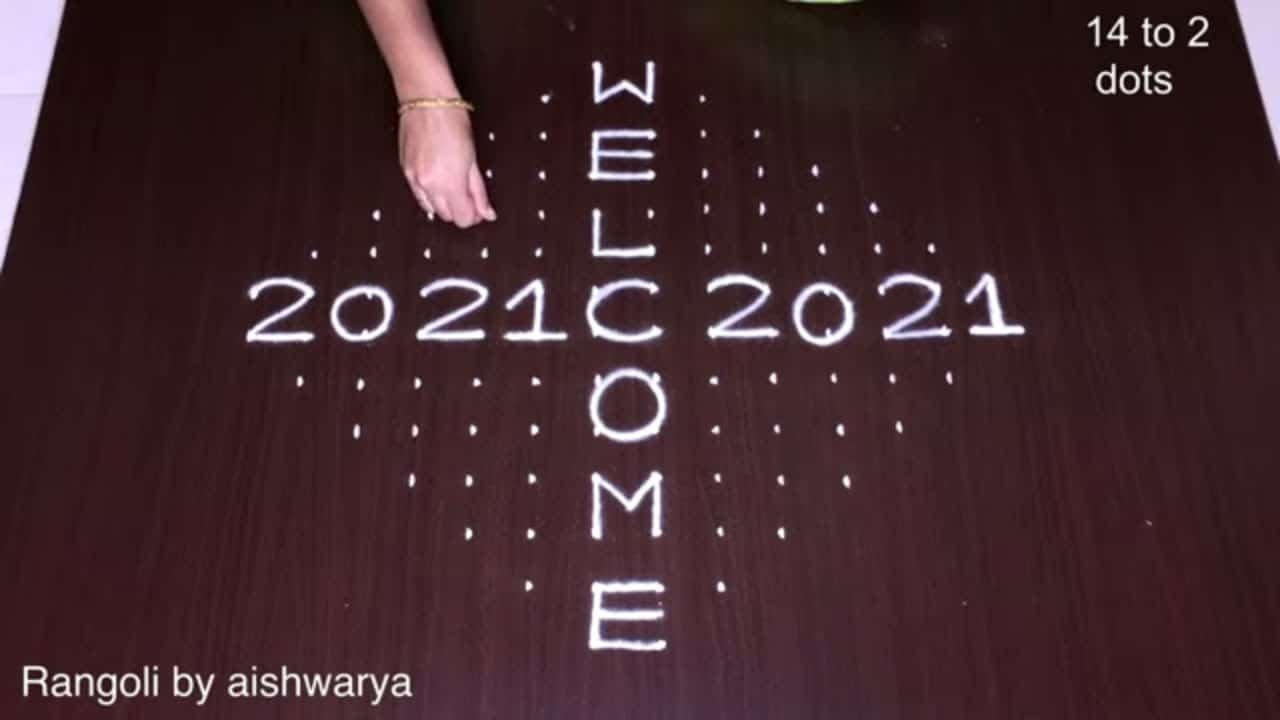
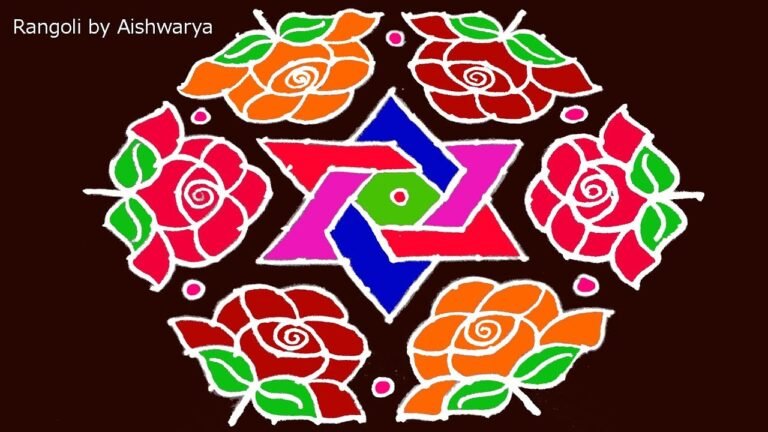
14-2 Dots Welcome 2021 Peacock Koalm | January First Muggulu Patterns Big New Year Rangoli. This tutorial will show you how to draw Beautiful Indian traditional art Diwali Rangoli patterns using materials such as dry rice flour, colored sand or flower petals Rangoli designs by Aishwarya. Simple rangoli Pulli Kolam pattern is created on the floor in living rooms or courtyards. Draw the Lines step by step as it is shown in this video and will be awesome Rangoli Design. 😲 The Diwali rangoli pattern here is one of the amazing latest kolam designs. Simple Rangoli Designs and easy rangoli designs by Aishwarya with dots for beginners and intermediate.
1. Diwali Rangoli 2. Pongal kolams 3. Pongal rangoli designs
4. Sankranthi designs 5. Easy rangoli for sankranthi 6. Pongal designs
7. Latest rangoli for sankranthi 8. Marzaghi kolams 9. Best kolangal
10. Easy rangoli designs 11. Rangoli Designs for Bhaubeej 12. Thipkyanchi Rangoli Designs
13. Simple Karthigai Kolam 14. Karthika Masam Chukkala Muggulu 15. Tulasi Kota Muggulu
Tip: Practice on paper first if you are new to dot kolam. The grid is the same; only the surface changes.
The 14-2 dots welcome peacock muggulu is a stunning design that beautifully blends traditional artistry with the vibrant spirit of festivals. This particular kolam is often created during various celebrations, including Diwali, where it serves as a warm invitation for guests. The intricate peacock motif, symbolizing grace and beauty, is a common theme in rangoli art. If you’re looking for more festive designs, check out the Diwali Festival Muggulu Rangoli for additional inspiration.
Creating this muggulu involves a step-by-step approach, making it accessible for beginners and experienced artists alike. The use of colorful powders or flower petals enhances its visual appeal, making it a delightful addition to any home. For those interested in exploring more kolam designs for special occasions, the Happy Pongal Kolam offers unique patterns that celebrate the harvest festival. To learn more about the cultural significance of this art form, you can read about it on Wikipedia.
About this design: 14-2 Dots Welcome Peacock is a beginner-friendly pattern that comes together in just a few minutes. Once you have practised the 14-2 dots welcome peacock dot grid, you can scale it up for festival mornings or scale it down for a daily doorstep. Many learners on our channel make this 14-2 dots welcome peacock their go-to design once they get the rhythm of the curves.
14-2 Dots Welcome Peacock — Step by Step Guide
Use the steps below as a reference card while the video plays. Most learners finish on the second attempt.
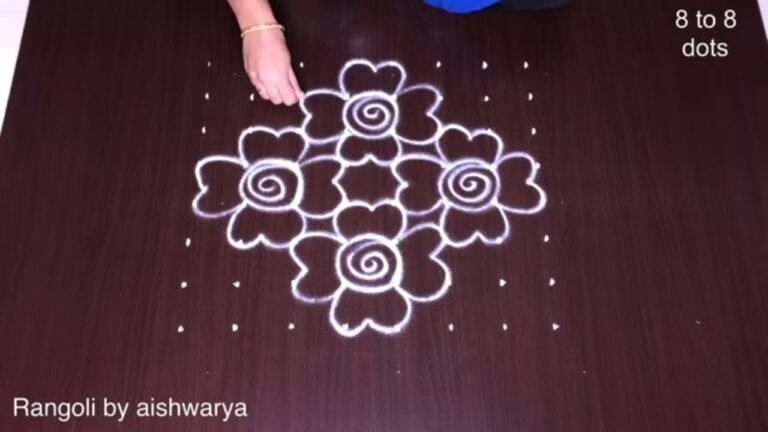
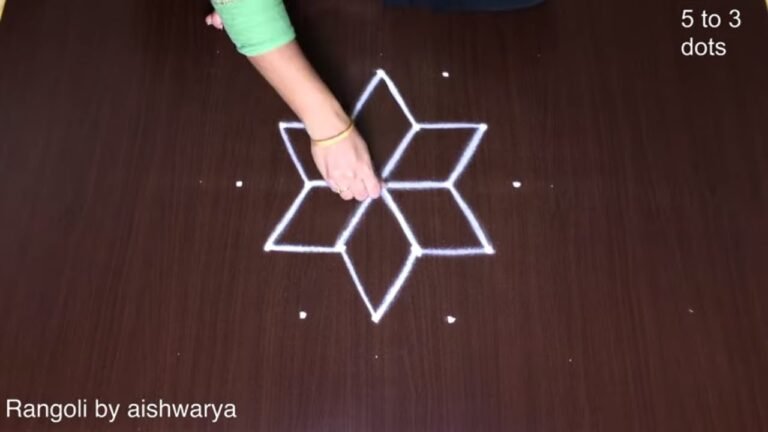
- Mark the 14 to 2 dot grid.
- In the centre lay out the greeting as a cross – HAPPY across the top, NEW and YEAR flanking a vertical 2021 – in outlined block letters.
- In each of the four corners draw a peacock facing the centre: start with the plump body, the curved neck and a small crested head with a beak.
- Give every peacock a long tail sweeping away from its body and ending in a spiral scroll.
- Add the details – an eye on each head, feather lines fanning across the tails, and a small bow/knot at the base of one tail.
- Trace all the birds and lettering in plain white powder.
What You Will Learn
- Rangoli
- Kolam
- Muggulu
- Rangoli For New Year
- New Year Rangoli Designs
- Happy New Year Rangoli
Frequently Asked Questions
How do I draw this rangoli?
Start by marking an even dot grid on a flat, clean surface. Once the grid is in place, connect the dots following the curves shown in the video. Even spacing between dots is the single biggest factor for a clean finish.
Is this suitable for beginners?
It is one of the more forgiving designs in our collection. Beginners often pick it as a confidence-builder before moving on to larger grids.
What materials do I need?
Rice flour, coloured rangoli powders, and a clean stretch of floor or paper. Some draw with chalk first to set the grid before powdering over it.
How long does it take?
About 9 min 16 sec on screen, perhaps 15 minutes for a relaxed first attempt. By the second try most people are noticeably quicker.
Once this design feels familiar, switch the colours or rotate the grid by a step. Small tweaks keep daily kolam practice interesting.
Leave a Reply