 5:33
5:33
Rangoli Art
64
designs
Explore a vibrant collection of intricate designs that showcase the beauty of traditional floor art. Perfect for festivals, celebrations, or daily decor, these tutorials cater to both beginners and experienced artists. Each video guides you through the process with step-by-step instructions, dot grids, and a list of materials needed for each creation. Browse through our selection, and feel inspired to recreate these stunning patterns in your own home. Read full guide ↓
5:33
 3:28
3:28
 2:26
2:26
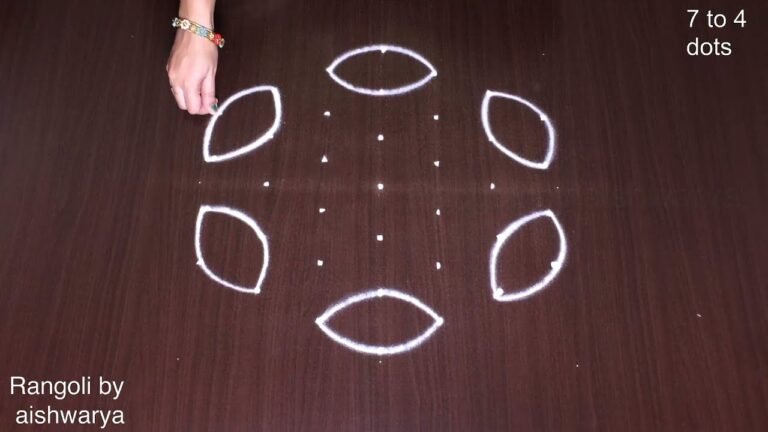 5:54
5:54
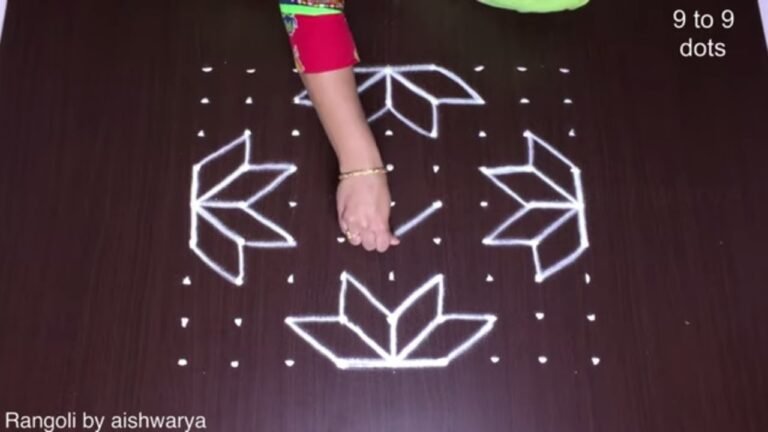 4:48
4:48
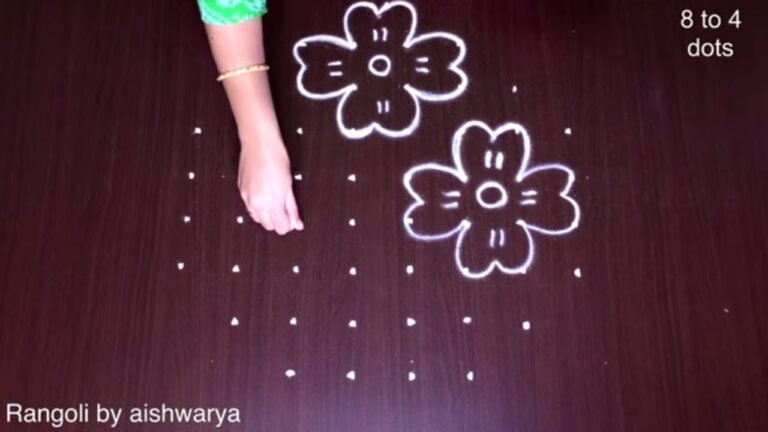 6:05
6:05
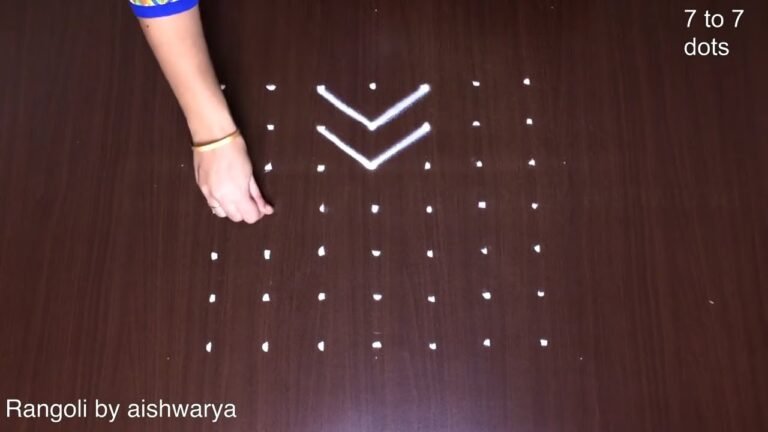 9:10
9:10
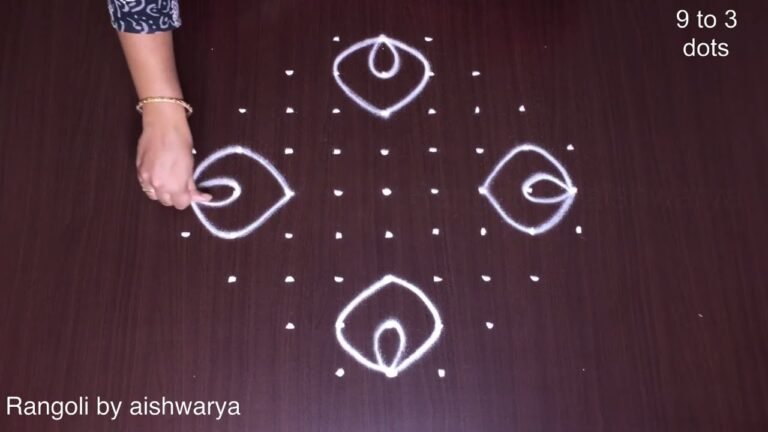 3:07
3:07
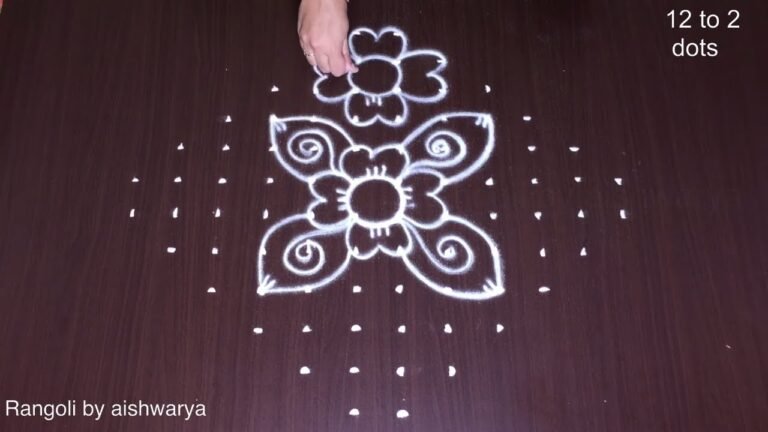 3:17
3:17
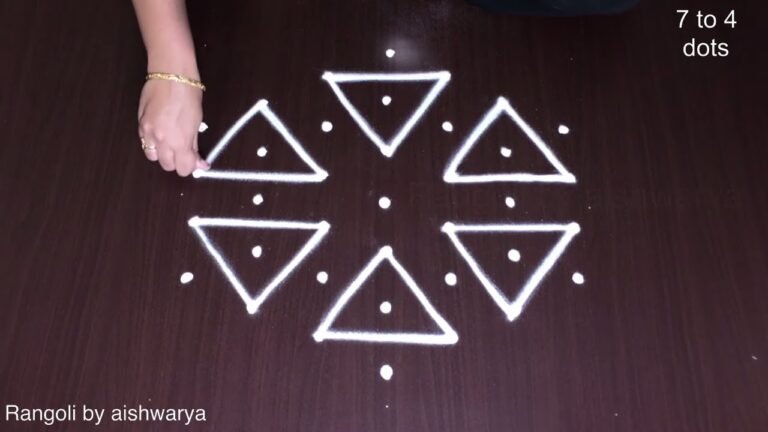 2:21
2:21
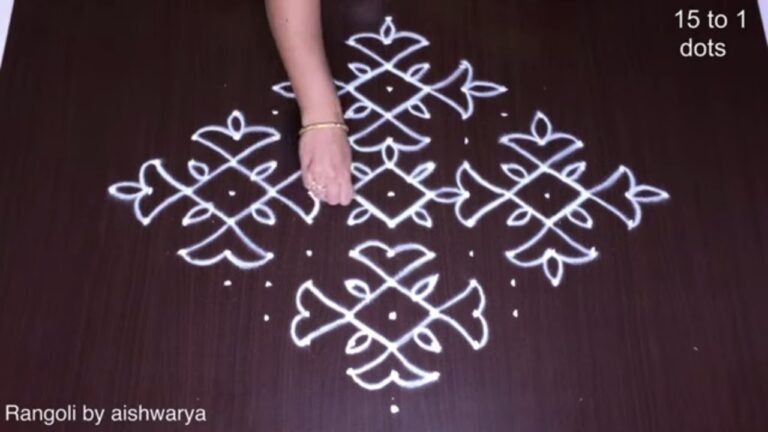 4:07
4:07
 3:32
3:32
 7:36
7:36
 2:42
2:42
 4:58
4:58
 9:01
9:01
 4:10
4:10
 3:38
3:38
 7:58
7:58
 2:45
2:45
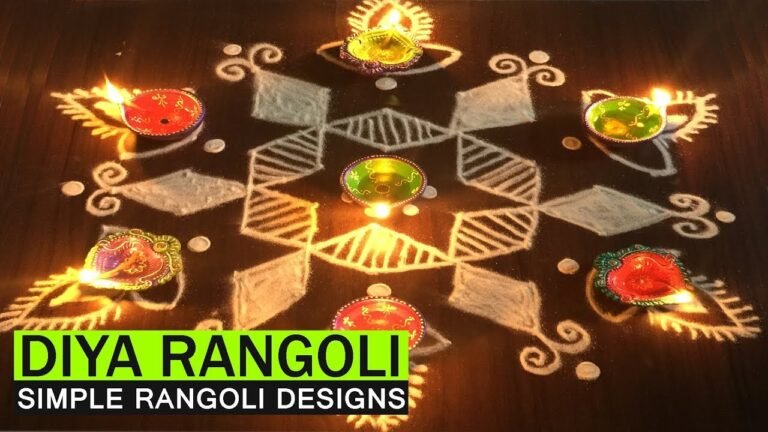 3:00
3:00
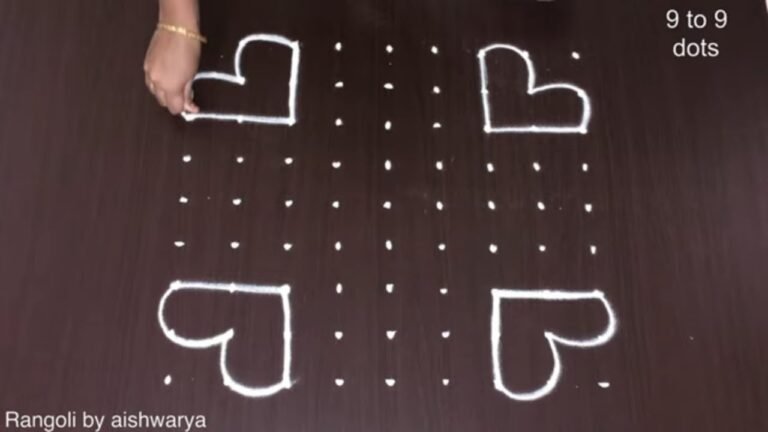 2:57
2:57
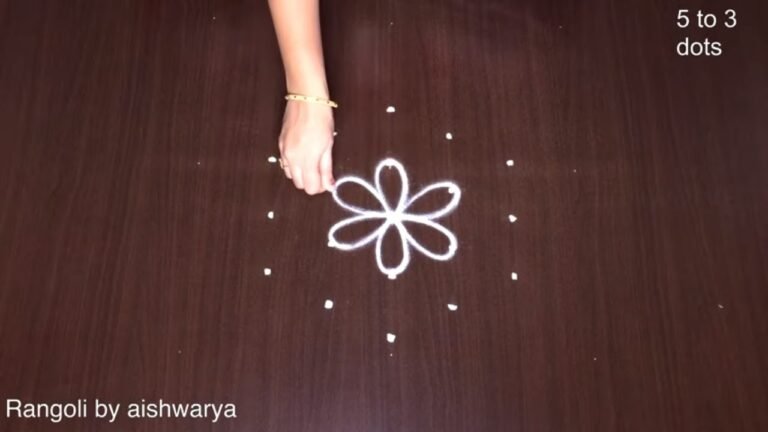 8:46
8:46
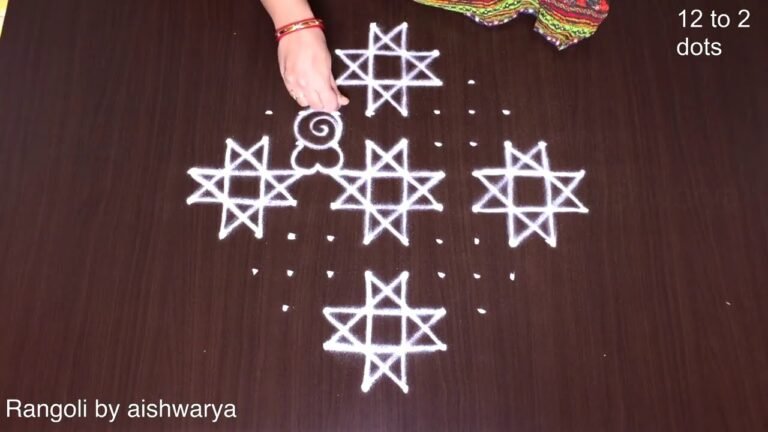 8:08
8:08
 3:52
3:52
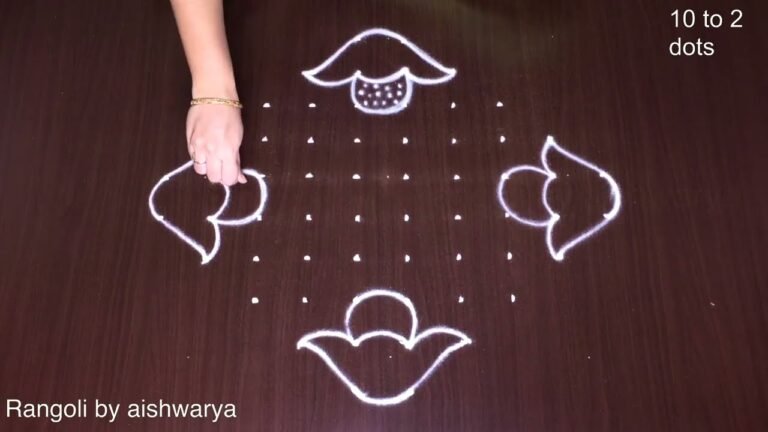 10:18
10:18
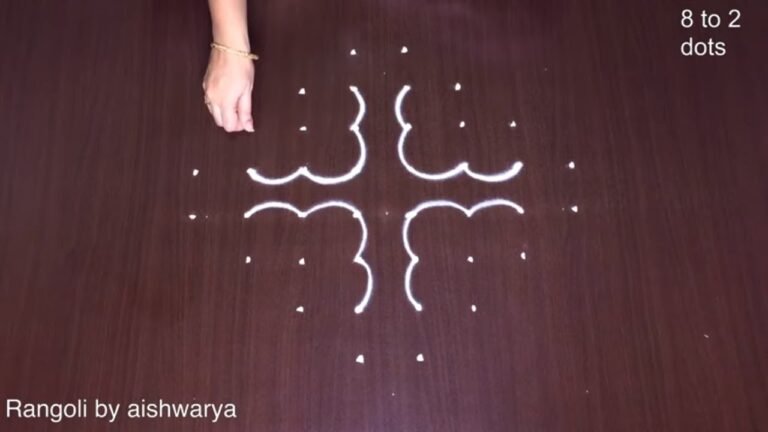 9:49
9:49
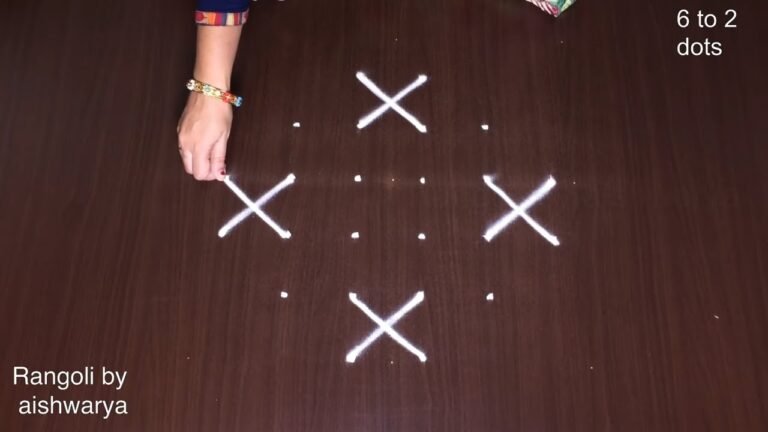 4:27
4:27
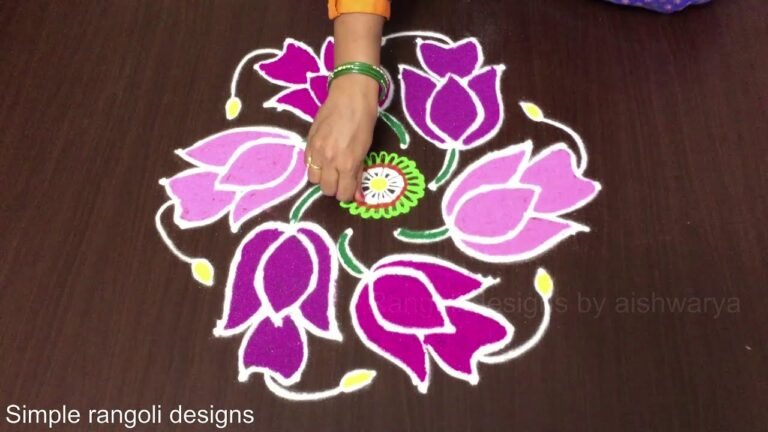 5:10
5:10
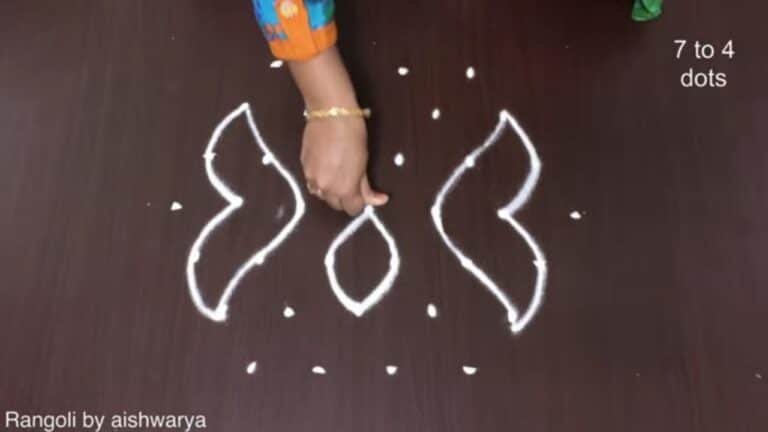 2:46
2:46
 3:49
3:49
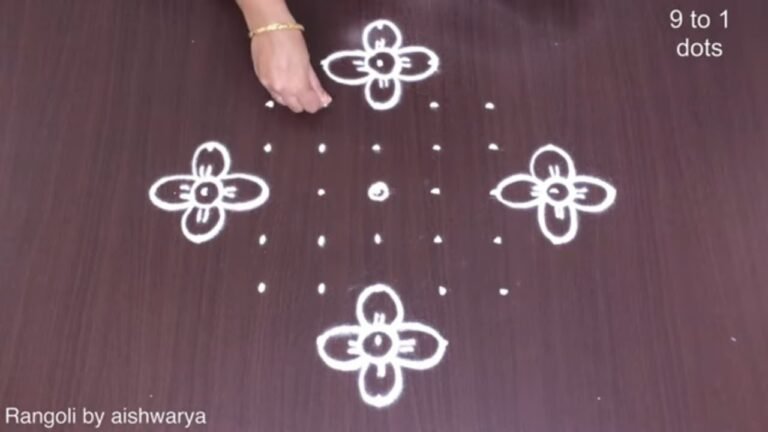 3:26
3:26
Rangoli art is a vibrant tradition that adds beauty to homes across India. With intricate patterns and colorful designs, it is a form of artistic expression.
About these designs
Our collection features a variety of Rangoli designs suitable for all skill levels. From best Rangoli patterns to simple ones, you will find inspiration for every occasion.
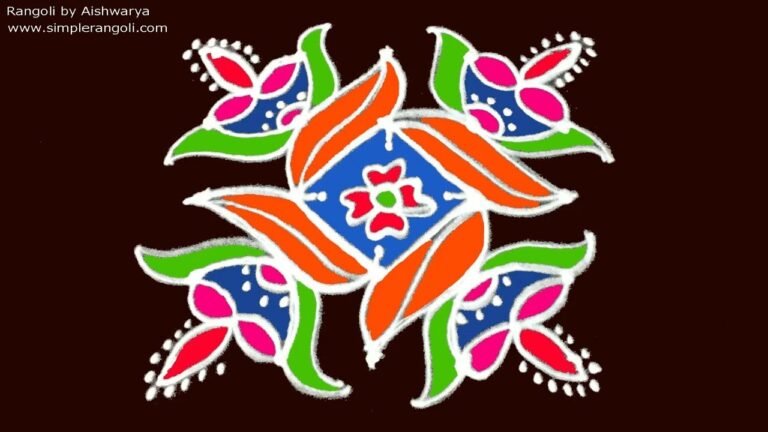
Each design is crafted to bring joy and festivity to your space. Whether you are looking for Lotus Rangoli or traditional muggulu, our tutorials will guide you through the process.
How to use this collection
Browse through our Rangoli art collection and select designs that resonate with your style. You can follow our video tutorials for step-by-step guidance, making it easy to replicate the designs.
Tips for getting the best result
- Use fresh and vibrant colors to make your Rangoli pop.
- Practice your designs on paper before drawing them on the floor.
- Consider the occasion and choose an appropriate pattern, like Sankranti Rangoli Designs.
- Keep your workspace clean and well-lit to enhance focus.
- Be patient and take your time to perfect the details.
When to draw these
Rangoli art can be drawn during festivals, celebrations, or even for daily decoration. Specific designs like Kolam for Pongal can be made for special occasions, adding a festive touch to your home.
Frequently asked questions
What materials do I need for Rangoli art?
To create Rangoli art, you typically need colored powders, rice flour, or flower petals. You can also use chalk or stencils for intricate designs. For beginners, starting with simple designs is advisable.
Can I use any colors for Rangoli?
Yes, you can use any colors you prefer. However, traditional Rangoli often features bright and vibrant shades. Experimenting with Rangoli Colors can help you create stunning designs.
How do I clean up after making Rangoli?
Cleaning up after creating Rangoli can be done by sweeping or vacuuming the area. If you used natural materials, they can often be composted. For more tips, check out our guide on Daily Rangoli maintenance.
Are there specific times when Rangoli is traditionally made?
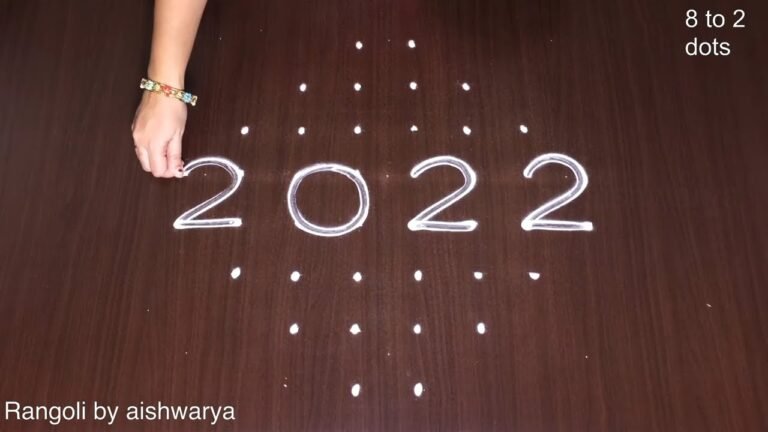
Rangoli is traditionally made during festivals and special occasions, such as Diwali, Pongal, and weddings. Creating January 1st Muggulu is also a popular practice to welcome the New Year.
What if I'm a beginner at Rangoli art?
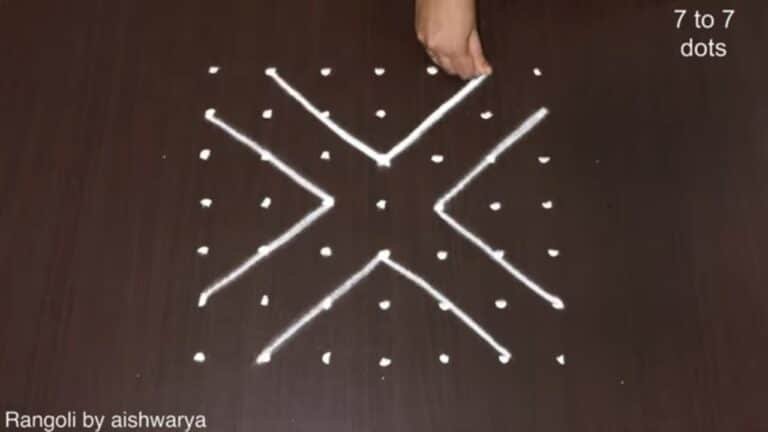
If you're a beginner, start with easier designs and gradually work your way up to more complex patterns. Resources like our Rangoli Kolam Easy section can provide you with great starting points.