Happy Diwali Pandaga Muggulu has become a favourite among learners on our channel — and once you try it, you will see why.
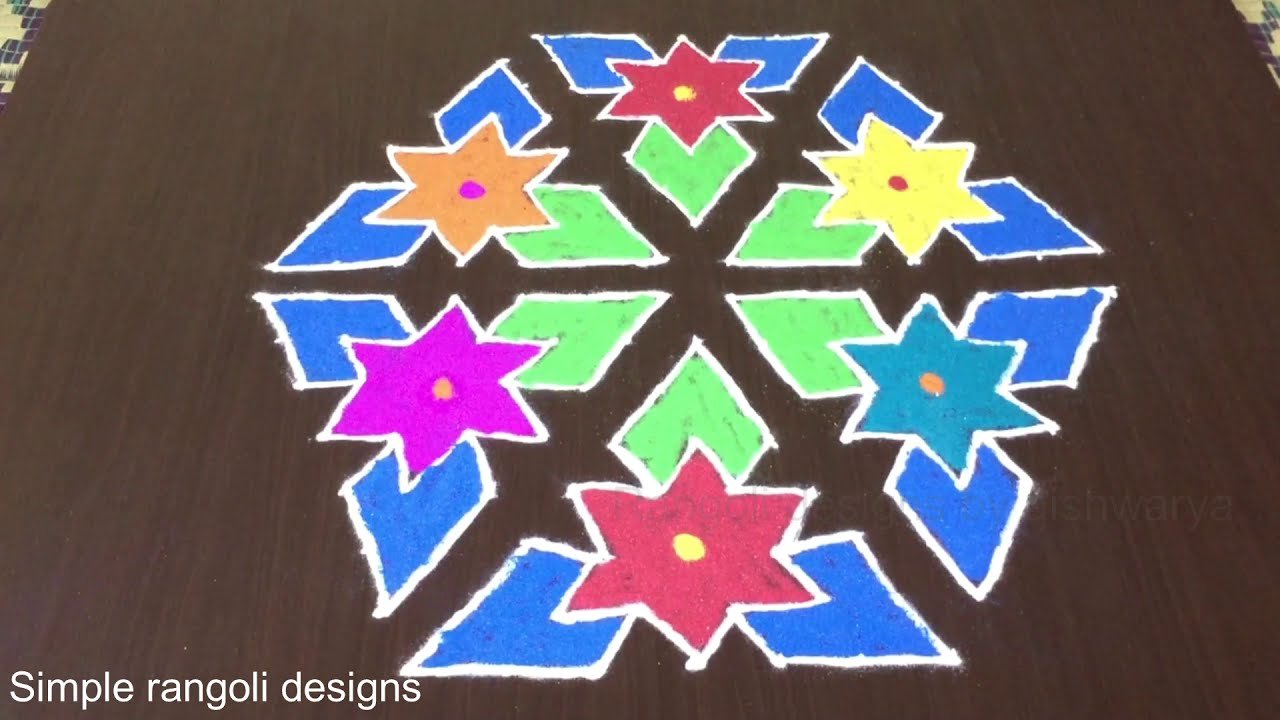
Looking for a grand 14-7 dots kolam to celebrate Diwali? This festive rangoli design creates a bold and joyful entrance for your celebration. In this video, we create a 14-7 dots Happy Diwali kolam, structured on a wide decreasing grid that allows smooth curves and symmetrical extensions to spread beautifully. The 14 to 7 format provides enough space for detailed festive patterns while maintaining clean alignment.
Proper placement of the 14-7 decreasing dot grid Forming symmetrical curves evenly across the layout Maintaining balance along the central axis
Clean finishing techniques for a polished festive look Diwali is a time of celebration, light, and positivity. Decorating your entrance with a structured kolam enhances the festive atmosphere and creates a welcoming space for guests and family. The 14-7 grid is ideal for spacious entrances and courtyards where you want a strong visual impact. Even though the layout is larger than beginner grids, the dot structure naturally guides spacing and proportion, making it manageable and organized.
Watch till the end to see the complete symmetrical reveal — the final alignment highlights how the 14-7 dot structure transforms into a beautiful Diwali kolam. If you enjoy large festive grids, explore other formats like 11-6 and 15-8 to expand your Diwali rangoli collection. Save this design and recreate it to brighten your Diwali celebration beautifully.
Tip: Keep your powder bowl close to your dominant hand. Small movements give cleaner curves.
The Happy Diwali Pandaga Muggulu is a captivating 14-7 dot design that perfectly embodies the spirit of the festival. This kolam is structured on a decreasing grid, allowing for graceful curves and symmetrical extensions, which create a visually striking effect. The spacious layout not only enhances the overall aesthetics but also ensures that the design remains organized and balanced, making it a suitable choice for beginners who want to make a grand statement. For those interested in exploring simpler designs, consider the 9 Dots Chukkala Muggulu for Festivals.
Creating this kolam is a delightful way to welcome guests and family during Diwali. The process involves careful placement of dots and maintaining symmetry along the central axis, which can be both rewarding and enjoyable. The festive patterns that emerge from this design add a touch of joy to any entrance. As you celebrate with your loved ones, you might also want to check out some Occasional Kolam Designs for inspiration throughout the year. To learn more about the cultural significance of rangoli, visit this link.
About this design: Happy Diwali Pandaga Muggulu is a beginner-friendly pattern that comes together in just a few minutes. Once you have practised the happy diwali pandaga muggulu dot grid, you can scale it up for festival mornings or scale it down for a daily doorstep. Many learners on our channel make this happy diwali pandaga muggulu their go-to design once they get the rhythm of the curves.
Happy Diwali Pandaga Muggulu — Step by Step Guide
Here is how to draw it, line by line. Take your time on the corners and the symmetry will take care of itself.
- Clear a flat surface and set down your dot grid using rice flour or chalk.
- Confirm the dot spacing is even — uneven dots are the biggest cause of wobbly curves.
- Begin tracing from the centre outward, following the curves shown in the video above.
- Fill the petals and sections with your chosen colours, working one area at a time.
- Finish the edges with a fine line for a sharp, photograph-ready result.
What You Will Learn
- 14-7 Dots Diwali Kolam
- Happy Diwali Rangoli 14-7
- Pandaga Muggulu 14-7 Dots
- 14-7 Dots Kolam Design
- Grand Festive Rangoli 14-7
- 14-7 Pulli Kolam
Frequently Asked Questions
How do I draw this rangoli?
Begin with the dot grid — this is the skeleton of the design. With rice flour or chalk, place each dot at equal intervals. Then trace the curves slowly, one section at a time.
Is this suitable for beginners?
Beginner-friendly is exactly the right description. The video walks through every line clearly and you can match the pace.
What materials do I need?
Just three things: powder (white plus any colours you want), a flat dry surface, and a few minutes of focus. A small bowl per colour helps keep things tidy.
How long does it take?
The video clocks in at 7 min 35 sec. Allow about quarter of an hour to draw the design at a comfortable pace.
Half the skill of kolam is learning to slow down. Put on some music, give yourself the time, and let the curves come naturally.
Leave a Reply