If you enjoy dot-grid muggulu, Bhogi Kundalu Pongal Muggulu is a satisfying pattern that comes together in just a few minutes.
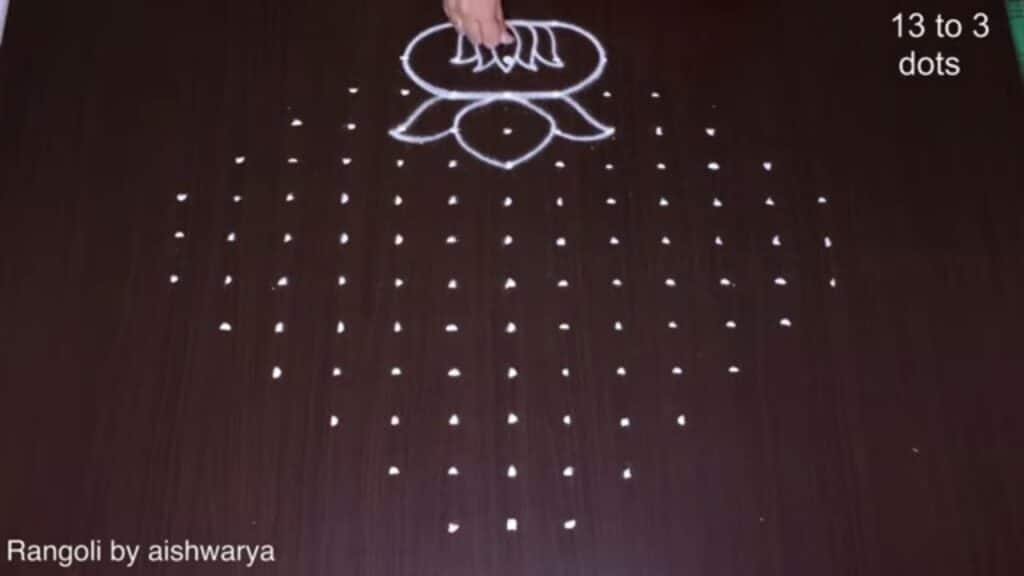
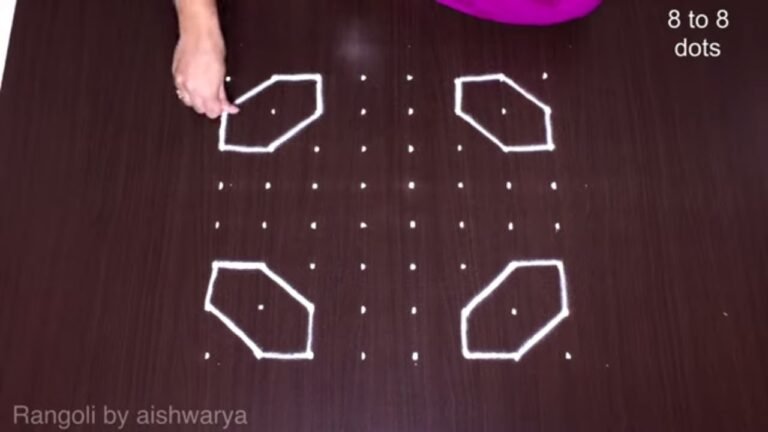
Trendy and traditional bhogi kundalu & pongal pot design | 13dots rangoli muggulu thamarai poo kolam. This tutorial will show you how to draw Beautiful Indian traditional art sankranthi muggulu patterns using materials such as dry rice flour, colored sand or flower petals Rangoli designs by Aishwarya. Simple rangoli designs with dots Kolam pattern is created on the floor in living rooms or courtyards. Draw the Lines step by step as it is shown in this video and will be awesome Rangoli Design. 😲 The rangoli design for diwali pattern here is one of the amazing latest simple kolam designs. Simple Rangoli Designs and easy rangoli designs by Aishwarya with dots for beginners and intermediate.
1. Diwali Rangoli 2. Pongal kolams 3. Easy rangoli designs
4. Rangoli design 5. Chukkala muggulu 6. Dot rangoli designs
7. Rangoli for diwali 8. Rangoli Simple 9. Easy rangoli designs
10. Kolam designs 11. Simple rangoli design 12. Muggulu designs
13. Muggulu designs with dots 14. Small rangoli designs 15. Muggulu chukkala muggulu
Tip: Practice on paper first if you are new to dot kolam. The grid is the same; only the surface changes.
The Bhogi Kundalu Pongal Muggulu features a delightful arrangement of 13 dots, making it an exquisite choice for the festive celebration of Pongal. This traditional design often incorporates elements such as the Pongal pot and colorful flowers, symbolizing abundance and gratitude. It’s a perfect way to honor the harvest season, and drawing it can be a joyful experience for both beginners and seasoned artists alike. If you’re looking to explore more festive designs, you might enjoy the Simple Pongal Pot Koalm.
This muggulu design not only beautifies your home but also carries cultural significance, serving as a warm welcome to guests. Using rice flour, colored sand, or flower petals adds a vibrant touch, enhancing its visual appeal. The Bhogi Kundalu Pongal Muggulu can be a great starting point if you are new to kolam art, as it encourages creativity and practice. For those interested in exploring other intricate patterns, the New Flower Rangoli Kolam offers another beautiful design option. For more information about the history and significance of Rangoli, you can visit this page.
Bhogi Kundalu Pongal Muggulu — Step by Step Guide
Use the steps below as a reference card while the video plays. Most learners finish on the second attempt.
- Clear a flat surface and set down your dot grid using rice flour or chalk.
- Confirm the dot spacing is even — uneven dots are the biggest cause of wobbly curves.
- Begin tracing from the centre outward, following the curves shown in the video above.
- Fill the petals and sections with your chosen colours, working one area at a time.
- Finish the edges with a fine line for a sharp, photograph-ready result.
What You Will Learn
- Sankranthi Muggulu
- Pongal Muggulu
- Bhogi Muggulu
- Makar Sankranthi Rangoli
- Simple Pongal Kolam
- Pongal Paanai Kolam
Frequently Asked Questions
How do I draw this rangoli?
The grid comes first. Use a soft chalk to dot the surface, count twice to confirm the spacing, then start connecting them following the video. Work from the centre outward.
Is this suitable for beginners?
Yes — this design is shaped specifically with newcomers in mind. The dot grid is small enough to manage, and the curves are gentle. Most learners get it right by the second try.
What materials do I need?
Powder (white for outlines, colours for filling), a flat surface, and a dot stencil if you want absolute precision. Beyond that, just your hand and a steady pace.
How long does it take?
Roughly 5 min 19 sec to watch end-to-end, and 10–20 minutes to draw yourself depending on grid size and how careful you are with the curves.
Practice this design a few times and you will find your own variations emerging. That is half the joy of kolam — every artist leaves a fingerprint on the pattern.


Leave a Reply