This kolam patterns with 12×2 tutorial walks you through every step from the dot grid to the final pattern.
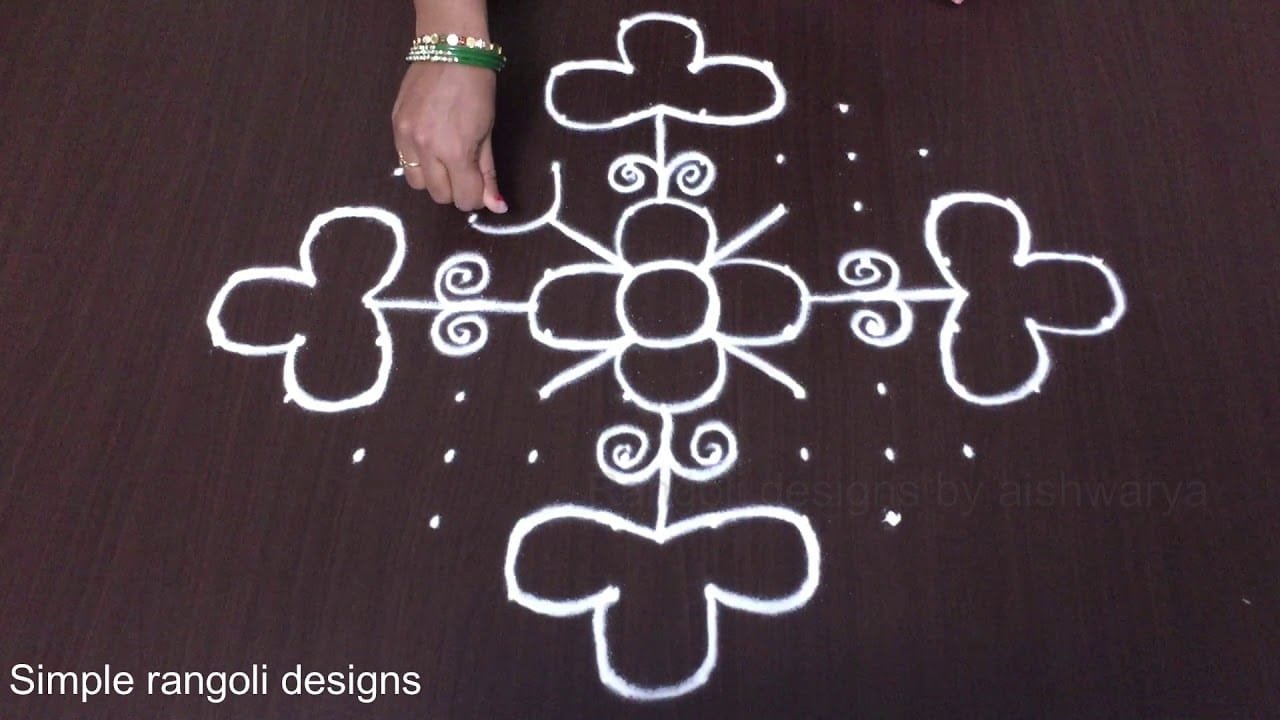
If you enjoy dot-grid muggulu, Simple Kolam Patterns With is a satisfying pattern that comes together in just a few minutes.
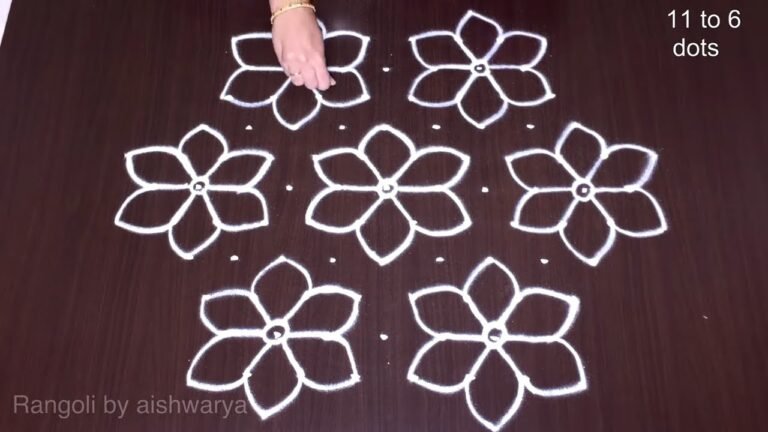
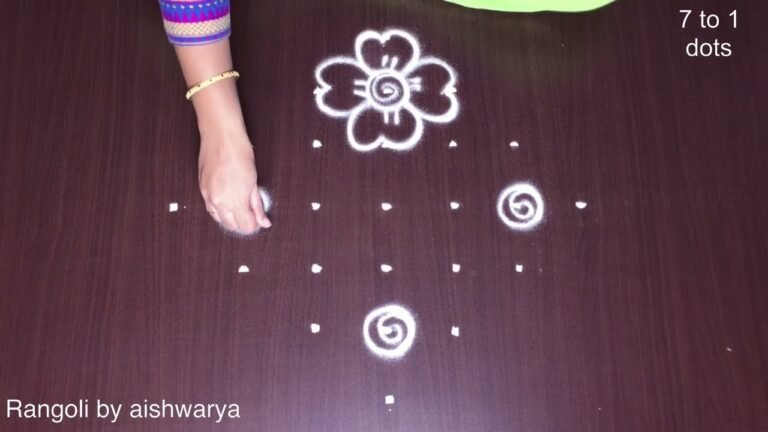
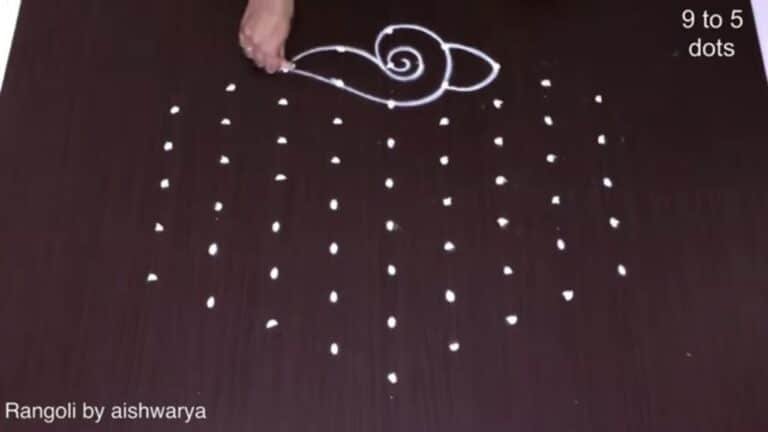
Looking for a neat and simple straight dots kolam? This 12 by 2 dots Puvvu rangoli is easy, elegant, and perfect for small spaces. In this video, I guide you step by step to draw a 12×2 straight dot grid kolam that is compact yet beautifully structured. The rectangular layout makes it quick to complete, while the floral curves give the design a soft and traditional appearance.
We begin by placing a clean 12 by 2 straight dot structure, ensuring equal spacing for proper alignment. Then, the outer flower framework is formed by smoothly connecting the dots into symmetrical petal shapes. Even though the grid is narrow, the final kolam looks complete and balanced. How to construct a proper 12–2 straight dot grid How to maintain symmetry in narrow rectangular kolams
How to create simple flower patterns using dots Tips to keep Puvvu muggulu neat and proportionate This design is ideal for entrances, verandas, and compact decorative areas. The structured straight dots format makes it beginner-friendly while still looking elegant and traditional.
Watch till the end to see the full transformation from simple dots to a complete Puvvu kolam — the final reveal highlights a beautifully balanced and easy design. If you enjoy structured straight dot kolams, explore more 12 by 2 dots rangoli, easy muggulu patterns, and traditional floral designs on the channel.
Tip: Practice on paper first if you are new to dot kolam. The grid is the same; only the surface changes.
This 12 by 2 dots kolam, known as Puvvu rangoli, showcases a simple yet elegant design that is perfect for beginners. The layout allows for a compact arrangement, making it an excellent choice for entrances or smaller decorative spaces. The floral curves created from the straight dot grid give the kolam a traditional touch, blending beautifully with various home aesthetics. For more inspiration, you might enjoy exploring Daily Kolams Latest Rangoli Designs and their unique styles.
Creating this kolam involves placing the dots in a precise 12×2 format, which helps maintain symmetry throughout the design. By connecting the dots with smooth, graceful lines, one can form lovely petal shapes that complete the overall look. This style not only looks stunning but also serves as a great introduction to the art of kolam. To learn more about related techniques, check out Sankranthi Special Bhogi Kundala Muggulu. For a broader understanding of rangoli, you can visit this Wikipedia page.
About this design: Kolam Patterns With 12X2 is a beginner-friendly pattern that comes together in just a few minutes. Once you have practised the kolam patterns with 12×2 dot grid, you can scale it up for festival mornings or scale it down for a daily doorstep. Many learners on our channel make this kolam patterns with 12×2 their go-to design once they get the rhythm of the curves.
Kolam Patterns With 12X2 — Step by Step Guide
Pace yourself through the steps — kolam rewards patience more than speed.
- Clear a flat surface and set down your dot grid using rice flour or chalk.
- Confirm the dot spacing is even — uneven dots are the biggest cause of wobbly curves.
- Begin tracing from the centre outward, following the curves shown in the video above.
- Fill the petals and sections with your chosen colours, working one area at a time.
- Finish the edges with a fine line for a sharp, photograph-ready result.
What You Will Learn
- 12 By 2 Straight Dots Kolam
- Simple 12X2 Puvvu Rangoli
- 12 2 Chukkala Muggulu
- Straight Dot Grid Flower Kolam
- Easy 12 By 2 Rangoli Design
- Narrow Rectangular Kolam With Dots
Frequently Asked Questions
How do I draw this rangoli?
Begin with the dot grid — this is the skeleton of the design. With rice flour or chalk, place each dot at equal intervals. Then trace the curves slowly, one section at a time.
Is this suitable for beginners?
Beginner-friendly is exactly the right description. The video walks through every line clearly and you can match the pace.
What materials do I need?
White rice flour for the outline, coloured powders for the fill, and a clean dry floor. That is the essentials list — you can add a stencil if you prefer.
How long does it take?
The tutorial is 2 min 15 sec long. With practice the actual drawing settles around 10 minutes; the first time will likely take twice that.
Practice this design a few times and you will find your own variations emerging. That is half the joy of kolam — every artist leaves a fingerprint on the pattern.

Leave a Reply