Add a touch of charm to your doorway with Traditional Ratham Muggulu — clean lines, balanced symmetry, and easy to scale.
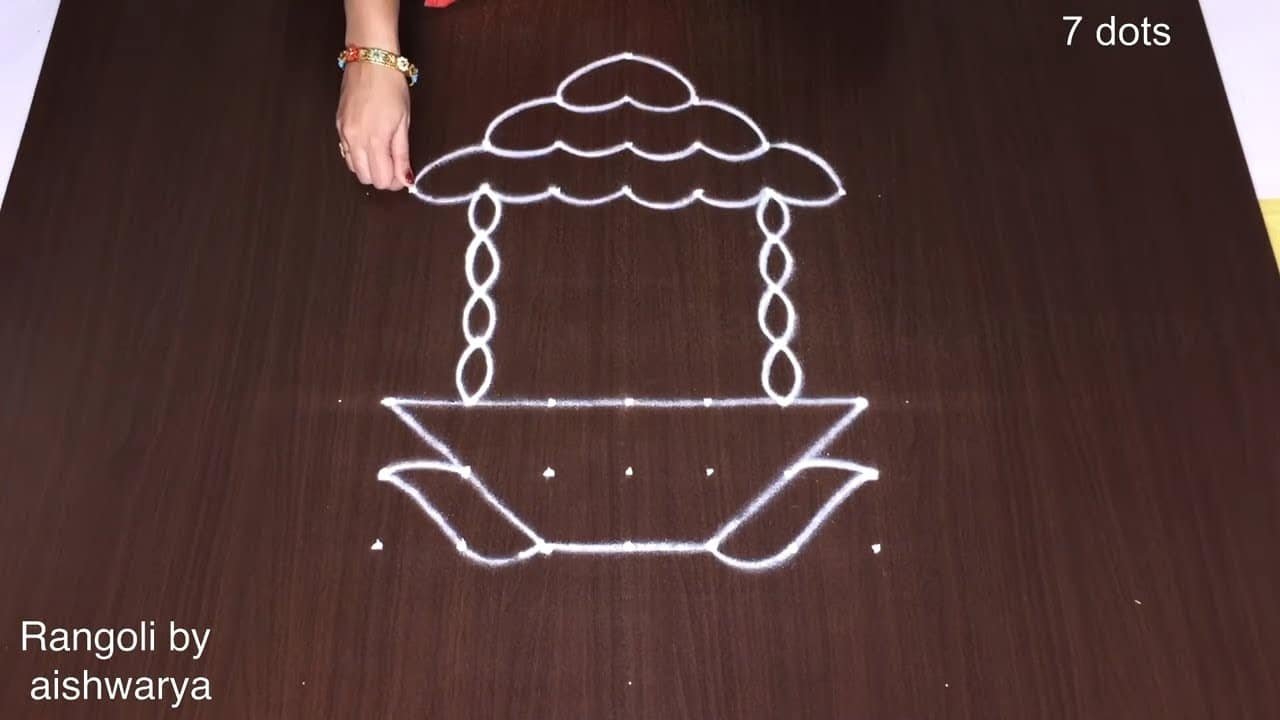
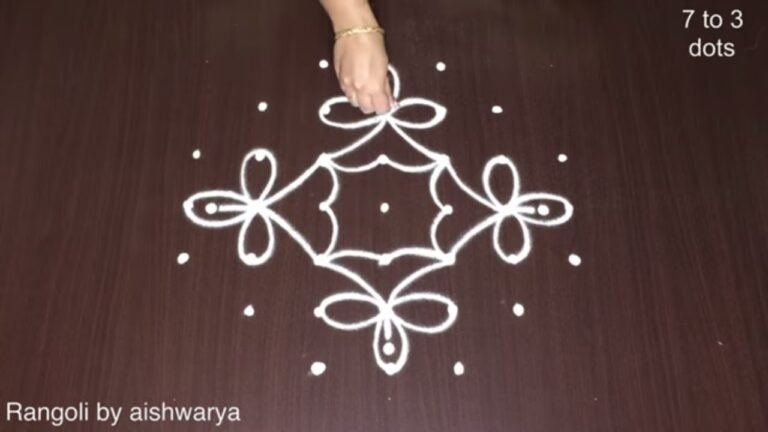
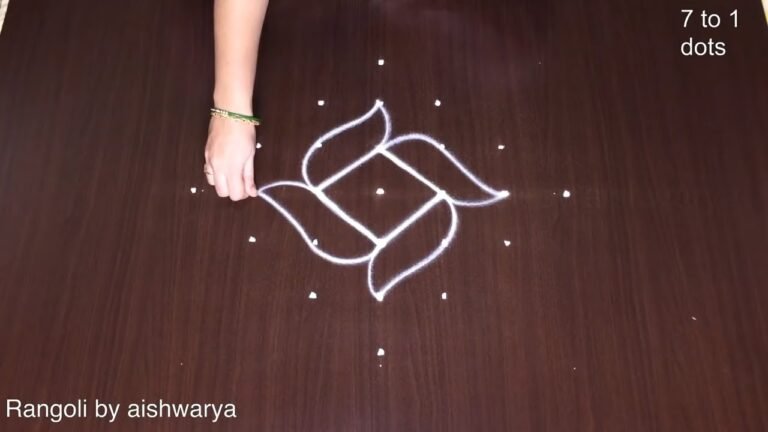
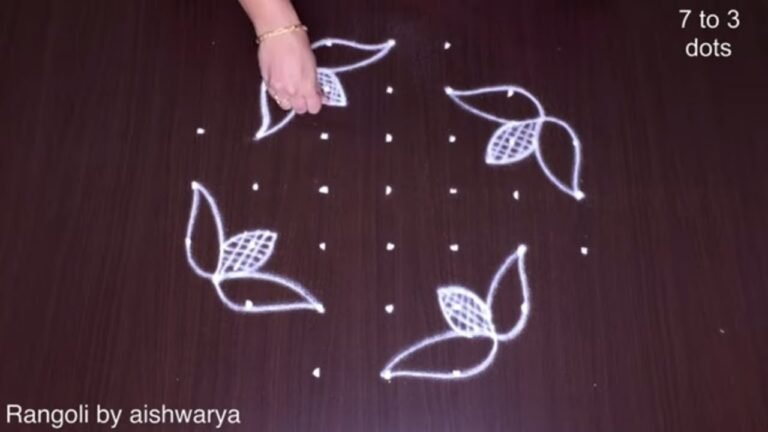
Best Alpona with 7 dots | Traditional Ratham Muggulu | Small ratham rangoli designs. This tutorial will show you how to draw Beautiful Indian traditional art Diwali Rangoli patterns using materials such as dry rice flour, colored sand or flower petals Rangoli designs by Aishwarya. Simple rangoli Kutti Kolam pattern is created on the floor in living rooms or courtyards. Draw the Lines step by step as it is shown in this video and will be awesome Rangoli Design. 😲 The Diwali rangoli pattern here is one of the amazing latest flower kolangal designs. Simple Rangoli Designs and easy rangoli designs by Aishwarya with dots for beginners and intermediate.
1. Diwali Rangoli 2. Pongal kolams 3. Pongal rangoli designs
4. Sankranthi designs 5. Easy rangoli for sankranthi 6. Pongal designs
7. Latest rangoli for sankranthi 8. Marzaghi kolams 9. Best kolangal
10. Easy rangoli designs 11. Rangoli Designs for Bhaubeej 12. Thipkyanchi Rangoli Designs
13. Simple Karthigai Kolam 14. Karthika Masam Chukkala Muggulu 15. Tulasi Kota Muggulu
Tip: Practice on paper first if you are new to dot kolam. The grid is the same; only the surface changes.
The traditional ratham muggulu, characterized by its intricate design created with a 7-dot framework, beautifully reflects the essence of Indian art. This style is particularly popular during festivals like Diwali, where colorful patterns adorn homes, welcoming prosperity and joy. The tutorial provided showcases how to draw this lovely muggulu step by step, making it accessible for beginners eager to embrace this cultural craft. For more inspiration, check out the Easy Five Stars Rangoli and explore various designs that celebrate this festive spirit.
Using materials such as rice flour and flower petals, the traditional ratham muggulu not only enhances the aesthetic of living spaces but also connects families to their cultural roots. The design’s flowing lines and floral motifs evoke a sense of harmony, making it a perfect choice for occasions like Pongal or Sankranthi. If you’re interested in creating more beautiful patterns, the 8×2 Beautiful Small Festival Muggulu post offers additional ideas to enrich your rangoli repertoire. For a broader understanding of this art form, visit this Wikipedia entry.
Traditional Ratham Muggulu — Step by Step Guide
If you have drawn dot rangoli before, this will feel familiar. If you have not, the dot grid will guide you.
- Clear a flat surface and set down your dot grid using rice flour or chalk.
- Confirm the dot spacing is even — uneven dots are the biggest cause of wobbly curves.
- Begin tracing from the centre outward, following the curves shown in the video above.
- Fill the petals and sections with your chosen colours, working one area at a time.
- Finish the edges with a fine line for a sharp, photograph-ready result.
What You Will Learn
- Simple Rangoli Designs
- Rangoli
- Muggulu
- Rangoli Designs
- Rangoli Kolam
- Kolam
Frequently Asked Questions
How do I draw this rangoli?
Start by marking an even dot grid on a flat, clean surface. Once the grid is in place, connect the dots following the curves shown in the video. Even spacing between dots is the single biggest factor for a clean finish.
Is this suitable for beginners?
Beginner-friendly is exactly the right description. The video walks through every line clearly and you can match the pace.
What materials do I need?
Powder (white for outlines, colours for filling), a flat surface, and a dot stencil if you want absolute precision. Beyond that, just your hand and a steady pace.
How long does it take?
A 4 min 38 sec video shows the complete sequence. On paper or floor, expect to spend around a quarter of an hour from grid to finished pattern.
Half the skill of kolam is learning to slow down. Put on some music, give yourself the time, and let the curves come naturally.
Leave a Reply