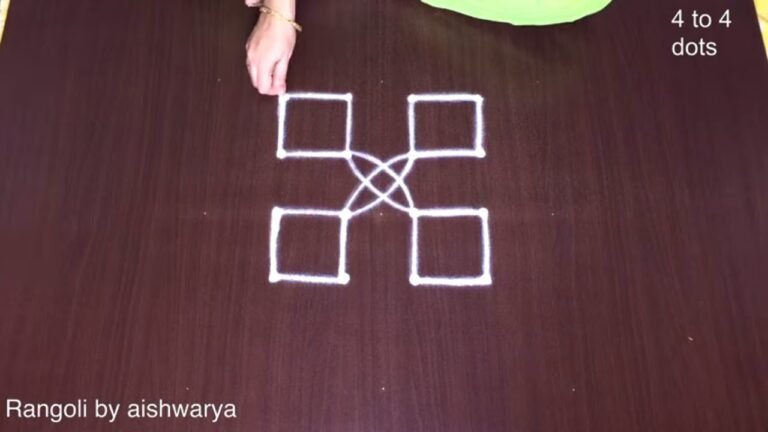
5 To 3 Interlaced is the kind of design that looks intricate but is genuinely beginner-friendly once you follow the dot grid.
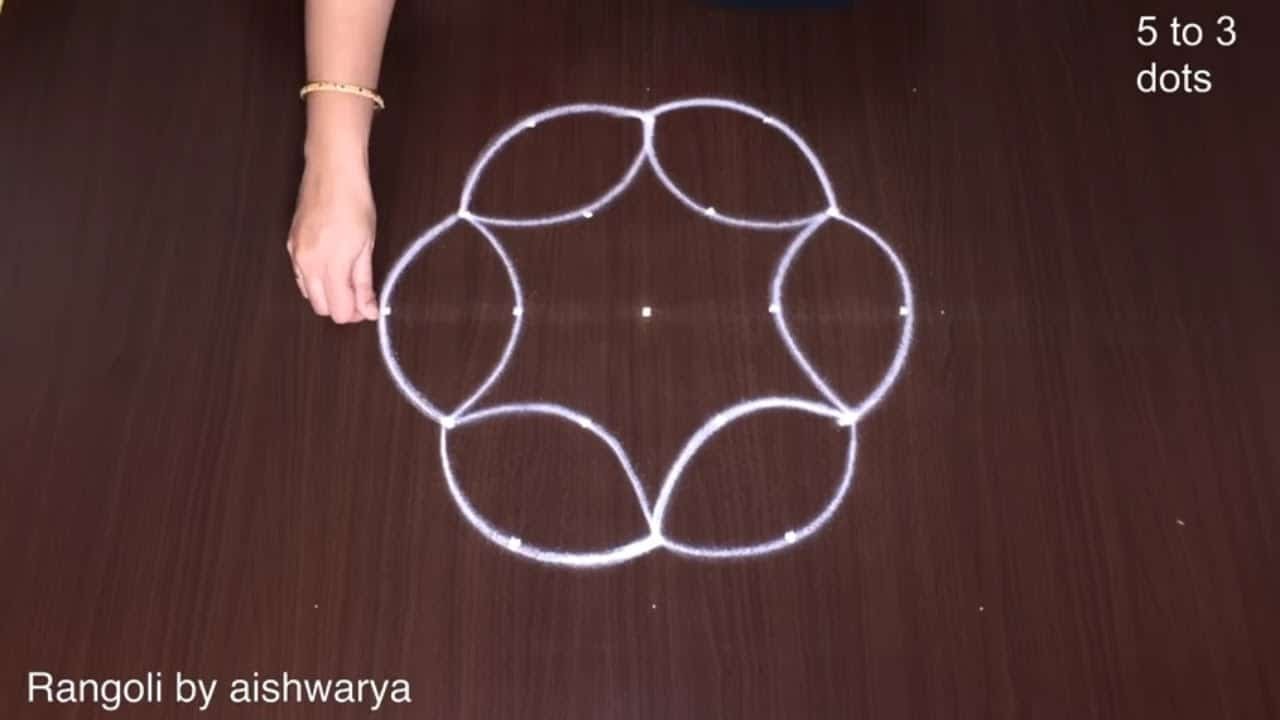
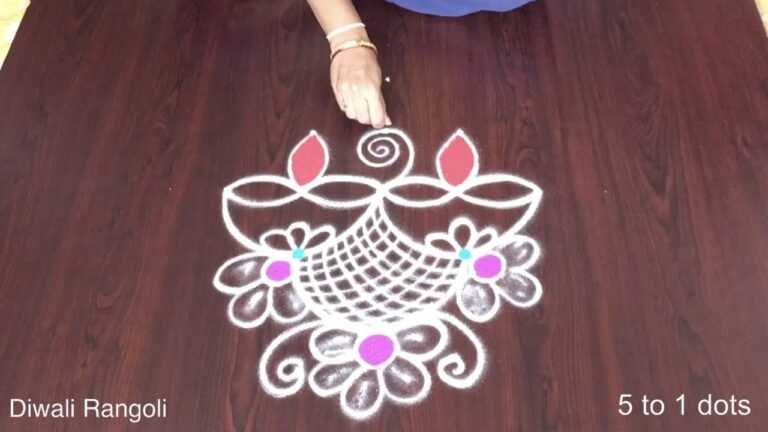
5 to 3 Interlaced Dots Daily Purpose Rangoli Designs | Chinna Muggulu Telugu Kolam. This tutorial will show you how to draw Beautiful Indian traditional art Diwali Rangoli patterns using materials such as dry rice flour, colored sand or flower petals Rangoli designs by Aishwarya. Simple rangoli Kutti Kolam pattern is created on the floor in living rooms or courtyards. Draw the Lines step by step as it is shown in this video and will be awesome Rangoli Design. 😲 The Diwali rangoli pattern here is one of the amazing latest flower kolangal designs. Simple Rangoli Designs and easy rangoli designs by Aishwarya with dots for beginners and intermediate.
1. Diwali Rangoli 2. Pongal kolams 3. Pongal rangoli designs
4. Sankranthi designs 5. Easy rangoli for sankranthi 6. Pongal designs
7. Latest rangoli for sankranthi 8. Marzaghi kolams 9. Best kolangal
10. Easy rangoli designs 11. Rangoli Designs for Bhaubeej 12. Thipkyanchi Rangoli Designs
13. Simple Karthigai Kolam 14. Karthika Masam Chukkala Muggulu 15. Tulasi Kota Muggulu
Tip: A slightly damp brush along the edges gives a sharper finish, especially for festival photographs.
This design belongs to the broader tradition of rangoli and kolam art practised across South India. Explore more in our 5 to 3 dots Rangoli Designs collection.
The 5 to 3 interlaced dots kolam is a delightful design that combines simplicity with elegance, making it perfect for festivals like Diwali and Pongal. This kolam features five dots in one row and three dots in the adjacent row, creating a charming interplay between the two sets. You can use traditional materials such as rice flour or colored sand to enhance the beauty of this design, which can also be an excellent starting point for beginners interested in learning more about kolam art. For inspiration, you might want to check out 8-8 Dots Simple Rangoli Designs.
This design not only serves as a beautiful decoration but also symbolizes the welcoming of prosperity and happiness into your home. The interlaced pattern allows for plenty of creativity, as you can add floral motifs or geometric shapes around the basic structure. It’s a versatile design that can be modified for various occasions, and with practice, you can develop your own unique touch. For those looking to explore other styles, you may find it helpful to learn how to Draw Beautiful Deepam Deepala Simple Kolam as well. To know more about the significance of rangoli, you can visit this page.
5 To 3 Interlaced — Step by Step Guide
Here is how to draw it, line by line. Take your time on the corners and the symmetry will take care of itself.
- Clear a flat surface and set down your dot grid using rice flour or chalk.
- Confirm the dot spacing is even — uneven dots are the biggest cause of wobbly curves.
- Begin tracing from the centre outward, following the curves shown in the video above.
- Fill the petals and sections with your chosen colours, working one area at a time.
- Finish the edges with a fine line for a sharp, photograph-ready result.
What You Will Learn
- Simple Rangoli Designs
- Rangoli
- Muggulu
- Rangoli Designs
- Rangoli Kolam
- Kolam
Frequently Asked Questions
How do I draw this rangoli?
It looks complex but follows a simple rhythm: dots first, then loops. Mark the grid, take a breath, and trace the curves at a steady pace. The pattern emerges on its own.
Is this suitable for beginners?
Yes, and it is one we recommend to first-timers. The small grid keeps the design manageable while still teaching the core technique.
What materials do I need?
You will need rice flour or rangoli powder (white, plus your choice of colours), a flat surface like a clean floor or courtyard, and optionally a dot stencil if you are new to grid-drawing.
How long does it take?
The video clocks in at 7 min 36 sec. Allow about quarter of an hour to draw the design at a comfortable pace.
When you draw this, focus on the first three dots — get those right and the whole pattern follows. The rest is just patience and a steady hand.

Leave a Reply