Whether you are decorating for a festival or your daily morning ritual, Diwali Beautiful Rangoli is an excellent design to keep handy.
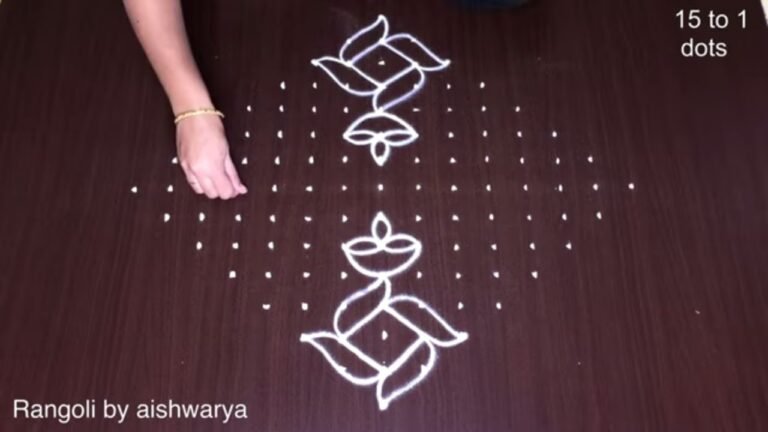
This tutorial will show you how to draw Deepawali Kolam Diwali Beautiful Rangoli patterns using materials such as dry rice flour, colored sand or flower petals Rangoli designs by Aishwarya. Simple rangoli designs with dots Kolam pattern is created on the floor in living rooms or courtyards. Draw the Lines step by step as it is shown in this video and will be awesome rangoli de. Chapters: 0:00 Intro
0:05 Deepawali Kolam 3:02 Diwali Beautiful Rangoli 5:20 Dots Muggulu
😲 The artistic rangoli design for Diwali pattern here is one of the amazing latest simple kolam designs. Simple Rangoli Designs Aishwarya and easy rangoli designs by Aishwarya with dots for beginners and intermediate. 1. Deepawali Kolam
2. Rangoli Sand Art 3. Muggulu 4. Rangoli
5. Kolam 6. Diwali Rangoli 7. Rangoli Kolam
8. Rangoli Designs for Diwali 9. Sankranthi Muggulu 10. Rangoli Art
Tip: Work from the centre outward. It keeps the symmetry honest and prevents the design from drifting off-balance.
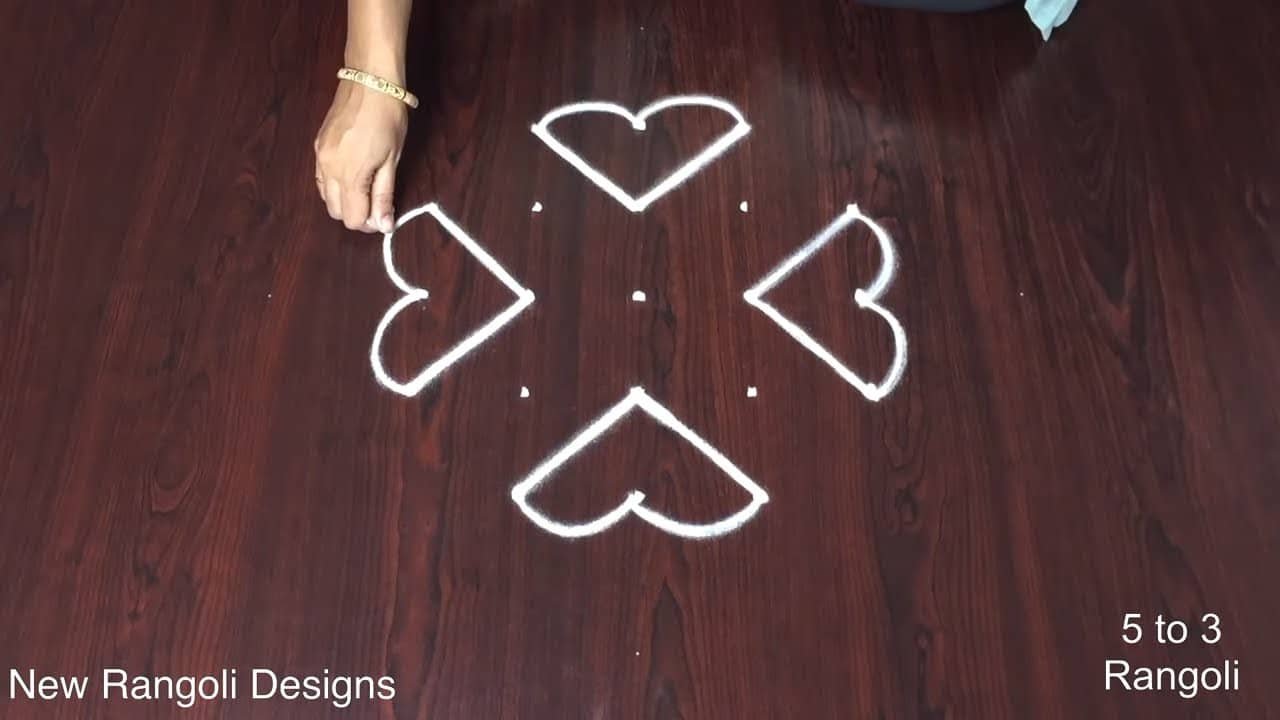
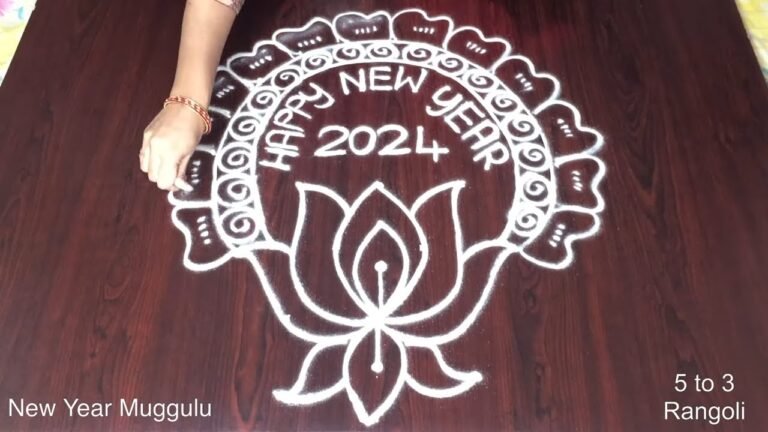
This design belongs to the broader tradition of rangoli and kolam art practised across South India. Explore more in our 5 to 3 dots Rangoli Designs collection.
Diwali, a festival of lights and joy, is the perfect occasion to create a beautiful rangoli that welcomes guests and spreads festive cheer. This particular design features a simple yet elegant pattern of dots, making it accessible for beginners. Using materials like dry rice flour or colored sand, you can easily replicate this design in your home. The process not only beautifies your space but also embodies the spirit of togetherness celebrated during this auspicious festival.
The Diwali beautiful rangoli design typically involves 5 to 3 dots, allowing for creativity while keeping the intricacy manageable. As you draw the lines step by step, you’ll find that this engaging activity can be a calming and enjoyable way to express your artistic flair. Rangoli, as an art form, has a rich cultural significance in India, symbolizing prosperity and positivity. For more insights into this traditional practice, you can explore its history on Wikipedia.
Diwali Beautiful Rangoli — Step by Step Guide
The video above shows the full sequence; the steps below summarise each stage so you can glance back as you draw.
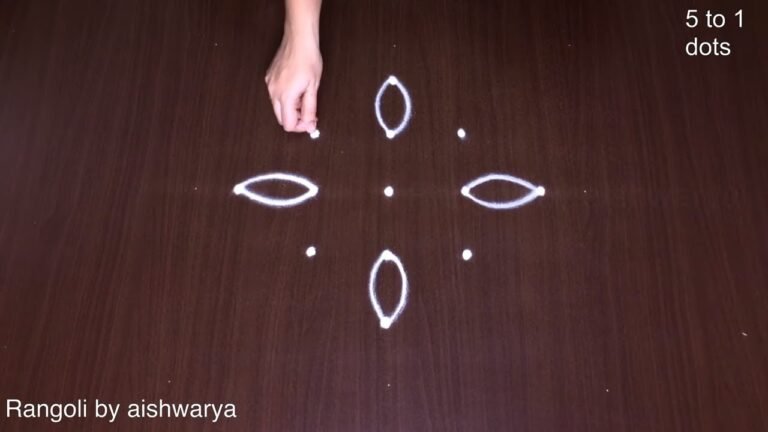
- Clear a flat surface and set down your dot grid using rice flour or chalk.
- Confirm the dot spacing is even — uneven dots are the biggest cause of wobbly curves.
- Begin tracing from the centre outward, following the curves shown in the video above.
- Fill the petals and sections with your chosen colours, working one area at a time.
- Finish the edges with a fine line for a sharp, photograph-ready result.
What You Will Learn
- Simple Rangoli Designs
- Rangoli
- Muggulu
- Rangoli Designs
- Rangoli Kolam
- Kolam
Frequently Asked Questions
How do I draw this rangoli?
Begin with the dot grid — this is the skeleton of the design. With rice flour or chalk, place each dot at equal intervals. Then trace the curves slowly, one section at a time.
Is this suitable for beginners?
Absolutely. You can pause and rewind the video at every step. The pattern is straightforward once you have the grid down.
What materials do I need?
Just three things: powder (white plus any colours you want), a flat dry surface, and a few minutes of focus. A small bowl per colour helps keep things tidy.
How long does it take?
A 8 min 37 sec video shows the complete sequence. On paper or floor, expect to spend around a quarter of an hour from grid to finished pattern.
If you enjoyed this design, browse our other dot-pattern tutorials — they share the same approach and build naturally on the techniques here.
Leave a Reply