Whether you are decorating for a festival or your daily morning ritual, How To Draw Muggulu 2 is an excellent design to keep handy.
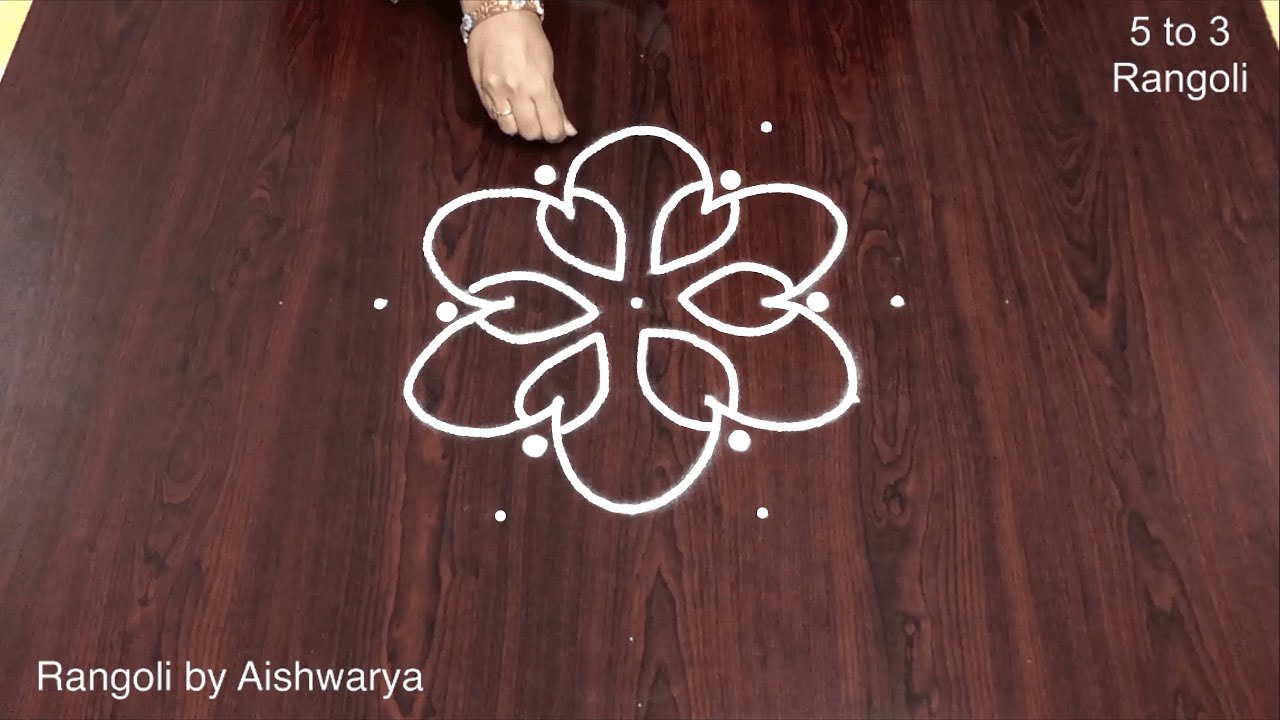
For another beginner-friendly variation, try Kolam Pongal Flower.
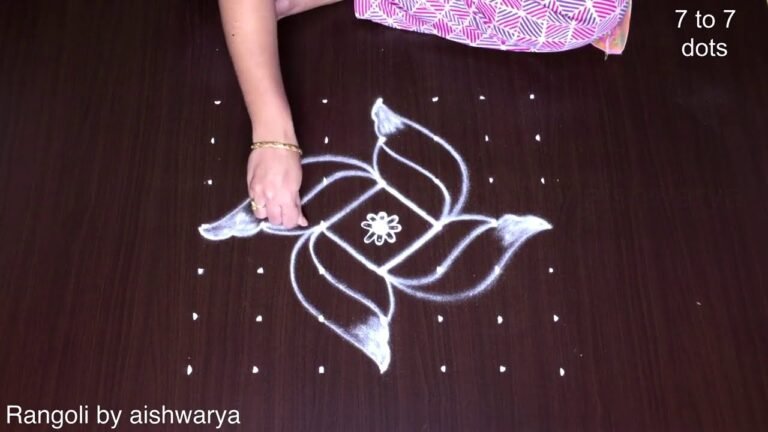
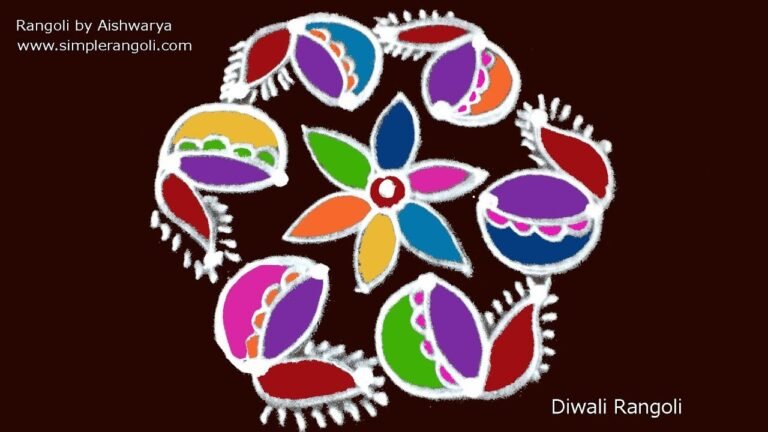
Deepam Pulli Kolam | Latest Rangoli Kolangal | How to Draw Muggulu with 5 to 3 dots. This tutorial will show you how to draw Beautiful Indian traditional art sankranthi muggulu patterns using materials such as dry rice flour, colored sand or flower petals Rangoli designs by Aishwarya. Simple rangoli designs with dots Kolam pattern is created on the floor in living rooms or courtyards. Draw the Lines step by step as it is shown in this video and will be awesome Rangoli Design. 😲 The rangoli design for diwali pattern here is one of the amazing latest simple kolam designs. Simple Rangoli Designs and easy rangoli designs by Aishwarya with dots for beginners and intermediate.
1. Diwali Rangoli 2. Pongal kolams 3. Easy rangoli designs
4. Rangoli design 5. Chukkala muggulu 6. Muggu designs
7. Rangoli for diwali 8. Rangoli Simple 9. Chukkala muggulu sankranthi
10. Kolam designs 11. Simple rangoli design 12. Muggulu designs
13. Navaratri pooja kolam 14. Puratasi madham kolam 15. Simple sankranthi muggulu
Tip: Work from the centre outward. It keeps the symmetry honest and prevents the design from drifting off-balance.
This design belongs to the broader tradition of rangoli and kolam art practised across South India. Explore more in our 5 to 3 dots Rangoli Designs collection.
This muggulu design, featuring a dot count ranging from 5 to 3, is a beautiful representation of traditional Indian art, perfect for beginners. Often created during festivals like Sankranthi, these patterns bring a festive spirit to homes. The simplicity of the design allows newcomers to easily grasp the techniques involved, making it an excellent choice for those learning how to draw muggulu. For inspiration, you might also enjoy exploring the 9 Dots Chukkala Muggulu for Festivals that showcases intricate designs suitable for various occasions.
Using materials like rice flour or colored sand, this muggulu can be adorned with vibrant colors or kept simple, depending on personal preference. The step-by-step process demonstrated in videos helps to demystify the art form, ensuring that anyone can create their own stunning designs at home. To explore more variations, check out the 16 To 6 Amazing Panduga Pedda Muggulu. For further reading on the cultural significance of rangoli, you can visit this detailed article.
How To Draw — Step by Step Guide
The video above shows the full sequence; the steps below summarise each stage so you can glance back as you draw.
- Clear a flat surface and set down your dot grid using rice flour or chalk.
- Confirm the dot spacing is even — uneven dots are the biggest cause of wobbly curves.
- Begin tracing from the centre outward, following the curves shown in the video above.
- Fill the petals and sections with your chosen colours, working one area at a time.
- Finish the edges with a fine line for a sharp, photograph-ready result.
What You Will Learn
- Simple Rangoli Designs
- Rangoli
- Muggulu
- Rangoli Designs
- Rangoli Kolam
- Kolam
Frequently Asked Questions
How do I draw this rangoli?
The grid comes first. Use a soft chalk to dot the surface, count twice to confirm the spacing, then start connecting them following the video. Work from the centre outward.
Is this suitable for beginners?
Beginner-friendly is exactly the right description. The video walks through every line clearly and you can match the pace.
What materials do I need?
Just three things: powder (white plus any colours you want), a flat dry surface, and a few minutes of focus. A small bowl per colour helps keep things tidy.
How long does it take?
Plan for roughly 3 min 17 sec to watch and 15 minutes to draw. The second attempt is always cleaner than the first — that is the nature of dot kolam.
Roll up your sleeves, grab a handful of rice flour, and give this design ten quiet minutes. The result is worth the small effort.

Leave a Reply