Whether you are decorating for a festival or your daily morning ritual, Simple Traditional Rangoli Designs is an excellent design to keep handy.
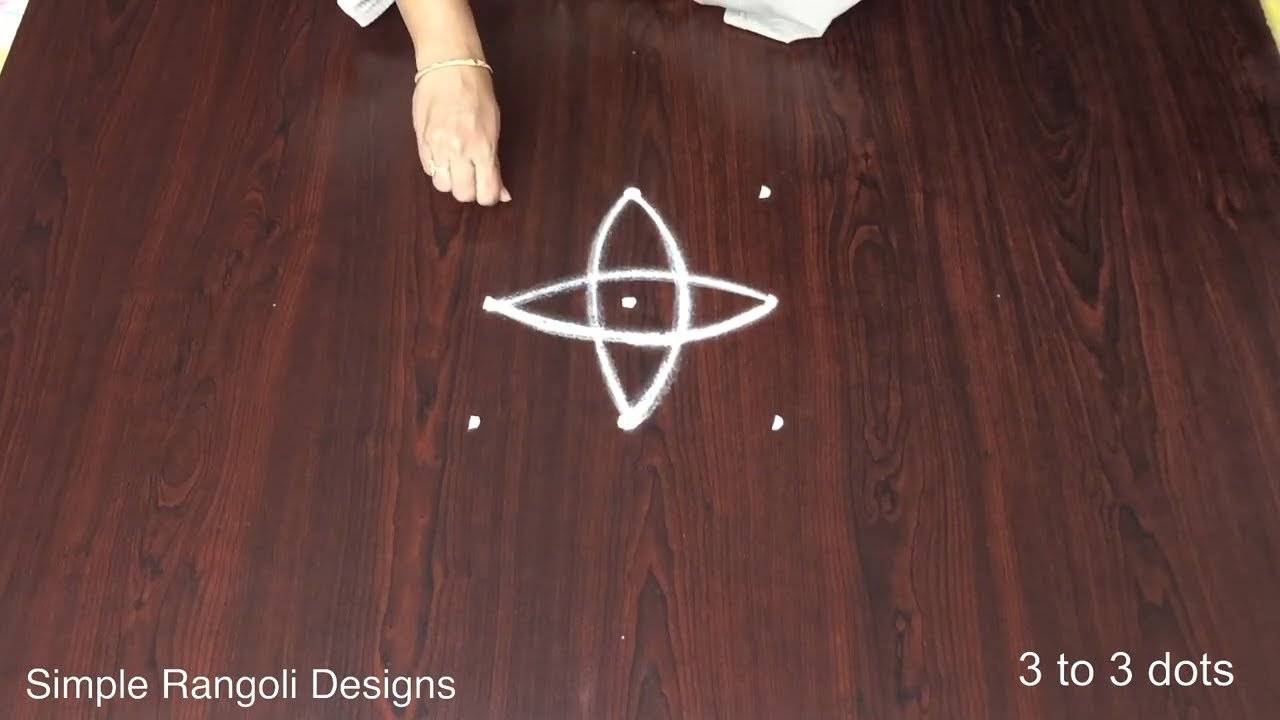
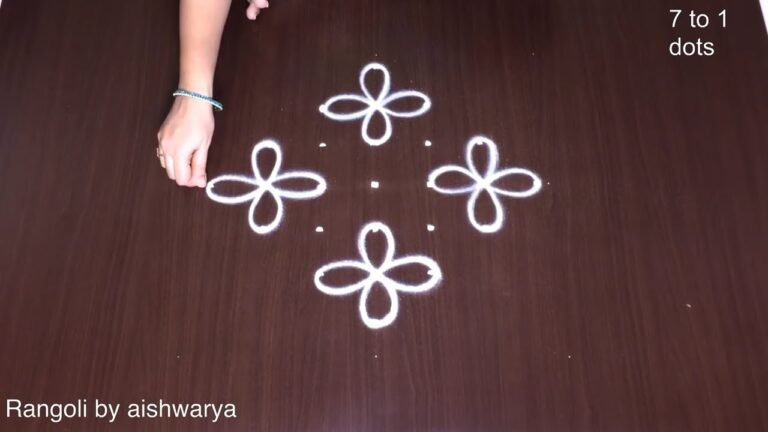
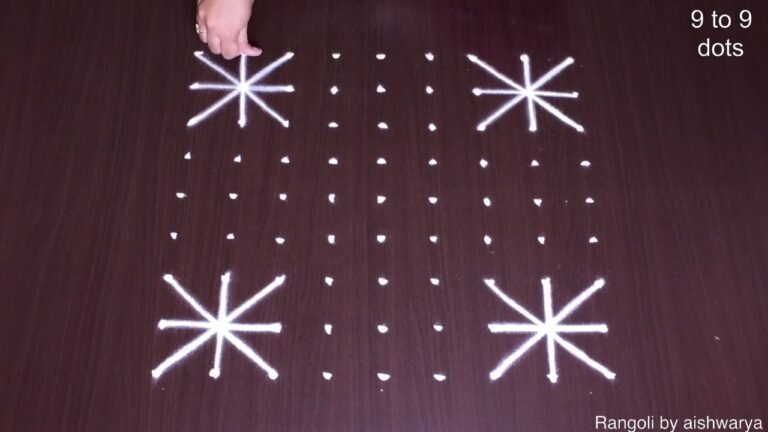
Simple Traditional Rangoli Designs 🌹 3 to 3 Sulabayina Rojuvari Muggulu 🌹 Pooja Room Kolam Pongal Thank you so much for watching Channel
For another beginner-friendly variation, try Butterfly Rangoli For Festival.
My Rangoli Channel Contains : Rangoli Designs Sankranthi Muggulu
Diwali Rangoli Ratham Muggulu Kolam Designs
Muggulu Designs Chukkala Muggulu Easy Rangoli
Simple Rangoli Easy Rangoli Designs Dhanurmasam Muggulu
Melikala Muggulu Geethala Muggulu Sivarathri Muggulu
Tip: Use chalk to lightly mark your dot grid first — it wipes away cleanly once your rangoli is finished.
This design belongs to the broader tradition of rangoli and kolam art practised across South India. Explore more in our 3 to 3 dots Rangoli Designs collection.
This simple traditional rangoli design, featuring a 3 to 3 dot pattern, perfectly embodies the charm of festive celebrations in India. Often created during auspicious occasions such as Pongal or Diwali, these designs adorn entrances and prayer spaces, welcoming guests with their intricate beauty. The Sulabayina Rojuvari Muggulu style allows for creativity while remaining easy enough for beginners to practice, making it a delightful addition to any celebration. For more inspiration, you might also enjoy the Pongal Pot Kolam designs.
Rangoli, as a traditional art form, has deep cultural roots in Indian households, often symbolizing prosperity and good fortune. Using colorful powders or rice flour, these designs can be customized to match specific festivals or personal preferences. The 3 to 3 dot configuration allows for symmetrical patterns, which are pleasing to the eye and enhance the festive spirit. If you’re interested in exploring other designs, check out the Navratri Durga Pooja Kolam for more festive ideas. For those looking to learn more about rangoli, you can visit this link.
About this design: Simple Traditional Rangoli Designs is a beginner-friendly pattern that comes together in just a few minutes. Once you have practised the simple traditional rangoli designs dot grid, you can scale it up for festival mornings or scale it down for a daily doorstep. Many learners on our channel make this simple traditional rangoli designs their go-to design once they get the rhythm of the curves.
Simple Traditional Rangoli Designs — Step by Step Guide
The video above shows the full sequence; the steps below summarise each stage so you can glance back as you draw.
- Clear a flat surface and set down your dot grid using rice flour or chalk.
- Confirm the dot spacing is even — uneven dots are the biggest cause of wobbly curves.
- Begin tracing from the centre outward, following the curves shown in the video above.
- Fill the petals and sections with your chosen colours, working one area at a time.
- Finish the edges with a fine line for a sharp, photograph-ready result.
What You Will Learn
- Simple Rangoli Designs
- Rangoli
- Muggulu
- Rangoli Designs
- Rangoli Kolam
- Kolam
Frequently Asked Questions
How do I draw this rangoli?
Set down the dot grid in pencil or chalk, then follow the loops one petal at a time. If a curve goes off, wipe it and retry — kolam is forgiving.
Is this suitable for beginners?
It is one of the more forgiving designs in our collection. Beginners often pick it as a confidence-builder before moving on to larger grids.
What materials do I need?
Just three things: powder (white plus any colours you want), a flat dry surface, and a few minutes of focus. A small bowl per colour helps keep things tidy.
How long does it take?
The tutorial is 3 min 2 sec long. With practice the actual drawing settles around 10 minutes; the first time will likely take twice that.
If you enjoyed this design, browse our other dot-pattern tutorials — they share the same approach and build naturally on the techniques here.

Leave a Reply