Add a touch of charm to your doorway with 5 To 3 Aadi — clean lines, balanced symmetry, and easy to scale.
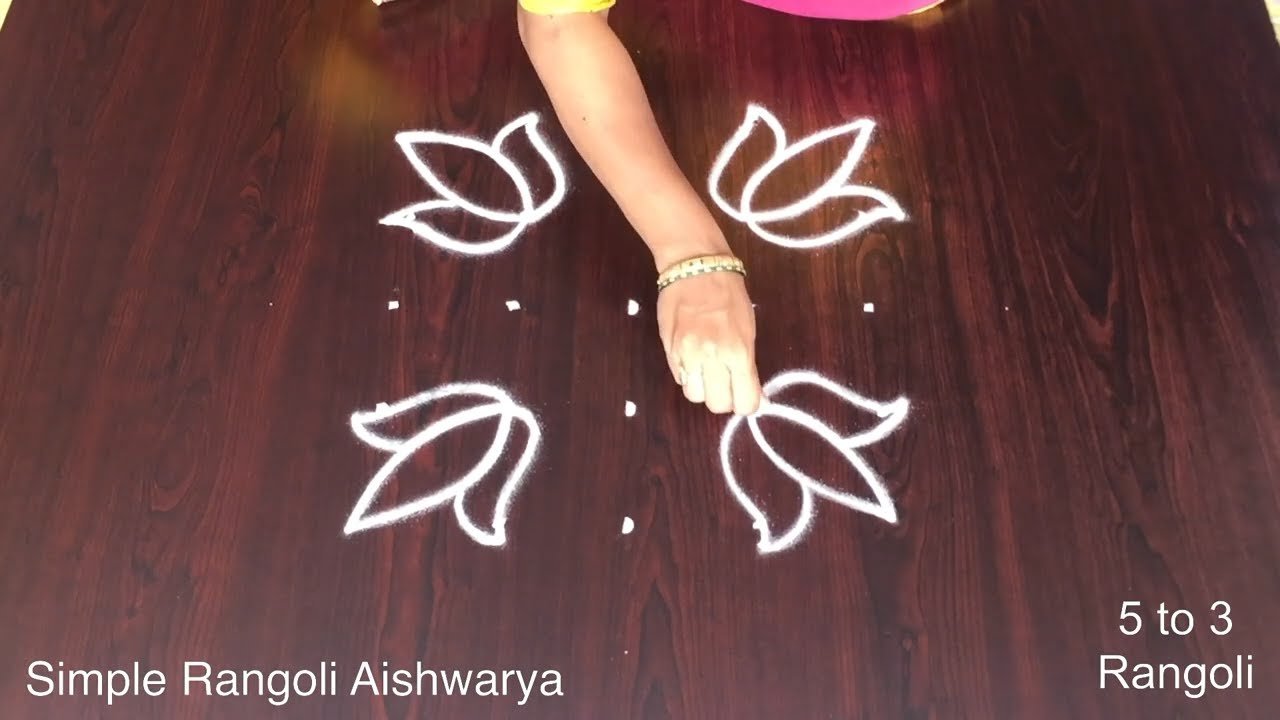
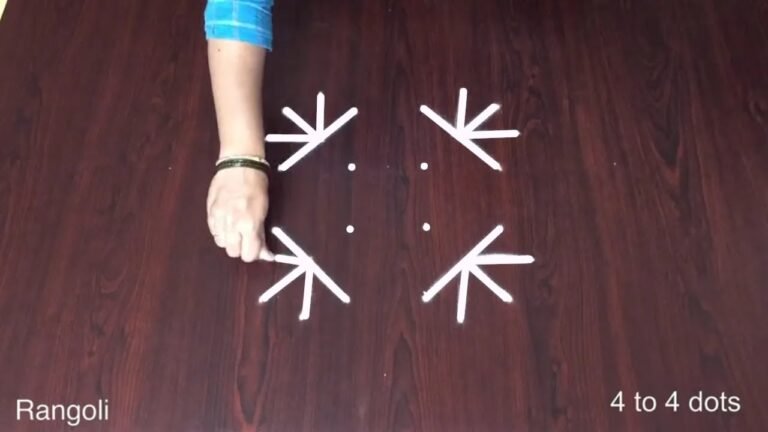
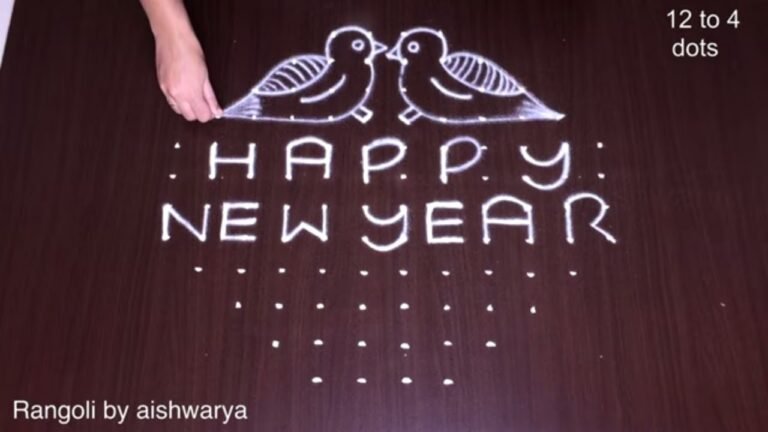
Janmashtami Rangoli | Simple Muggulu Designs Side | 5 to 3 Aadi Matha Kolam. This tutorial will show you how to draw Beautiful Indian traditional art sankranthi muggulu patterns using materials such as dry rice flour, colored sand or flower petals Rangoli designs by Aishwarya. Simple rangoli designs with dots Kolam pattern is created on the floor in living rooms or courtyards. Draw the Lines step by step as it is shown in this video and will be awesome Rangoli Design. Chapters: 0:00 Intro
0:05 Janmashtami Rangoli 3:20 Simple Muggulu Designs Side 😲 The rangoli design for diwali pattern here is one of the amazing latest simple kolam designs.
Simple Rangoli Designs and easy rangoli designs by Aishwarya with dots for beginners and intermediate. 1. Diwali Rangoli 2. Pongal kolams
3. Easy rangoli designs 4. Rangoli design 5. Chukkala muggulu
6. Muggu designs 7. Rangoli for diwali 8. Thai madam rangoli
9. Chukkala muggulu sankranthi 10. Kolam designs 11. Simple rangoli design
Tip: A slightly damp brush along the edges gives a sharper finish, especially for festival photographs.
This design belongs to the broader tradition of rangoli and kolam art practised across South India. Explore more in our 5 to 3 dots Rangoli Designs collection.
The 5 to 3 Aadi Matha Kolam is a beautiful and intricate design that captures the essence of traditional Indian art. This kolam, made with a distinct arrangement of dots, typically features a combination of floral patterns and geometric shapes, making it visually appealing yet approachable for beginners. It is often created during the Aadi month, which holds special significance in many regions, showcasing the rich cultural heritage associated with festivals like Janmashtami. For more inspiration, you may also explore our Big Dot Rangoli Muggulu designs.
Crafting this kolam involves using simple materials like rice flour or colored powders, allowing for creativity and personalization. The 5 to 3 dot arrangement provides a solid foundation for building complex patterns, making it a great choice for both novice and experienced artists. As you practice this design, you can also look into other similar patterns, like the Attractive Simple Kolam Design, to expand your skills and repertoire. For further reading on the art of rangoli, check out this informative article.
5 To 3 Aadi — Step by Step Guide
Pace yourself through the steps — kolam rewards patience more than speed.
- Clear a flat surface and set down your dot grid using rice flour or chalk.
- Confirm the dot spacing is even — uneven dots are the biggest cause of wobbly curves.
- Begin tracing from the centre outward, following the curves shown in the video above.
- Fill the petals and sections with your chosen colours, working one area at a time.
- Finish the edges with a fine line for a sharp, photograph-ready result.
What You Will Learn
- Simple Rangoli Designs
- Rangoli
- Muggulu
- Rangoli Designs
- Rangoli Kolam
- Kolam
Frequently Asked Questions
How do I draw this rangoli?
Start by marking an even dot grid on a flat, clean surface. Once the grid is in place, connect the dots following the curves shown in the video. Even spacing between dots is the single biggest factor for a clean finish.
Is this suitable for beginners?
Yes, and it is one we recommend to first-timers. The small grid keeps the design manageable while still teaching the core technique.
What materials do I need?
You will need rice flour or rangoli powder (white, plus your choice of colours), a flat surface like a clean floor or courtyard, and optionally a dot stencil if you are new to grid-drawing.
How long does it take?
The video runs 7 min 26 sec. In practice, most learners take between 10 and 20 minutes — a little longer the first time, faster as the pattern becomes familiar.
This is one of those designs that grows on you. The first attempt is for learning; the second is for muscle memory; the third is when it starts to feel like your own.

Leave a Reply