Looking to learn Pandaga Basic Beginners Kolam? This step-by-step guide walks you through every line, dot, and curve.
Learn more about the tradition of Rangoli on Wikipedia.
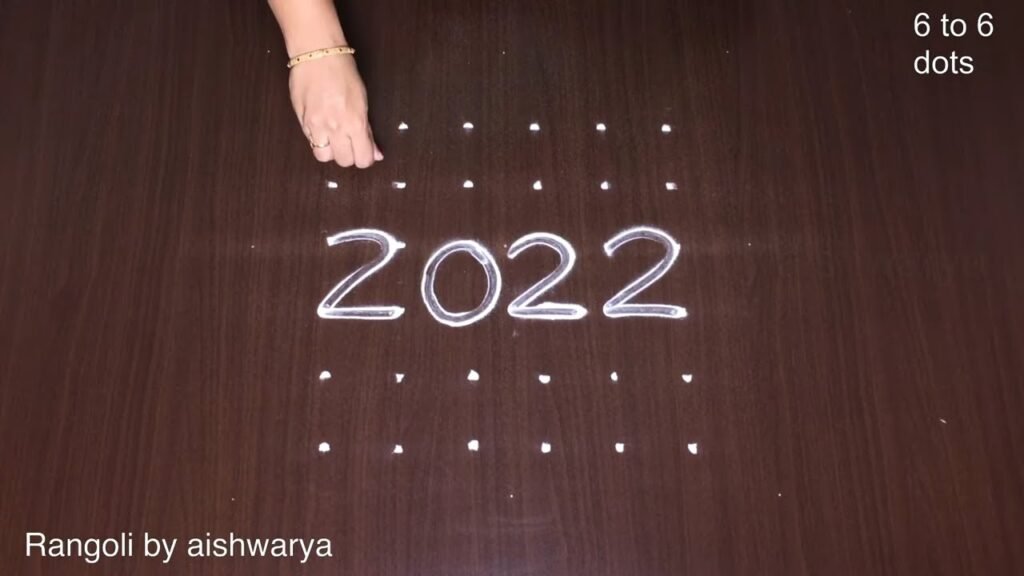
Pandaga Rangoli Muggulu | Basic Beginners Kolam with 6-6 dots. This tutorial will show you how to draw Beautiful Indian traditional art Diwali Rangoli patterns using materials such as dry rice flour, colored sand or flower petals Rangoli designs by Aishwarya. Simple rangoli Kutti Kolam pattern is created on the floor in living rooms or courtyards. Draw the Lines step by step as it is shown in this video and will be awesome Rangoli Design. 😲 The Diwali rangoli pattern here is one of the amazing latest kolam designs. Simple Rangoli Designs and easy rangoli designs by Aishwarya with dots for beginners and intermediate.
1. Diwali Rangoli 2. Pongal kolams 3. Pongal rangoli designs
4. Sankranthi designs 5. Easy rangoli for sankranthi 6. Pongal designs
7. Latest rangoli for sankranthi 8. Marzaghi kolams 9. Best kolangal
10. Easy rangoli designs 11. Rangoli Designs for Bhaubeej 12. Thipkyanchi Rangoli Designs
13. Simple Karthigai Kolam 14. Karthika Masam Chukkala Muggulu 15. Tulasi Kota Muggulu
Tip: A slightly damp brush along the edges gives a sharper finish, especially for festival photographs.
This design belongs to the broader tradition of rangoli and kolam art practised across South India. Explore more in our 6 to 6 dots Rangoli Designs collection.
The Pandaga basic beginners kolam features an elegant design created with 6 to 6 dots, making it a perfect choice for those new to the art of rangoli. This simple yet beautiful pattern is often drawn during festive occasions like Diwali, symbolizing joy and prosperity. Using materials such as rice flour, colored sand, or flower petals, beginners can easily replicate this design in their living spaces, bringing warmth and vibrancy to their homes. For additional inspiration, you may also explore Simple Easy Rangoli for Diwali.
This kolam design is not only a delightful representation of traditional Indian art but also serves as a wonderful way to practice and hone your skills. The step-by-step approach to creating this rangoli allows beginners to gain confidence while enjoying the process. Whether you are preparing for Diwali or any other festival, this kolam can be a charming addition to your celebrations. If you’re interested in exploring more festive designs, check out Chukkala Muggulu for Sankranthi for further ideas.
About this design: Pandaga Basic Beginners Kolam is a beginner-friendly pattern that comes together in just a few minutes. Once you have practised the pandaga basic beginners kolam dot grid, you can scale it up for festival mornings or scale it down for a daily doorstep. Many learners on our channel make this pandaga basic beginners kolam their go-to design once they get the rhythm of the curves.
Pandaga Basic Beginners Kolam — Step by Step Guide
Read through the steps before you begin so the sequence feels familiar when you start drawing.
- Clear a flat surface and set down your dot grid using rice flour or chalk.
- Confirm the dot spacing is even — uneven dots are the biggest cause of wobbly curves.
- Begin tracing from the centre outward, following the curves shown in the video above.
- Fill the petals and sections with your chosen colours, working one area at a time.
- Finish the edges with a fine line for a sharp, photograph-ready result.
What You Will Learn
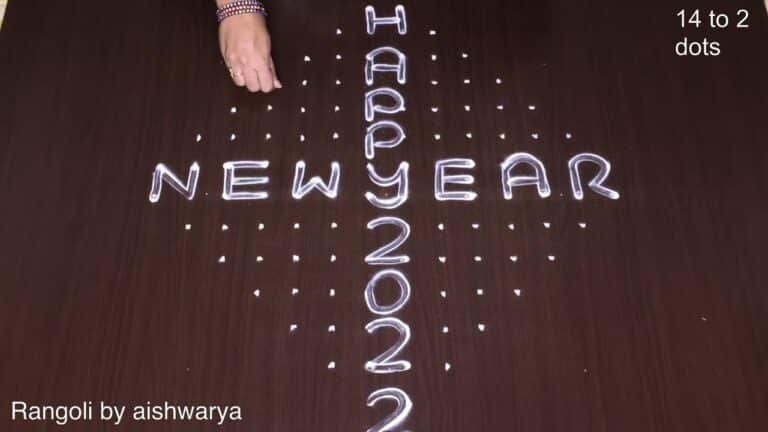
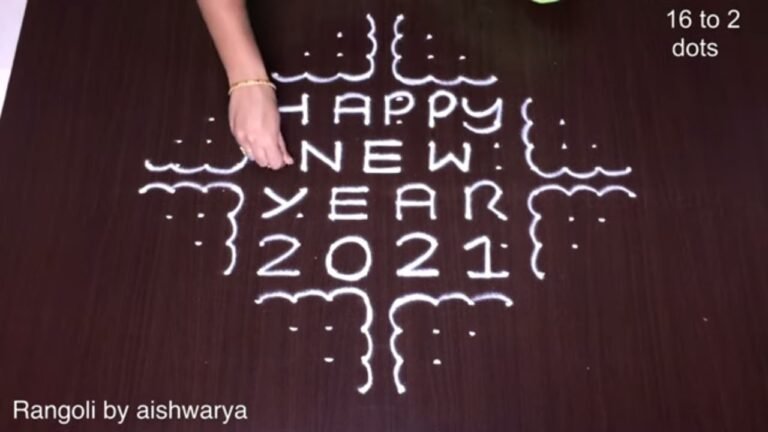
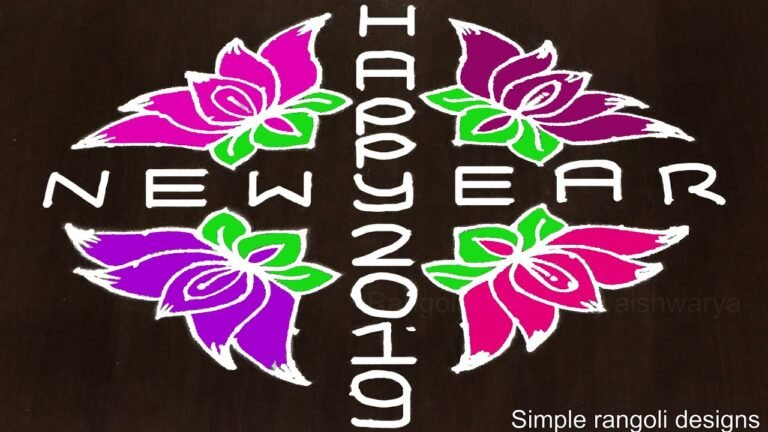
- Rangoli For New Year
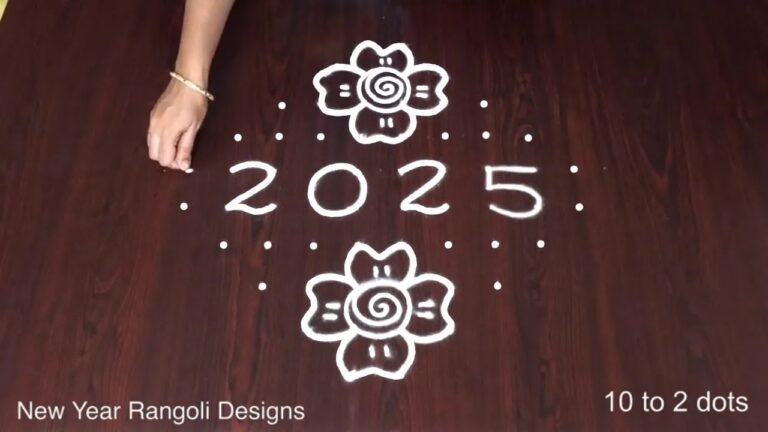
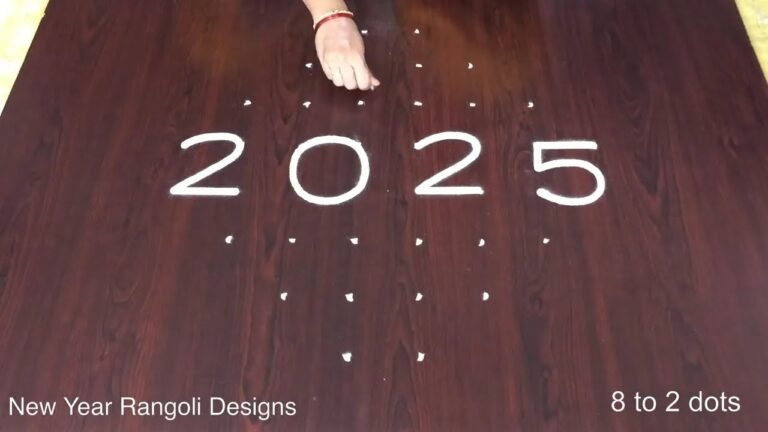
- New Year Rangoli Designs
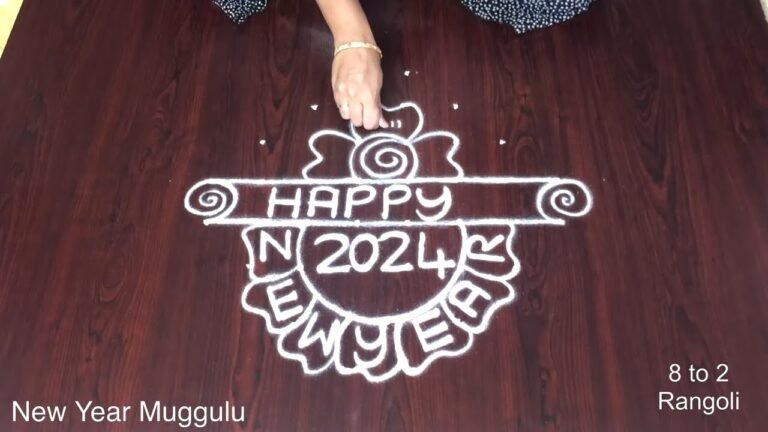
- Happy New Year Rangoli
- New Year Muggulu
- Kolam For New Year
- Rangoli For Festivals
Frequently Asked Questions
How do I draw this rangoli?
Begin with the dot grid — this is the skeleton of the design. With rice flour or chalk, place each dot at equal intervals. Then trace the curves slowly, one section at a time.
Is this suitable for beginners?
It is one of the more forgiving designs in our collection. Beginners often pick it as a confidence-builder before moving on to larger grids.
What materials do I need?
White rice flour for the outline, coloured powders for the fill, and a clean dry floor. That is the essentials list — you can add a stencil if you prefer.
How long does it take?
The video clocks in at 3 min 19 sec. Allow about quarter of an hour to draw the design at a comfortable pace.
There is real pleasure in finishing a kolam at your own doorstep — even more so when the pattern is one you have practised before. Make this one of those.
Leave a Reply