There is something timeless about Easy And Small Rangoli — the symmetry, the rhythm of the dots, and the soft curves it produces.
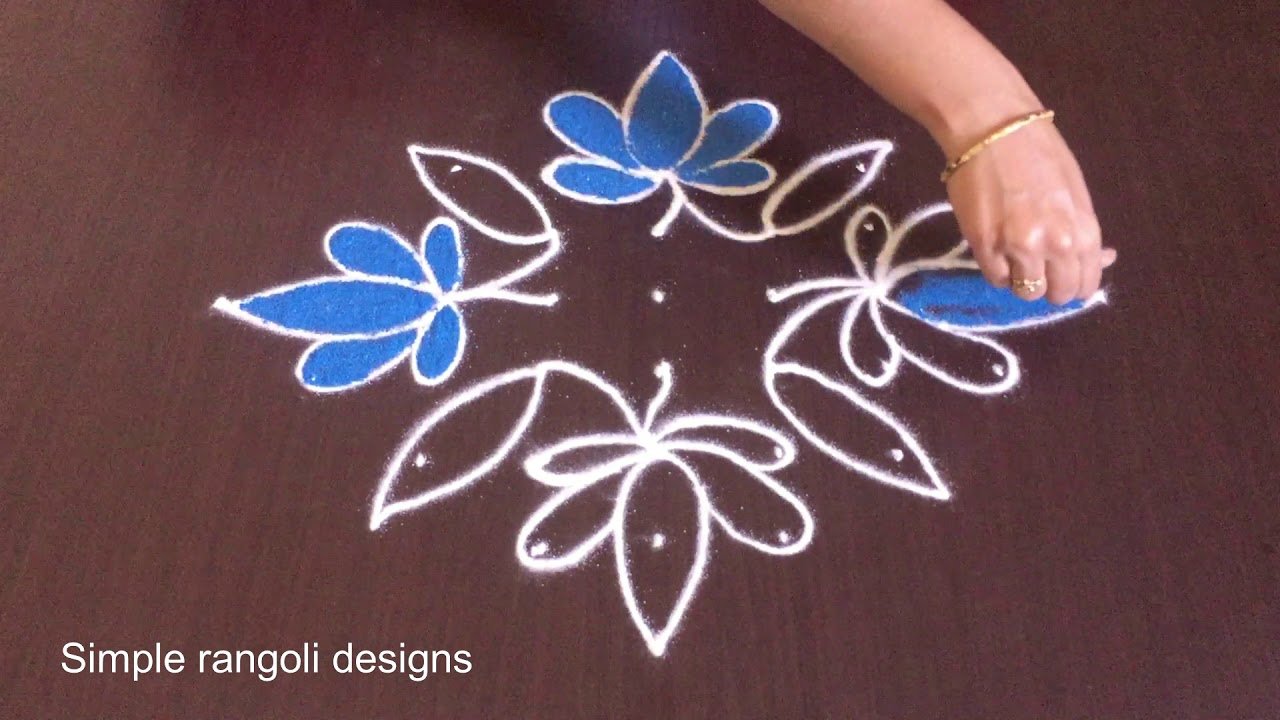
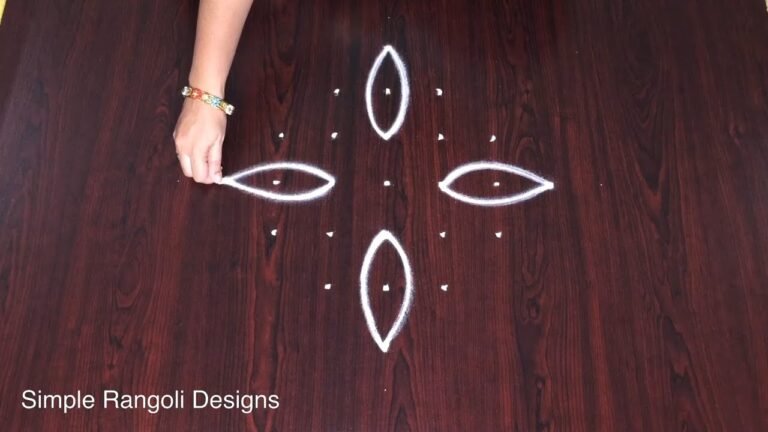
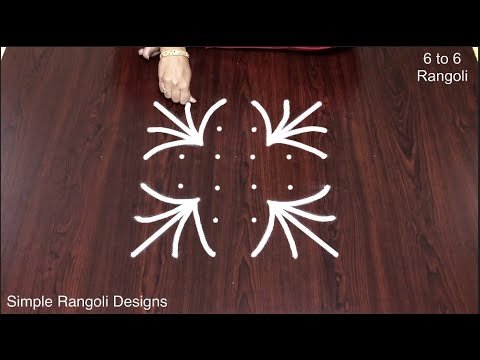
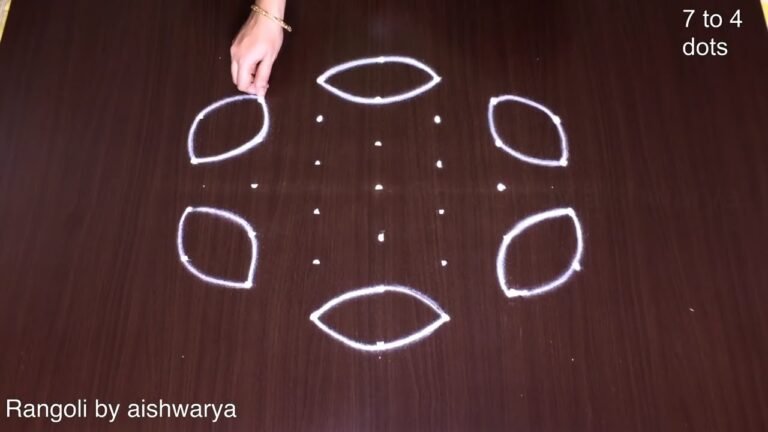
Looking for a small and easy 9-1 dots flower kolam that beginners can draw confidently? This simple rangoli design is compact, neat, and perfect for quick entrance decoration. In this video, we create a 9-1 dots small flower kolam, structured on a straight decreasing grid that forms a clean and balanced layout. The 9 to 1 format is ideal for narrow entrances and apartment thresholds where a horizontal design fits beautifully.
🌸 What You’ll Learn Step by Step: Proper placement of the 9-1 decreasing dot line Forming smooth and symmetrical flower petals
Maintaining alignment along the central axis Simple finishing touches for a polished look The 9-1 grid is one of the best formats for beginners because it naturally guides spacing and proportion. Even though the layout is compact, it creates an elegant and well-defined floral appearance.
This design works especially well when you need a quick kolam that still looks structured and attractive. Watch till the end to see the complete floral transformation — the final reveal highlights how the 9-1 dot structure turns into a beautiful and balanced kolam. If you enjoy small elongated grids, explore other beginner-friendly formats like 7-1 and 11-1 to expand your rangoli collection.
Save this design and recreate it to enhance your entrance beautifully.
Tip: Keep your powder bowl close to your dominant hand. Small movements give cleaner curves.
This easy and small rangoli design utilizes a 9 to 1 dot format, making it perfect for beginners. The structured decreasing grid allows for smooth and symmetrical flower petals, providing a visually appealing pattern that fits neatly in narrow spaces like apartment entrances. With its compact nature, this design is not only quick to create but also adds a touch of elegance to your home, especially during festive occasions. For more ideas, you can check out 7 3 Simple Apartment Muggulu for similar designs.
Crafting this beautiful kolam can be a rewarding experience, as it emphasizes the importance of proper alignment along the central axis. The final touches ensure a polished look that showcases the floral elements beautifully. This design is a great starting point for those exploring the world of Rangoli, as it encourages creativity while maintaining simplicity. If you’re looking for more intricate patterns, consider exploring Latest Flower Rangoli Designs for inspiration.
About this design: Easy And Small Rangoli is a beginner-friendly pattern that comes together in just a few minutes. Once you have practised the easy and small rangoli dot grid, you can scale it up for festival mornings or scale it down for a daily doorstep. Many learners on our channel make this easy and small rangoli their go-to design once they get the rhythm of the curves.
Easy And Small Rangoli — Step by Step Guide
Each step takes only a moment. The whole design comes together in just a few minutes once the grid is in place.
- Clear a flat surface and set down your dot grid using rice flour or chalk.
- Confirm the dot spacing is even — uneven dots are the biggest cause of wobbly curves.
- Begin tracing from the centre outward, following the curves shown in the video above.
- Fill the petals and sections with your chosen colours, working one area at a time.
- Finish the edges with a fine line for a sharp, photograph-ready result.
What You Will Learn
- 9-1 Dots Small Flower Kolam
- Easy Beginner Rangoli 9-1
- Simple Floral Muggulu 9-1
- 9-1 Dots Kolam Design
- Small Entrance Rangoli 9-1
- 9-1 Pulli Kolam
Frequently Asked Questions
How do I draw this rangoli?
It looks complex but follows a simple rhythm: dots first, then loops. Mark the grid, take a breath, and trace the curves at a steady pace. The pattern emerges on its own.
Is this suitable for beginners?
Yes, and it is one we recommend to first-timers. The small grid keeps the design manageable while still teaching the core technique.
What materials do I need?
Just three things: powder (white plus any colours you want), a flat dry surface, and a few minutes of focus. A small bowl per colour helps keep things tidy.
How long does it take?
Plan for roughly 4 min 30 sec to watch and 15 minutes to draw. The second attempt is always cleaner than the first — that is the nature of dot kolam.
Roll up your sleeves, grab a handful of rice flour, and give this design ten quiet minutes. The result is worth the small effort.
Leave a Reply