Add a touch of charm to your doorway with Flower Designs Rangoli 11-6 — clean lines, balanced symmetry, and easy to scale.
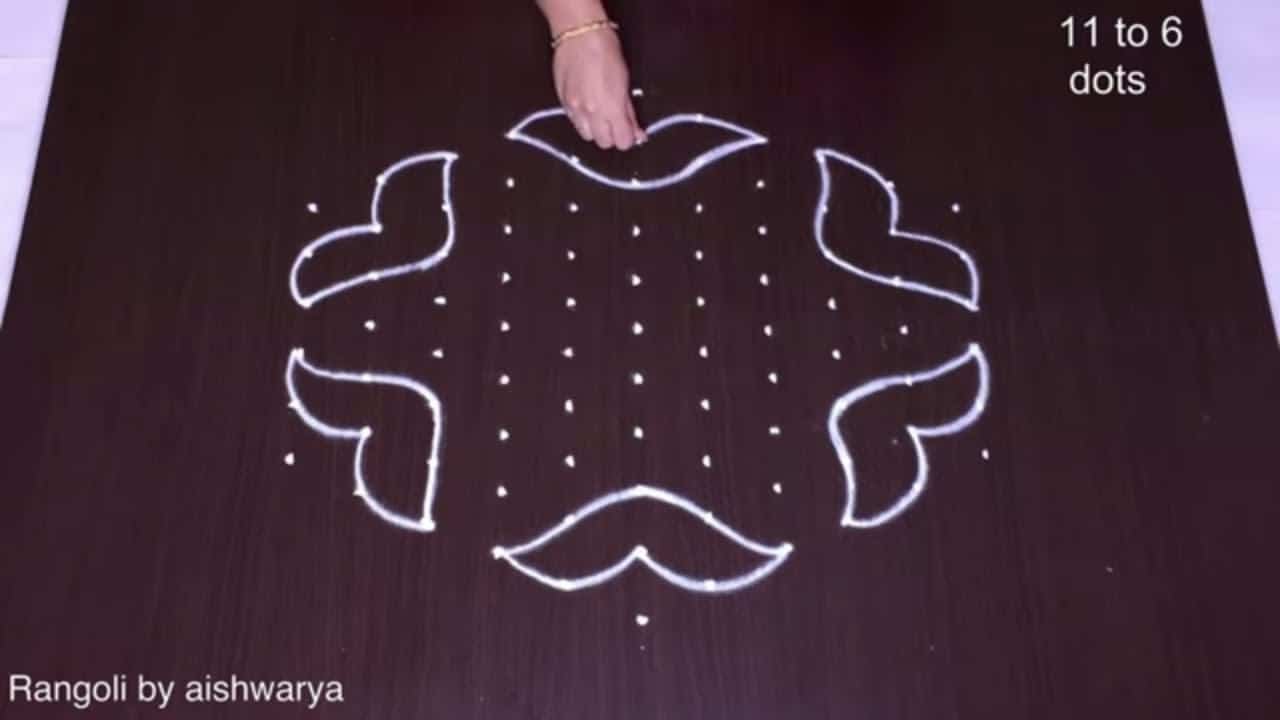
Different type of flower designs rangoli 11-6 | Middle dots big chukkala muggulu kolams Thank you so much for watching Channel
My Rangoli Channel Contains : Rangoli Designs Sankranthi Muggulu
Diwali Rangoli Ratham Muggulu Kolam Designs
Muggulu Designs Chukkala Muggulu Easy Rangoli
Simple Rangoli Easy Rangoli Designs Dhanurmasam Muggulu
Melikala Muggulu Geethala Muggulu Sivarathri Muggulu
Tip: Work from the centre outward. It keeps the symmetry honest and prevents the design from drifting off-balance.
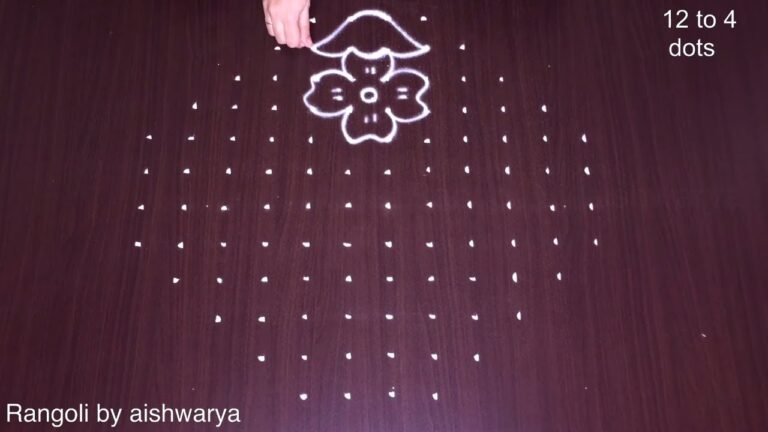
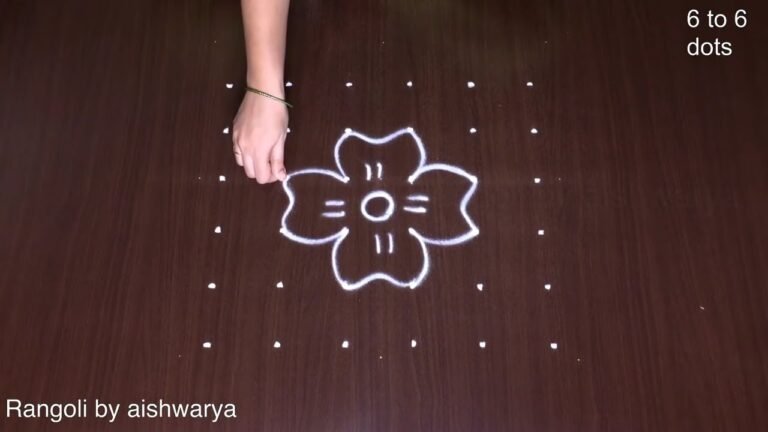
The flower designs rangoli 11-6 is a delightful display of artistic expression, characterized by its use of 11 dots arranged in a unique pattern that showcases vibrant floral motifs. This design is perfect for festivals and special occasions, adding a burst of color and joy to any setting. The intricate detailing makes it a wonderful choice for beginners who wish to practice their skills while creating something beautiful. For more inspiration, you might enjoy exploring the Attractive Beautiful Design Festivals Easy Rangoli post.
This type of rangoli not only captures the essence of traditional Indian art but also allows for personal creativity, as you can choose the colors and flowers that resonate with you. The 11-6 design often serves as a lovely centerpiece during celebrations like Diwali or Sankranthi. By learning the techniques involved, you can also create other patterns, such as those found in Every Day Morning Rangoli. For a deeper dive into the rich culture surrounding rangoli, visit this Wikipedia page.
Flower Designs Rangoli 11-6 — Step by Step Guide
Use the steps below as a reference card while the video plays. Most learners finish on the second attempt.
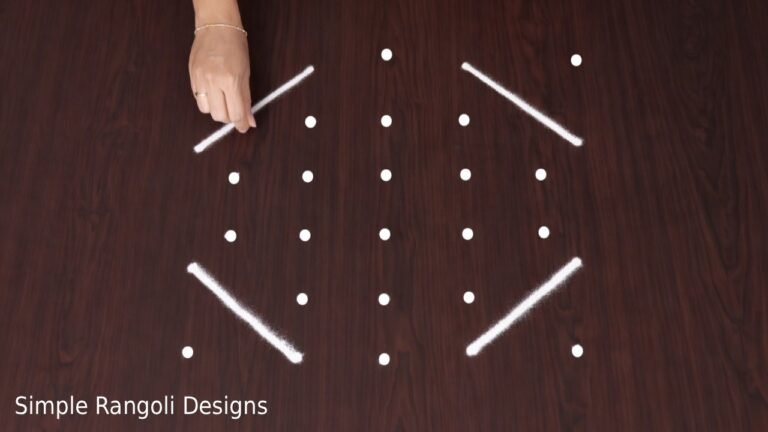
- Mark an 11-to-6 dot grid (idukku pulli): a rectangular block of dots, widest row 11 tapering to 6, held in the centre as the reserved panel.
- Frame the dot block with a rounded rectangular outline and fill the interior with a criss-cross net (diagonal lattice hatching) so it reads as a woven panel.
- Over the top edge of the panel draw a small lotus flower with a pair of leaves, and add curling S-scrolls at the two upper corners of the panel.
- At each of the four corners around the panel draw a large rose: begin from a small rolled spiral centre and wrap three to four scalloped petal layers outward for a ruffled cabbage-rose edge.
- Add one more rose at the bottom centre and a leafy bud crown at the top centre, keeping the whole layout symmetric left-to-right.
- Tuck small pointed leaves between the roses and the central panel to close the gaps.
What You Will Learn
- 11X6 Dots Rangoli
- Middle Dots Flower Kolam
- Big Chukkala Muggulu Designs
- 11-6 Dots Kolam
- Flower Rangoli With Dots
- Rangoli With Dots
Frequently Asked Questions
How do I draw this rangoli?
Begin with the dot grid — this is the skeleton of the design. With rice flour or chalk, place each dot at equal intervals. Then trace the curves slowly, one section at a time.
Is this suitable for beginners?
Beginner-friendly is exactly the right description. The video walks through every line clearly and you can match the pace.
What materials do I need?
You will need rice flour or rangoli powder (white, plus your choice of colours), a flat surface like a clean floor or courtyard, and optionally a dot stencil if you are new to grid-drawing.
How long does it take?
4 min 52 sec of video, perhaps 20 minutes of practice. The curves take a couple of attempts to feel natural, then it speeds up considerably.
A reminder that beautiful art does not need expensive materials — just a steady hand, a clean surface, and a few pinches of rice flour.
Leave a Reply