Navaratri Special Villaku Padi combines tradition with simplicity, making it one of the most rewarding designs to practice at home.
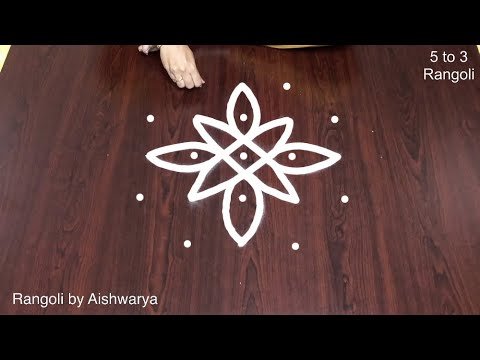
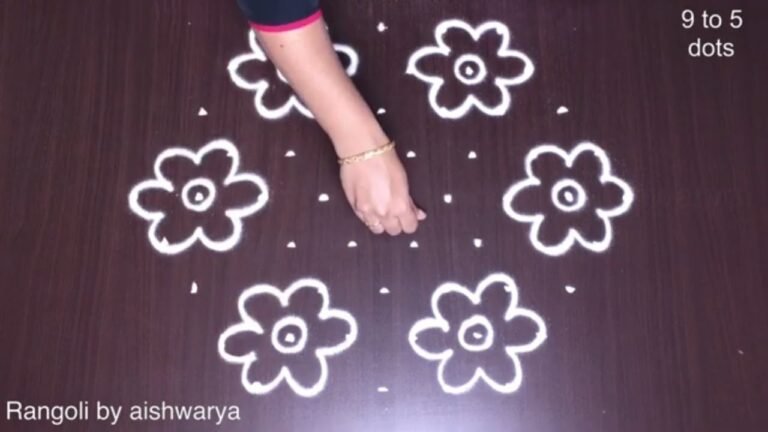
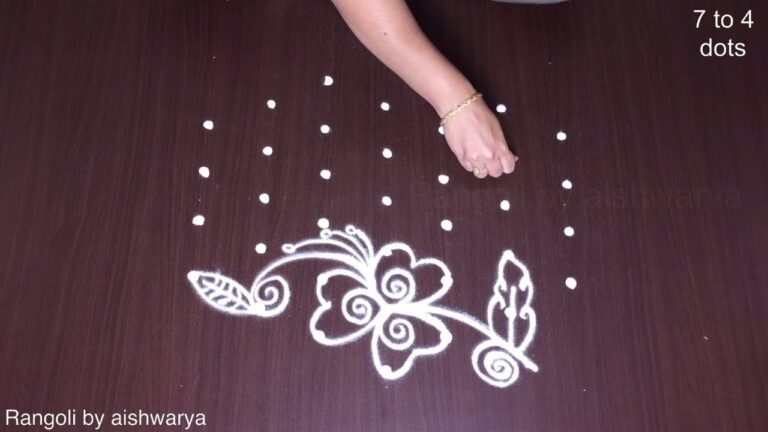
Chinna Muggulu Designs | Navaratri Special Villaku Padi Kolam | 5×3 Dussehra Ki Rangoli. This tutorial will show you how to draw Beautiful Indian traditional art sankranthi muggulu patterns using materials such as dry rice flour, colored sand or flower petals Rangoli designs by Aishwarya. Simple rangoli designs with dots Kolam pattern is created on the floor in living rooms or courtyards. Draw the Lines step by step as it is shown in this video and will be awesome Rangoli Design. 😲 The rangoli design for diwali pattern here is one of the amazing latest simple kolam designs. ⏱️⏱️VIDEO CHAPTERS⏱️⏱️
0:00 Intro 0:05 Chinna Muggulu Designs 2:56 Dussehra Ki Rangoli
Simple Rangoli Designs and easy rangoli designs by Aishwarya with dots for beginners and intermediate. 1. Diwali Rangoli 2. Pongal kolams
3. Easy rangoli designs 4. Rangoli design 5. Chukkala muggulu
6. Muggu designs 7. Rangoli for diwali 8. Rangoli Simple
9. Chukkala muggulu sankranthi 10. Kolam designs 11. Simple rangoli design
Tip: Work from the centre outward. It keeps the symmetry honest and prevents the design from drifting off-balance.
This design belongs to the broader tradition of rangoli and kolam art practised across South India. Explore more in our 5 to 3 dots Rangoli Designs collection.
The Navaratri Special Villaku Padi Kolam is a delightful design that resonates with the festive spirit of Dussehra. This kolam features a simple yet elegant arrangement of dots in a 5×3 grid, making it accessible for beginners. Traditionally drawn using rice flour, this design can also incorporate colored sand or flower petals to enhance its beauty. During Navaratri, such rangoli designs are often created in homes to welcome guests and invoke divine blessings. For more inspiration, you might enjoy exploring Chukkala Muggulu for Sankranthi.
This kolam not only serves as a decoration but also holds cultural significance, symbolizing purity and sanctity. The Villaku Padi design, specifically, is often associated with lighting lamps during the festival, adding to its charm. As you practice this design, you’ll find that it allows for creative expression while maintaining traditional roots. If you are interested in exploring more flower-based designs, consider checking out our Latest Flower Rangoli Designs. For additional context on the art of rangoli, you can visit this page.
Navaratri Special Villaku Padi — Step by Step Guide
Below is the step-by-step breakdown. The video covers the same sequence in real time.
- Clear a flat surface and set down your dot grid using rice flour or chalk.
- Confirm the dot spacing is even — uneven dots are the biggest cause of wobbly curves.
- Begin tracing from the centre outward, following the curves shown in the video above.
- Fill the petals and sections with your chosen colours, working one area at a time.
- Finish the edges with a fine line for a sharp, photograph-ready result.
What You Will Learn
- Simple Rangoli Designs
- Rangoli
- Muggulu
- Rangoli Designs
- Rangoli Kolam
- Kolam
Frequently Asked Questions
How do I draw this rangoli?
Start by marking an even dot grid on a flat, clean surface. Once the grid is in place, connect the dots following the curves shown in the video. Even spacing between dots is the single biggest factor for a clean finish.
Is this suitable for beginners?
Beginner-friendly is exactly the right description. The video walks through every line clearly and you can match the pace.
What materials do I need?
White rice flour for the outline, coloured powders for the fill, and a clean dry floor. That is the essentials list — you can add a stencil if you prefer.
How long does it take?
The tutorial is 5 min 51 sec long. With practice the actual drawing settles around 10 minutes; the first time will likely take twice that.
After you draw this, take a picture before the day blows it away. Kolam is impermanent by design, but a photo lets you revisit the version you drew.

Leave a Reply