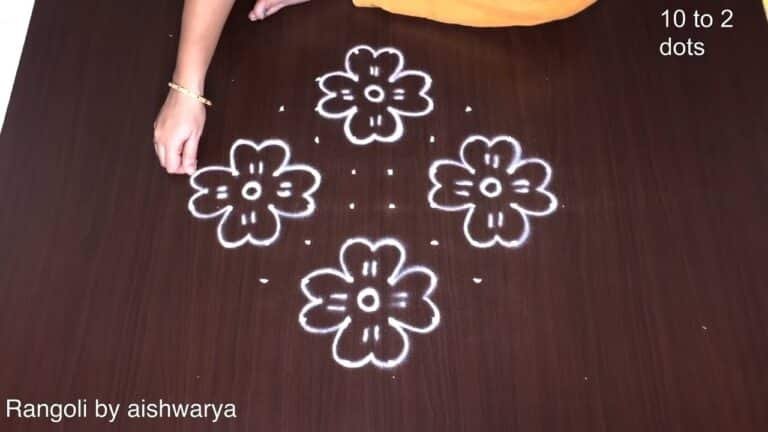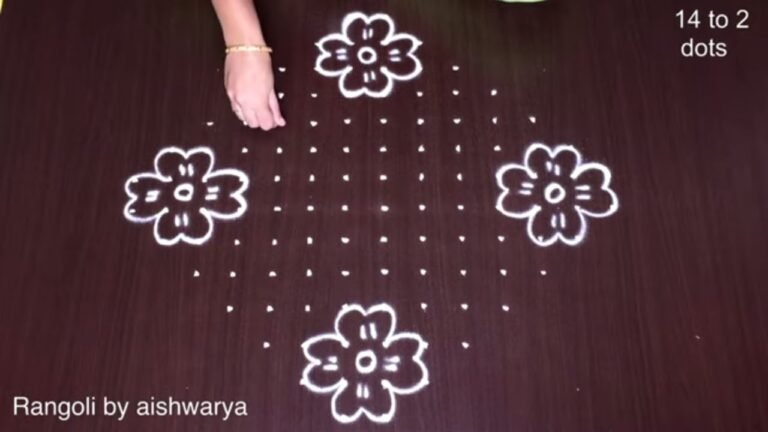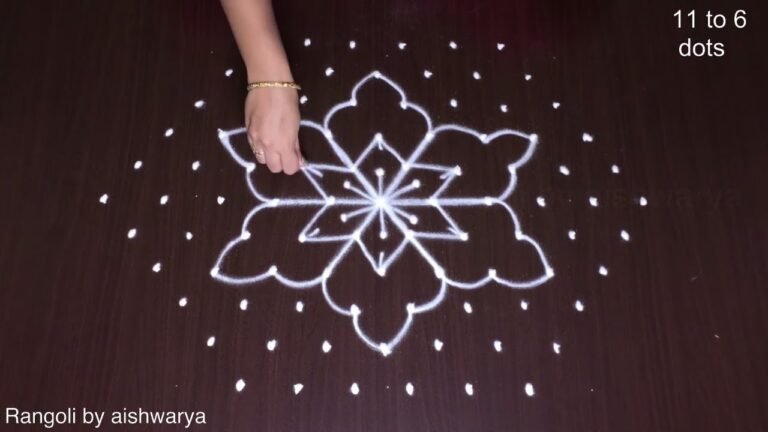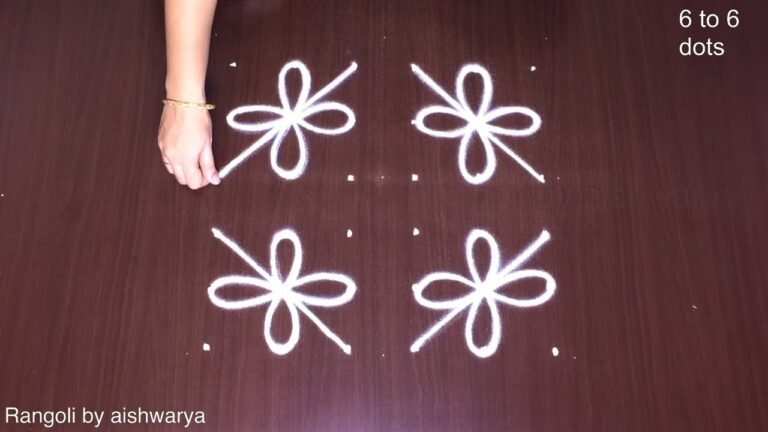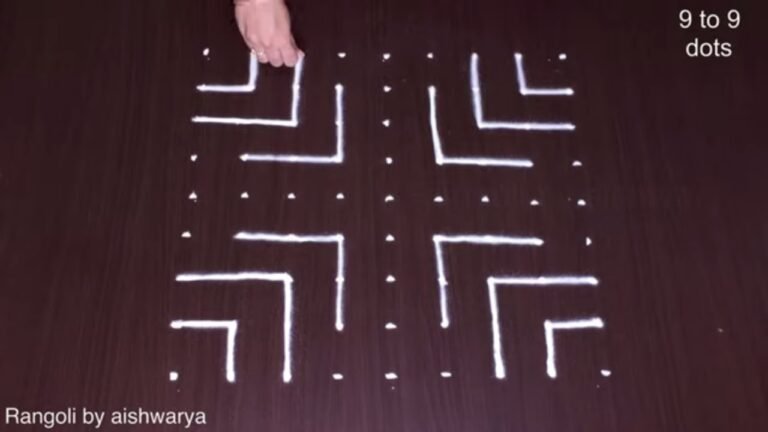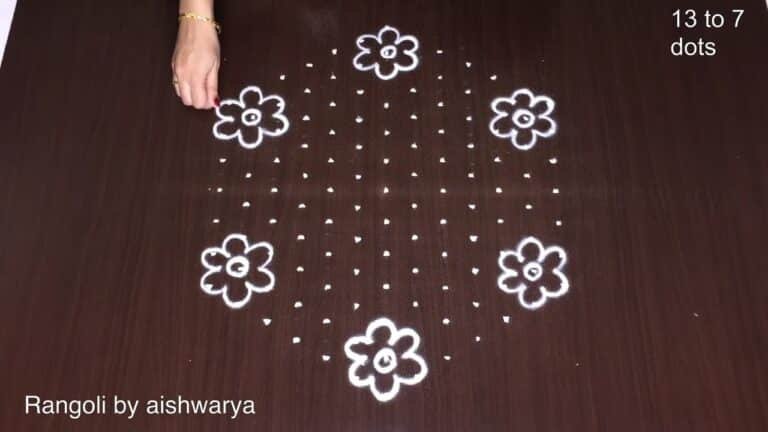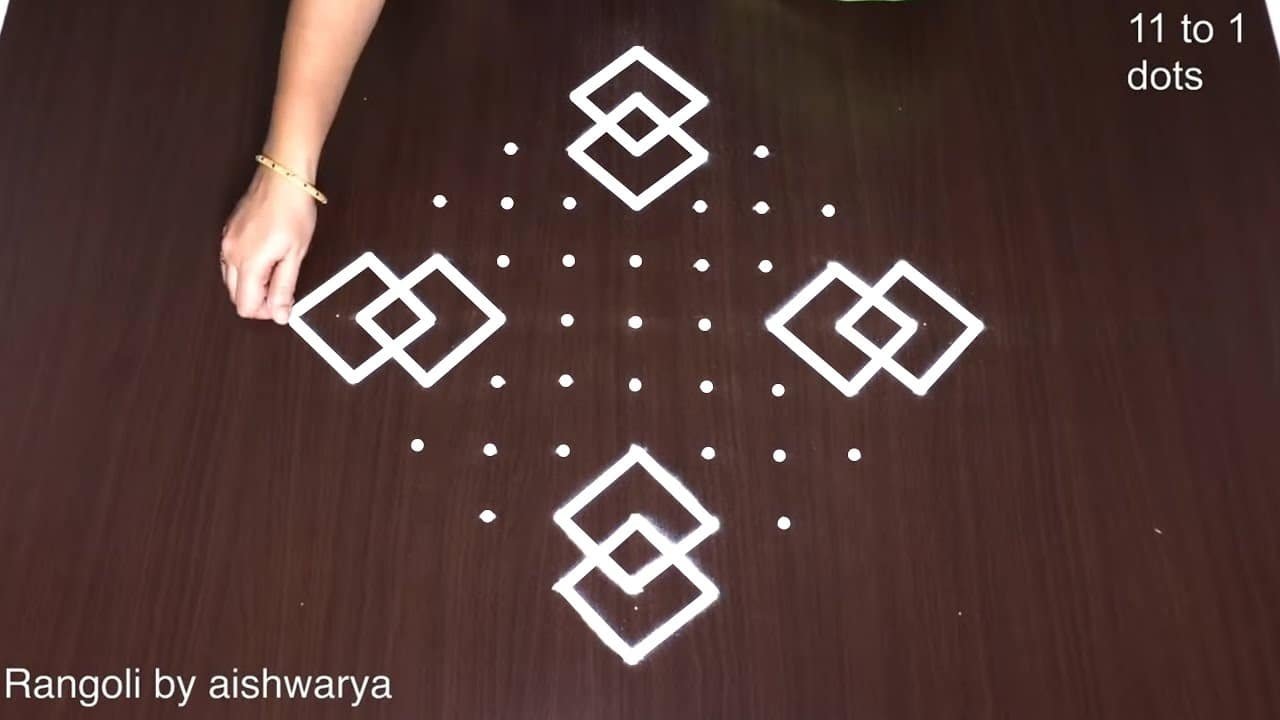
Perfect Geometrical Shapes Rangoli has become a favourite among learners on our channel — and once you try it, you will see why.

Simple Rangoli Designs presents: Simple Rangoli Designs 11 Into 1 Unique Kolam and Geometrical Shapes Muggulu 🌸 In this video, learn a simple & easy rangoli step-by-step. Whether you need a daily rangoli for your home entrance or a beautiful festival rangoli, this design is perfect for beginners! Time: Just 9 minutes for instant, eye-catching beauty.
Style: Classic traditional Muggulu / Kolam vibes with a graceful touch. Perfect for: Everyday doorstep elegance, special Friday, quick festive entrances, or whenever you want your home to feel instantly blessed & welcoming. 🌟 Perfect occasions & styles:
Everyday Home Entrance Rangoli Special Friday Rangoli Pongal Kolam & Sankranti celebrations
Diwali Rangoli Lotus Rangoli Graceful Peacock Rangoli
Door Rangoli Designs Chukkala Muggulu (dot-based patterns) Easy Rangoli Designs / Rangoli with Dots
Chukkala Muggulu / Traditional Kolam Beginners Rangoli / Border Rangoli Latest Rangoli Trends
Tip: Use chalk to lightly mark your dot grid first — it wipes away cleanly once your rangoli is finished.
The perfect geometrical shapes rangoli is a delightful design that emphasizes symmetry and balance, making it ideal for beginners. This design utilizes a simple dot pattern that forms intricate shapes, allowing even those new to the art of rangoli to create a stunning visual effect. It’s particularly suitable for everyday home entrances or special occasions like Pongal and Diwali, where its elegant lines can enhance the festive atmosphere. You can find more inspiration for daily designs in our Every Day Morning Rangoli post.
This rangoli style embodies traditional kolam art while incorporating a modern touch, making it versatile for various celebrations. The graceful arrangement of shapes can evoke feelings of peace and joy, inviting guests into your home. If you’re looking for more unique and attractive designs for different festivals, consider exploring our Attractive Beautiful Design Festivals Easy Rangoli article. To learn more about the cultural significance of rangoli, you may visit this page.
About this design: Perfect Geometrical Shapes Rangoli is a beginner-friendly pattern that comes together in just a few minutes. Once you have practised the perfect geometrical shapes rangoli dot grid, you can scale it up for festival mornings or scale it down for a daily doorstep. Many learners on our channel make this perfect geometrical shapes rangoli their go-to design once they get the rhythm of the curves.
Perfect Geometrical Shapes Rangoli — Step by Step Guide
Read through the steps before you begin so the sequence feels familiar when you start drawing.
- Clear a flat surface and set down your dot grid using rice flour or chalk.
- Confirm the dot spacing is even — uneven dots are the biggest cause of wobbly curves.
- Begin tracing from the centre outward, following the curves shown in the video above.
- Fill the petals and sections with your chosen colours, working one area at a time.
- Finish the edges with a fine line for a sharp, photograph-ready result.
What You Will Learn
- 11X1 Dots Rangoli
- Unique Kolam Designs
- Geometrical Kolam With Dots
- 11X1 Dots Kolam
- Geometrical Muggulu
- Rangoli With Dots
Frequently Asked Questions
How do I draw this rangoli?
Begin with the dot grid — this is the skeleton of the design. With rice flour or chalk, place each dot at equal intervals. Then trace the curves slowly, one section at a time.
Is this suitable for beginners?
It is one of the more forgiving designs in our collection. Beginners often pick it as a confidence-builder before moving on to larger grids.
What materials do I need?
White rice flour for the outline, coloured powders for the fill, and a clean dry floor. That is the essentials list — you can add a stencil if you prefer.
How long does it take?
Roughly 9 min 12 sec to watch end-to-end, and 10–20 minutes to draw yourself depending on grid size and how careful you are with the curves.
When you draw this, focus on the first three dots — get those right and the whole pattern follows. The rest is just patience and a steady hand.


Leave a Reply