Looking to learn Simple Muggulu Designs For? This step-by-step guide walks you through every line, dot, and curve.
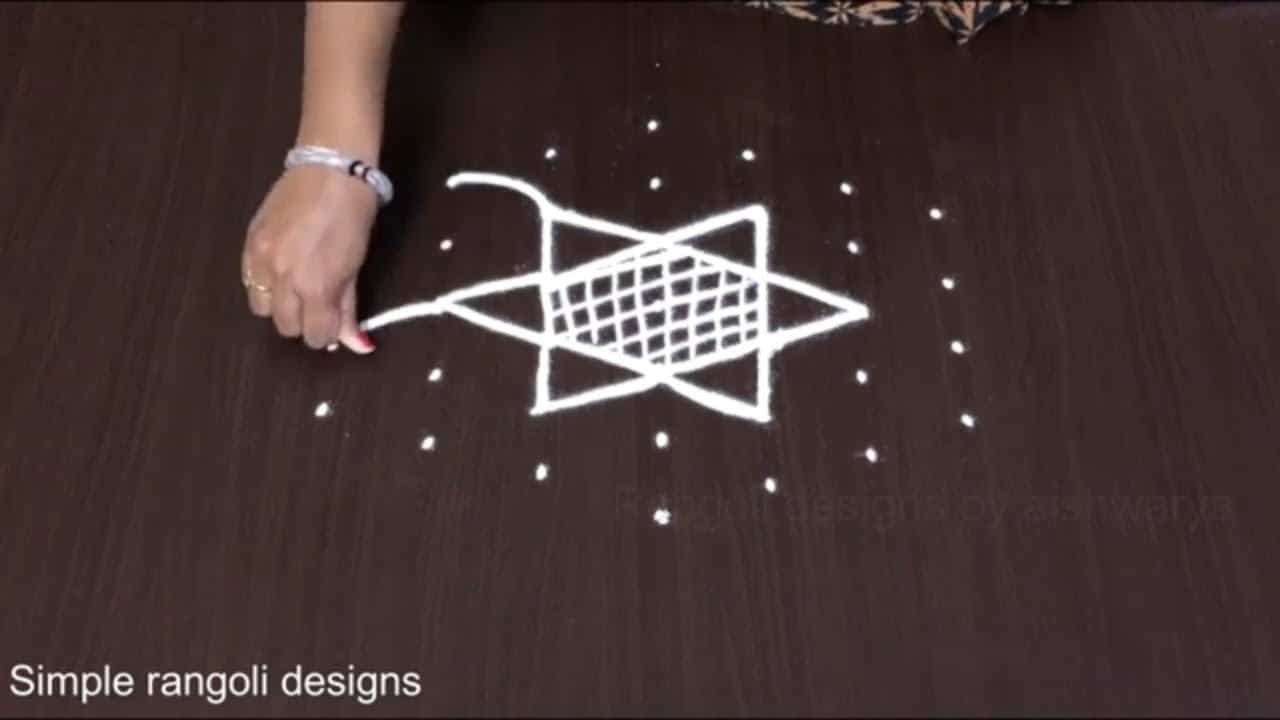
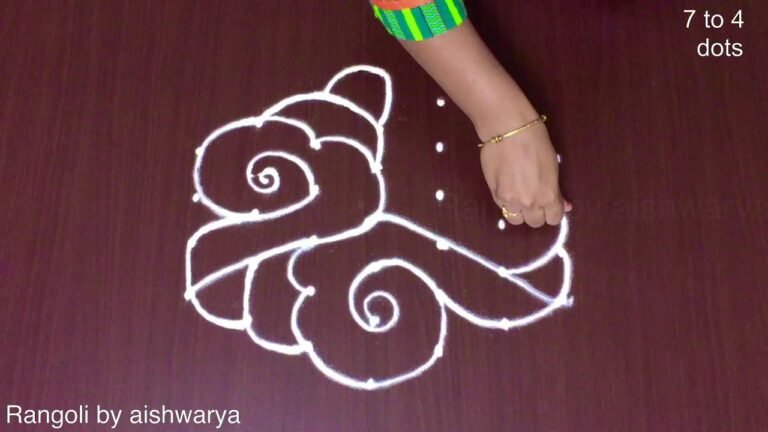
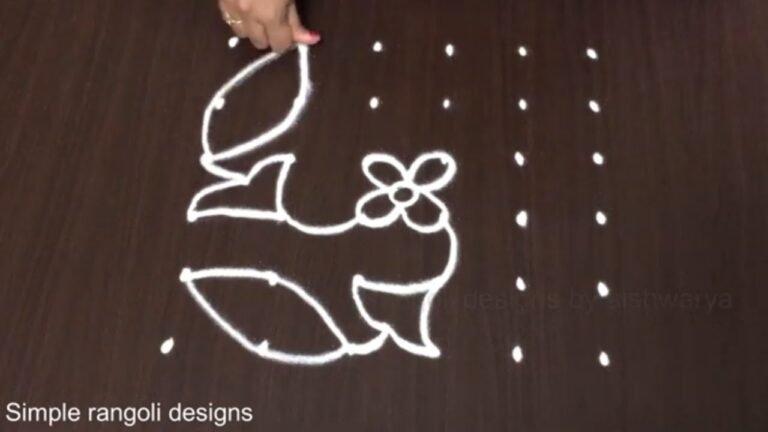
Want to learn an easy dot kolam as a beginner? This 7 by 4 dots muggulu is simple, structured, and perfect for daily practice. In this video, I guide you step by step to create a 7×4 straight dot grid kolam that is neat, symmetrical, and easy to follow. The rectangular layout makes it simple to understand spacing and balance, making it ideal for beginners who are learning dot-based rangoli designs.
We begin by placing a clear 7 by 4 straight dot structure, ensuring equal spacing for proper alignment. Then, the dots are connected smoothly to form a clean and attractive pattern. Even though the grid is small, the final kolam looks complete and well-balanced. How to construct a proper 7–4 dot grid How to maintain symmetry in rectangular kolams
How to connect dots neatly for a clean finish Tips to make beginner rangoli look polished and balanced This design is perfect for entrances, verandas, and small spaces. Its manageable size helps beginners gain confidence while creating a traditional and elegant kolam.
Watch till the end to see the full transformation from simple dots to a complete 7 by 4 kolam — the final reveal highlights a beautifully structured and easy design. If you enjoy beginner-friendly dot kolams, explore more 7 by 4 dots rangoli, easy muggulu patterns, and structured small grid designs on the channel.
Tip: Work from the centre outward. It keeps the symmetry honest and prevents the design from drifting off-balance.
This 7 by 4 dots muggulu design is a wonderful starting point for beginners eager to explore the art of kolam. The rectangular structure not only simplifies the layout but also allows for a clear understanding of symmetry and balance. As you connect the dots, you will find that the small grid results in a neat and attractive pattern, making it perfect for daily practice. For those looking to expand their skills, consider exploring other designs like the Perfect Geometrical Shapes Rangoli.
Creating this simple muggulu is not only about following the steps but also about enjoying the process of making something beautiful. The approachable design is suitable for various occasions, especially when you want to add a touch of elegance to your entrance or veranda. As you gain confidence with this pattern, you may want to try your hand at different styles, such as the 12 to 4 Dots Flower Pot Rangoli, to further enhance your skills in this traditional art form. For more information about rangoli, visit this link.
About this design: Simple Muggulu is a beginner-friendly pattern that comes together in just a few minutes. Once you have practised the simple muggulu dot grid, you can scale it up for festival mornings or scale it down for a daily doorstep. Many learners on our channel make this simple muggulu their go-to design once they get the rhythm of the curves.
Simple Muggulu — Step by Step Guide
Use the steps below as a reference card while the video plays. Most learners finish on the second attempt.
- Clear a flat surface and set down your dot grid using rice flour or chalk.
- Confirm the dot spacing is even — uneven dots are the biggest cause of wobbly curves.
- Begin tracing from the centre outward, following the curves shown in the video above.
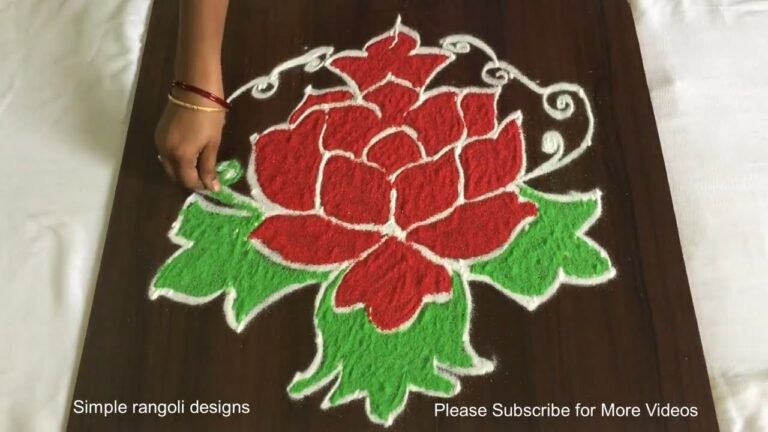
- Fill the petals and sections with your chosen colours, working one area at a time.
- Finish the edges with a fine line for a sharp, photograph-ready result.
What You Will Learn
- 7 By 4 Dots Kolam
- Simple 7X4 Muggulu Design
- Beginner Friendly Dot Rangoli
- Easy 7 4 Chukkala Muggulu
- 7X4 Dot Grid Kolam
- Rectangular Dot Rangoli Design
Frequently Asked Questions
How do I draw this rangoli?
The grid comes first. Use a soft chalk to dot the surface, count twice to confirm the spacing, then start connecting them following the video. Work from the centre outward.
Is this suitable for beginners?
It is one of the more forgiving designs in our collection. Beginners often pick it as a confidence-builder before moving on to larger grids.
What materials do I need?
Powder (white for outlines, colours for filling), a flat surface, and a dot stencil if you want absolute precision. Beyond that, just your hand and a steady pace.
How long does it take?
2 min 55 sec of video, perhaps 20 minutes of practice. The curves take a couple of attempts to feel natural, then it speeds up considerably.
Drawing kolam is as much about the practice as the result. Set aside ten minutes, follow the video, and enjoy the process.

Leave a Reply