Triangle Kolam Designs 7-4

Intermediate ⏱ 8 min Updated May 11, 2026

7 to 4 dots Rangoli Designs · August 30, 2025

Add a touch of charm to your doorway with Triangle Kolam Designs 7-4 — clean lines, balanced symmetry, and easy to scale.

Triangle Kolam Designs 7-4
Triangle Kolam Designs 7-4 — step-by-step video tutorial

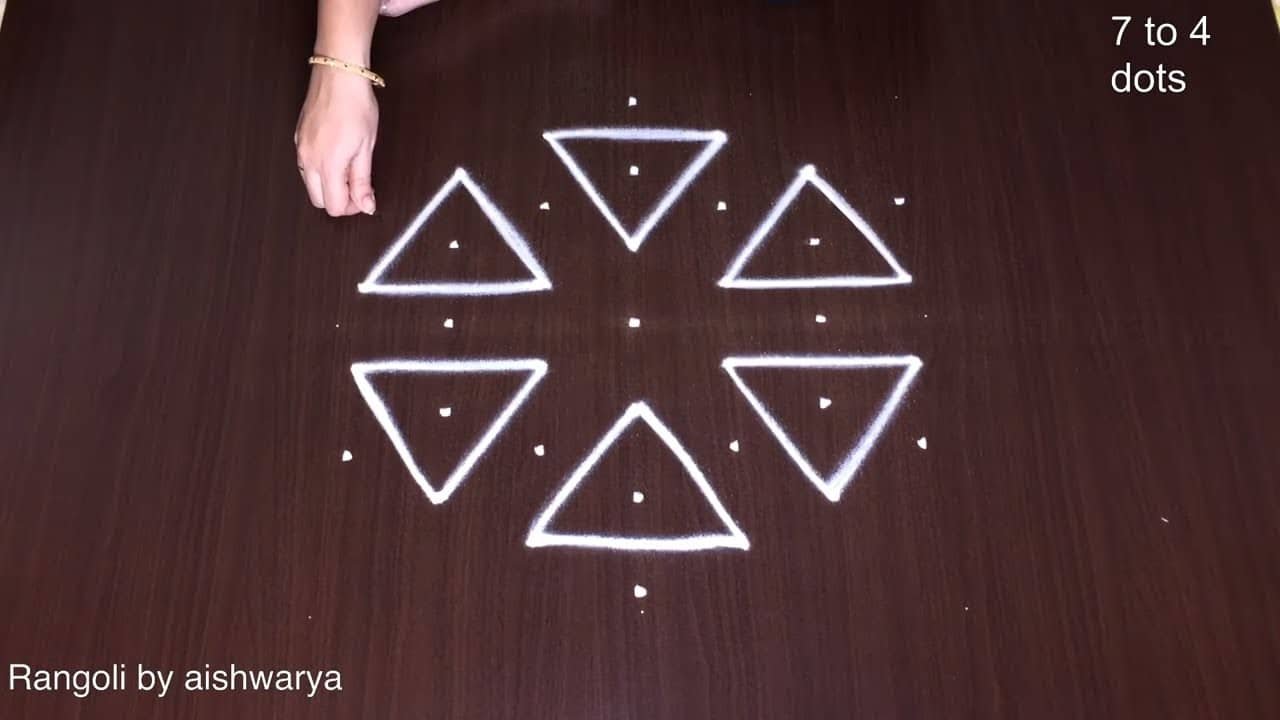
Triangle Kolam Designs 7-4 Middle Dots | Geometrical Shapes Rangoli Star Chukkala Muggulu. This tutorial will show you how to draw Beautiful Indian traditional art Diwali Rangoli patterns using materials such as dry rice flour, colored sand or flower petals Rangoli designs by Aishwarya. Simple rangoli Kutti Kolam pattern is created on the floor in living rooms or courtyards. Draw the Lines step by step as it is shown in this video and will be awesome Rangoli Design. 😲 The Diwali rangoli pattern here is one of the amazing latest kolam designs. Simple Rangoli Designs and easy rangoli designs by Aishwarya with dots for beginners and intermediate.

1. Diwali Rangoli 2. Pongal kolams 3. Easy rangoli designs

4. Rangoli design 5. Chukkala muggulu 6. Dot rangoli designs

7. Dots rangoli 8. Easy rangoli 9. Easy rangoli designs

10. Kolam designs 11. Kolam with dots 12. Muggulu designs

13. Muggulu designs with dots 14. Small rangoli designs 15. Muggulu chukkala muggulu

Tip: Use chalk to lightly mark your dot grid first — it wipes away cleanly once your rangoli is finished.

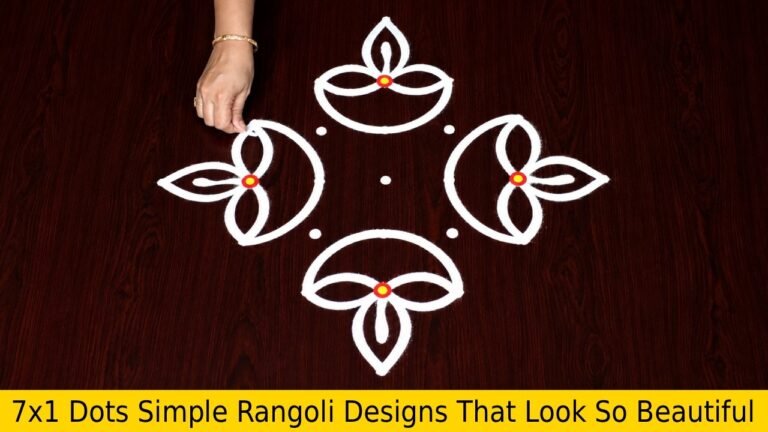
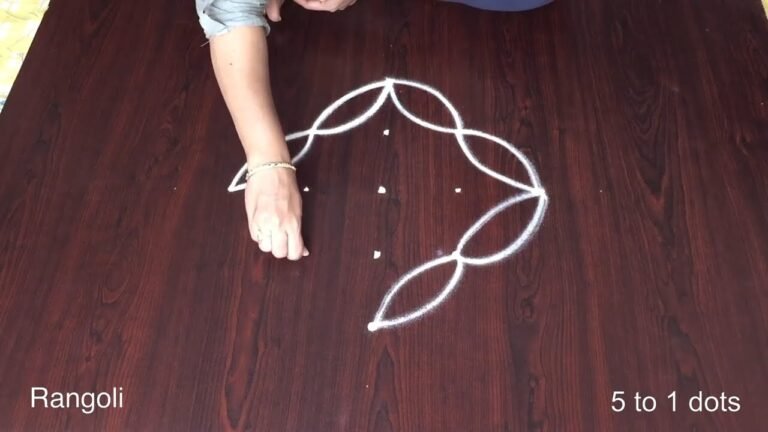
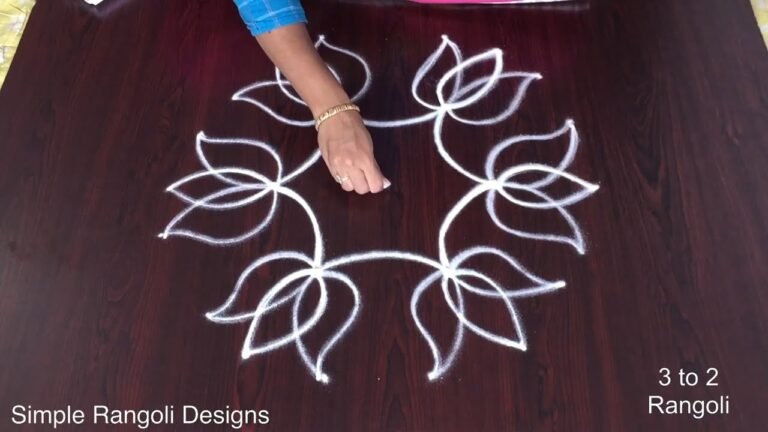
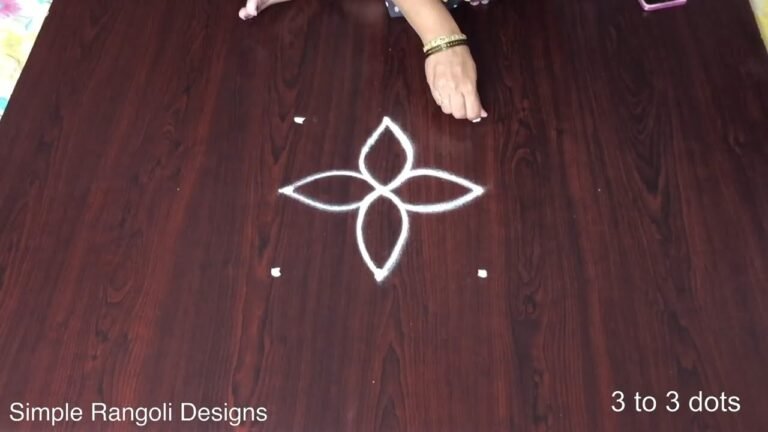
The Triangle Kolam Designs 7-4 is a delightful pattern that showcases the beauty of geometric shapes in traditional Indian art. Typically drawn during festivals such as Diwali, this design consists of seven dots in the first row and four dots in the subsequent rows, forming a captivating triangular arrangement. Beginners will find this design approachable, and it serves as an excellent introduction to the art of Rangoli. For those looking to expand their skills, you can also explore the intricacies of other dot patterns like the Rangoli How to Draw 7 to 7.

This kolam is not only visually appealing but also versatile, allowing for variations with colors and materials such as rice flour or colored sand. The simple yet elegant design can easily be adapted for various occasions, making it a favorite among enthusiasts. If you’re interested in similar designs, the Very Simple Butterfly Easy Chukkala Kolam offers another charming option for practice. Engaging with these designs not only enhances creativity but also connects you with the rich cultural heritage of kolam-making.

Triangle Kolam Designs 7-4 — Step by Step Guide

Here is how to draw it, line by line. Take your time on the corners and the symmetry will take care of itself.

  1. Clear a flat surface and set down your dot grid using rice flour or chalk.
  2. Confirm the dot spacing is even — uneven dots are the biggest cause of wobbly curves.
  3. Begin tracing from the centre outward, following the curves shown in the video above.
  4. Fill the petals and sections with your chosen colours, working one area at a time.
  5. Finish the edges with a fine line for a sharp, photograph-ready result.

What You Will Learn

  • Simple Rangoli Designs
  • Rangoli
  • Muggulu
  • Rangoli Designs
  • Rangoli Kolam
  • Kolam

Frequently Asked Questions

How do I draw this rangoli?

The grid comes first. Use a soft chalk to dot the surface, count twice to confirm the spacing, then start connecting them following the video. Work from the centre outward.

Is this suitable for beginners?

Yes — this design is shaped specifically with newcomers in mind. The dot grid is small enough to manage, and the curves are gentle. Most learners get it right by the second try.

What materials do I need?

You will need rice flour or rangoli powder (white, plus your choice of colours), a flat surface like a clean floor or courtyard, and optionally a dot stencil if you are new to grid-drawing.

How long does it take?

A 7 min 27 sec video shows the complete sequence. On paper or floor, expect to spend around a quarter of an hour from grid to finished pattern.

Practice this design a few times and you will find your own variations emerging. That is half the joy of kolam — every artist leaves a fingerprint on the pattern.

Leave a Reply

Your email address will not be published. Required fields are marked *