If you enjoy dot-grid muggulu, Vilakku Kolam Rangoli Designs is a satisfying pattern that comes together in just a few minutes.
For another beginner-friendly variation, try 5 To 5 Peacock Rangoli For Diwali.
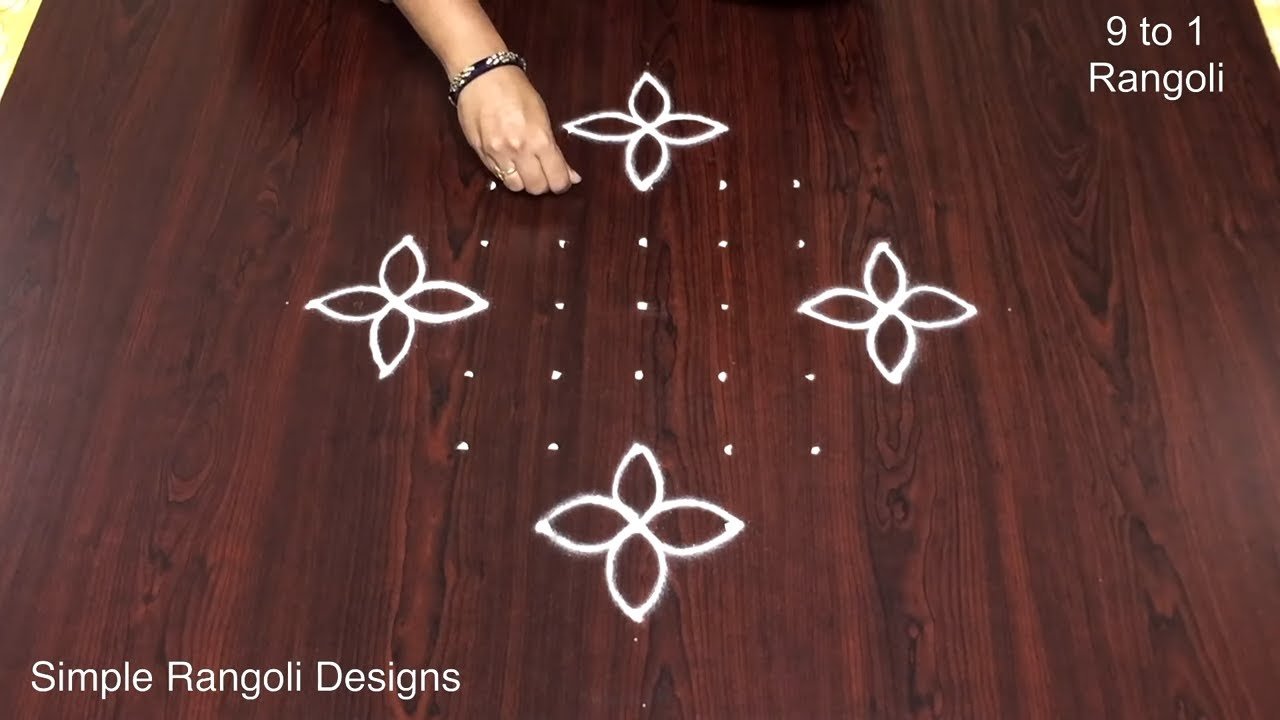
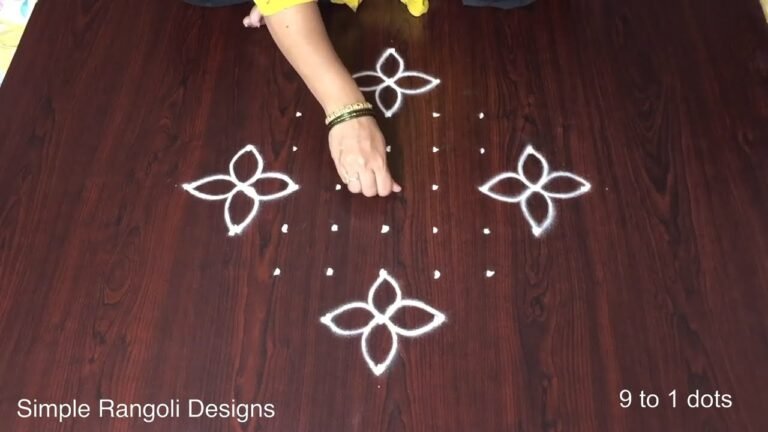
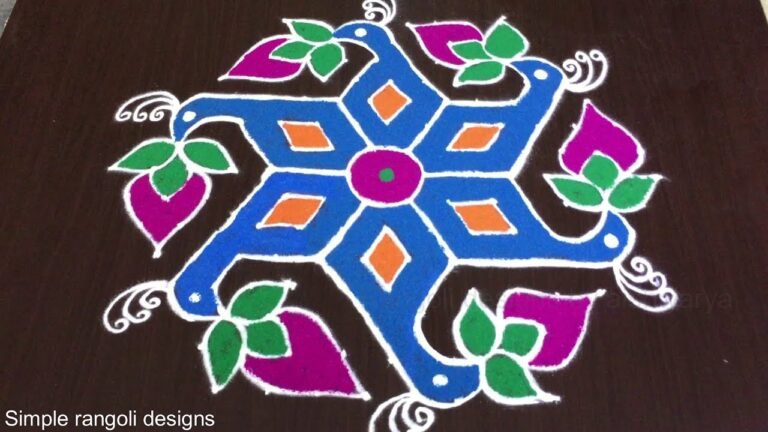
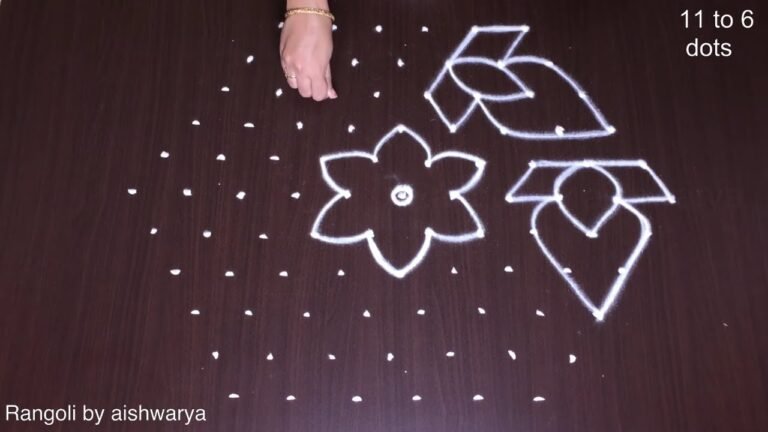
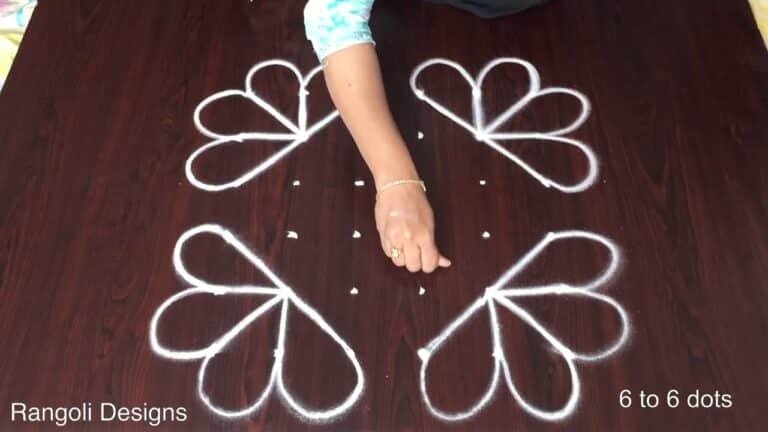
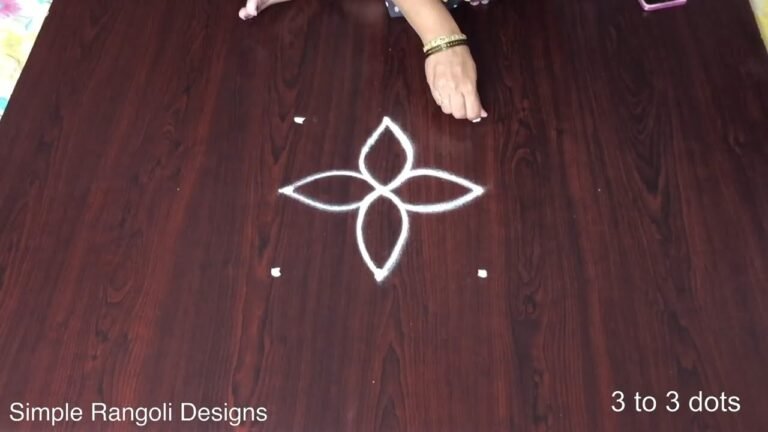
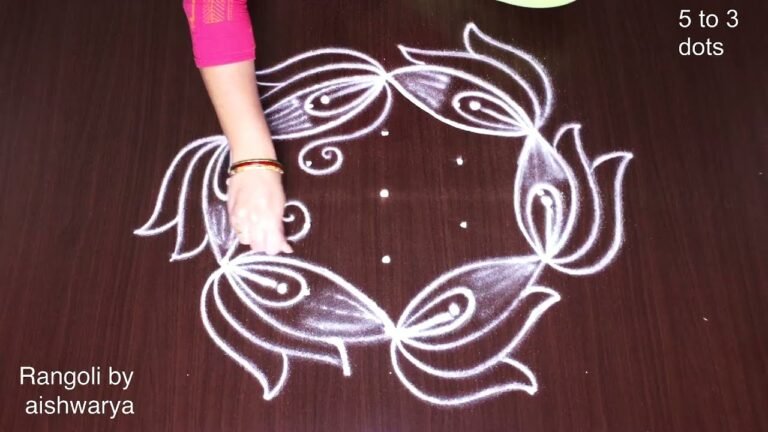
Vilakku Kolam Rangoli Designs | Beautiful Kolangal | Design Muggulu Easy. This tutorial will show you how to draw Beautiful Indian traditional art sankranthi muggulu patterns using materials such as dry rice flour, colored sand or flower petals Rangoli designs by Aishwarya. Simple rangoli designs with dots Kolam pattern is created on the floor in living rooms or courtyards. Draw the Lines step by step as it is shown in this video and will be awesome Rangoli Design. 😲 The rangoli design for diwali pattern here is one of the amazing latest simple kolam designs. Simple Rangoli Designs and easy rangoli designs by Aishwarya with dots for beginners and intermediate.
1. Diwali Rangoli 2. Pongal kolams 3. Easy rangoli designs
4. Rangoli design 5. Chukkala muggulu 6. Muggu designs
7. Rangoli for diwali 8. Rangoli Simple 9. Chukkala muggulu sankranthi
10. Kolam designs 11. Simple rangoli design 12. Muggulu designs
13. Navaratri pooja kolam 14. Puratasi madham kolam 15. Simple sankranthi muggulu
Tip: Keep your powder bowl close to your dominant hand. Small movements give cleaner curves.
Vilakku kolam rangoli designs, typically created with 9 to 1 dots, are an elegant representation of traditional Indian art, often showcased during festivals like Diwali and Pongal. These designs usually feature intricate patterns that symbolize light and prosperity, making them a perfect addition to your home during special occasions. The use of materials like rice flour or colored sand enhances the visual appeal, and beginners often find joy in creating these beautiful kolangal. For more inspiration, check out this 8×2 Beautiful Small Festival Muggulu.
Creating a vilakku kolam is not just about aesthetics but also about embracing cultural heritage. The process involves careful planning and execution, with each dot strategically placed to form stunning designs. Whether you prefer a simple or complex pattern, this art form offers a wonderful way to express creativity. You can also explore different styles, such as the 5 to 5 Peacock Rangoli for Diwali, to expand your repertoire. To learn more about the significance of rangoli in Indian culture, visit this Wikipedia page.
Vilakku Kolam Rangoli Designs — Step by Step Guide
Here is how to draw it, line by line. Take your time on the corners and the symmetry will take care of itself.
- Clear a flat surface and set down your dot grid using rice flour or chalk.
- Confirm the dot spacing is even — uneven dots are the biggest cause of wobbly curves.
- Begin tracing from the centre outward, following the curves shown in the video above.
- Fill the petals and sections with your chosen colours, working one area at a time.
- Finish the edges with a fine line for a sharp, photograph-ready result.
What You Will Learn
- Simple Rangoli Designs
- Rangoli
- Muggulu
- Rangoli Designs
- Rangoli Kolam
- Kolam
Frequently Asked Questions
How do I draw this rangoli?
Set down the dot grid in pencil or chalk, then follow the loops one petal at a time. If a curve goes off, wipe it and retry — kolam is forgiving.
Is this suitable for beginners?
Beginner-friendly is exactly the right description. The video walks through every line clearly and you can match the pace.
What materials do I need?
Rice flour, coloured rangoli powders, and a clean stretch of floor or paper. Some draw with chalk first to set the grid before powdering over it.
How long does it take?
The tutorial is 3 min 15 sec long. With practice the actual drawing settles around 10 minutes; the first time will likely take twice that.
This is one of those designs that grows on you. The first attempt is for learning; the second is for muscle memory; the third is when it starts to feel like your own.
Leave a Reply