Looking to learn 17 To 3 Dots? This step-by-step guide walks you through every line, dot, and curve.

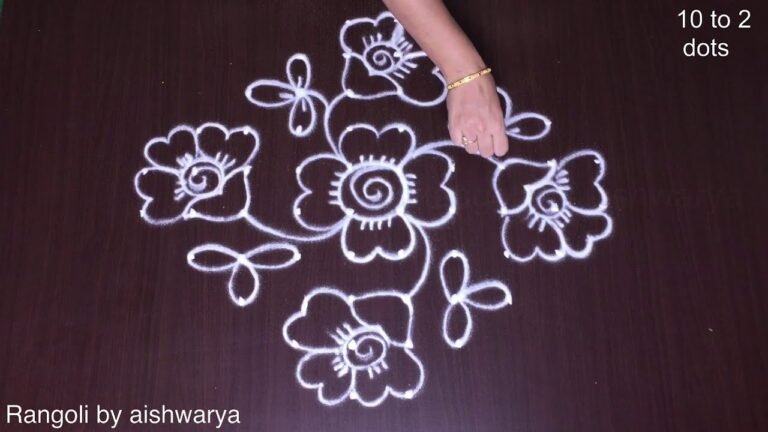
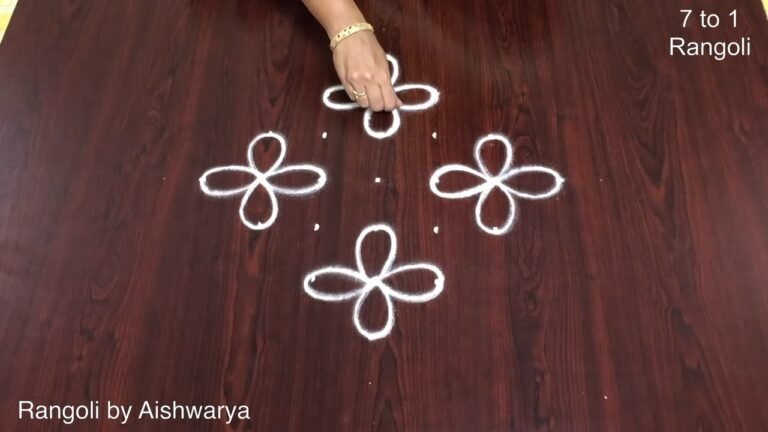
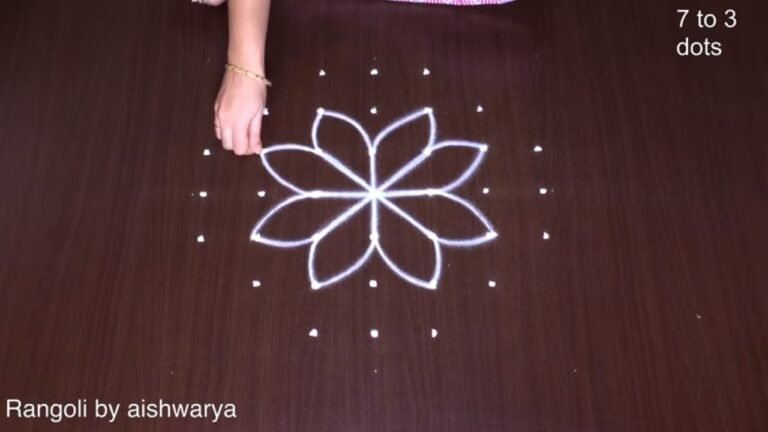
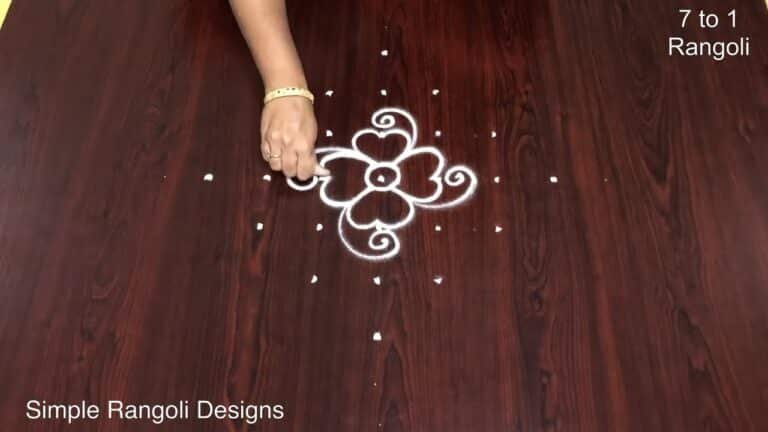
Pongal Paanai Rangoli Designs With 17 to 3 Dots Bhogi Kundalu Muggulu. This tutorial will show you how to draw Beautiful Indian traditional art sankranthi muggulu patterns using materials such as dry rice flour, colored sand or flower petals rangoli design by Aishwarya. Simple rangoli designs with dots Kolam pattern is created on the floor in living rooms or courtyards. Draw the Lines step by step as it is shown in this video and will be awesome alpona Design. 😲 The rangoli design for diwali pattern here is one of the amazing latest simple kolam designs. Simple Rangoli Designs and easy rangoli designs by Aishwarya with dots for beginners and intermediate.
1. Simple rangoli 2. Rangoli kolam 3. Rangoli for diwali
4. Simple rangoli design 5. Rangoli design for diwali 6. Alpona design
7. Kolam designs 8. Easy rangoli designs 9. Sankranthi muggulu
10. Muggulu designs 11. Simple kolam 12. Easy rangoli
13. Rangoli designs with dots 14. Chukkala muggulu 15. Pongal kolam
Tip: Work from the centre outward. It keeps the symmetry honest and prevents the design from drifting off-balance.
The 17 to 3 Dots Bhogi Kundalu Muggulu is a delightful design that beautifully captures the spirit of Sankranthi. This traditional rangoli pattern consists of 17 dots arranged in a specific formation, gradually tapering down to 3 dots. It serves as a wonderful way to celebrate the festival, symbolizing prosperity and new beginnings. For those interested in exploring similar styles, the Unique Pattern Rangoli Design 12-2 Dots and How to Draw 12×2 Deepam Rangoli Designs can provide inspiration and guidance.
Creating this muggulu design can be a fun and engaging activity for beginners. Using materials like rice flour or colored sand, you can easily replicate this pattern in your courtyard or living room. The geometric shapes and lines are ideal for honing your skills in traditional kolam art. To learn more about the rich culture and significance of rangoli, you can visit this informative page. Additionally, you might find the Very Easy Super Flower Poo Kolams Muggulu helpful for expanding your rangoli repertoire.
17 To 3 Dots — Step by Step Guide
Read through the steps before you begin so the sequence feels familiar when you start drawing.
- Clear a flat surface and set down your dot grid using rice flour or chalk.
- Confirm the dot spacing is even — uneven dots are the biggest cause of wobbly curves.
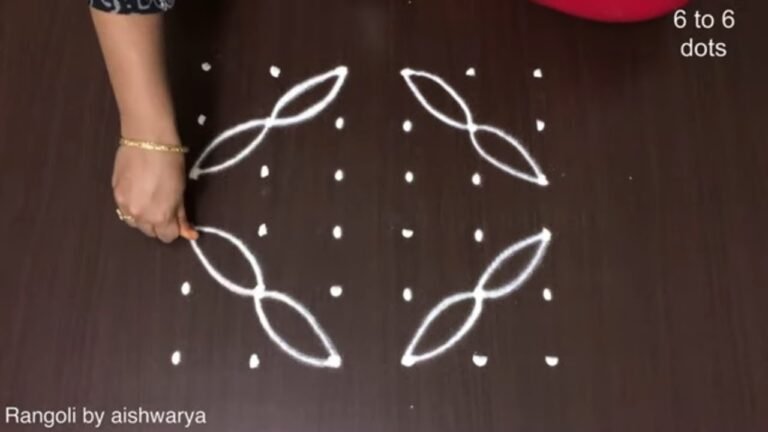
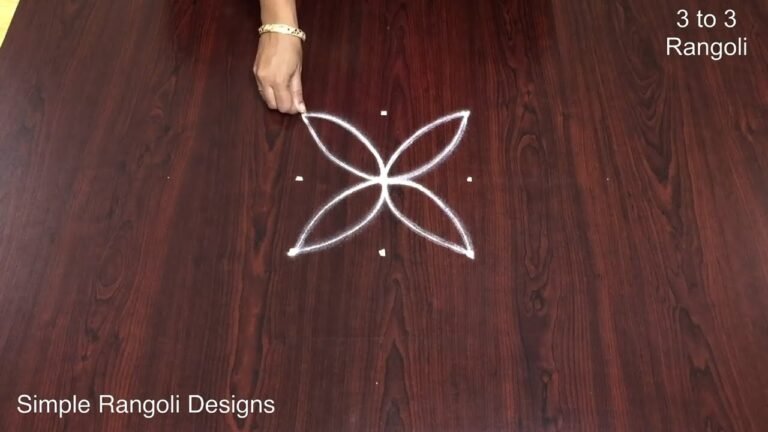
- Begin tracing from the centre outward, following the curves shown in the video above.
- Fill the petals and sections with your chosen colours, working one area at a time.
- Finish the edges with a fine line for a sharp, photograph-ready result.
What You Will Learn
- Simple Rangoli Designs
- Rangoli
- Muggulu
- Rangoli Designs
- Rangoli Kolam
- Kolam
Frequently Asked Questions
How do I draw this rangoli?
Start by marking an even dot grid on a flat, clean surface. Once the grid is in place, connect the dots following the curves shown in the video. Even spacing between dots is the single biggest factor for a clean finish.
Is this suitable for beginners?
Yes, and it is one we recommend to first-timers. The small grid keeps the design manageable while still teaching the core technique.
What materials do I need?
Just three things: powder (white plus any colours you want), a flat dry surface, and a few minutes of focus. A small bowl per colour helps keep things tidy.
How long does it take?
A 6 min 46 sec video shows the complete sequence. On paper or floor, expect to spend around a quarter of an hour from grid to finished pattern.
Half the skill of kolam is learning to slow down. Put on some music, give yourself the time, and let the curves come naturally.
Leave a Reply