Looking to learn Basic Line Kolams Designs? This step-by-step guide walks you through every line, dot, and curve.
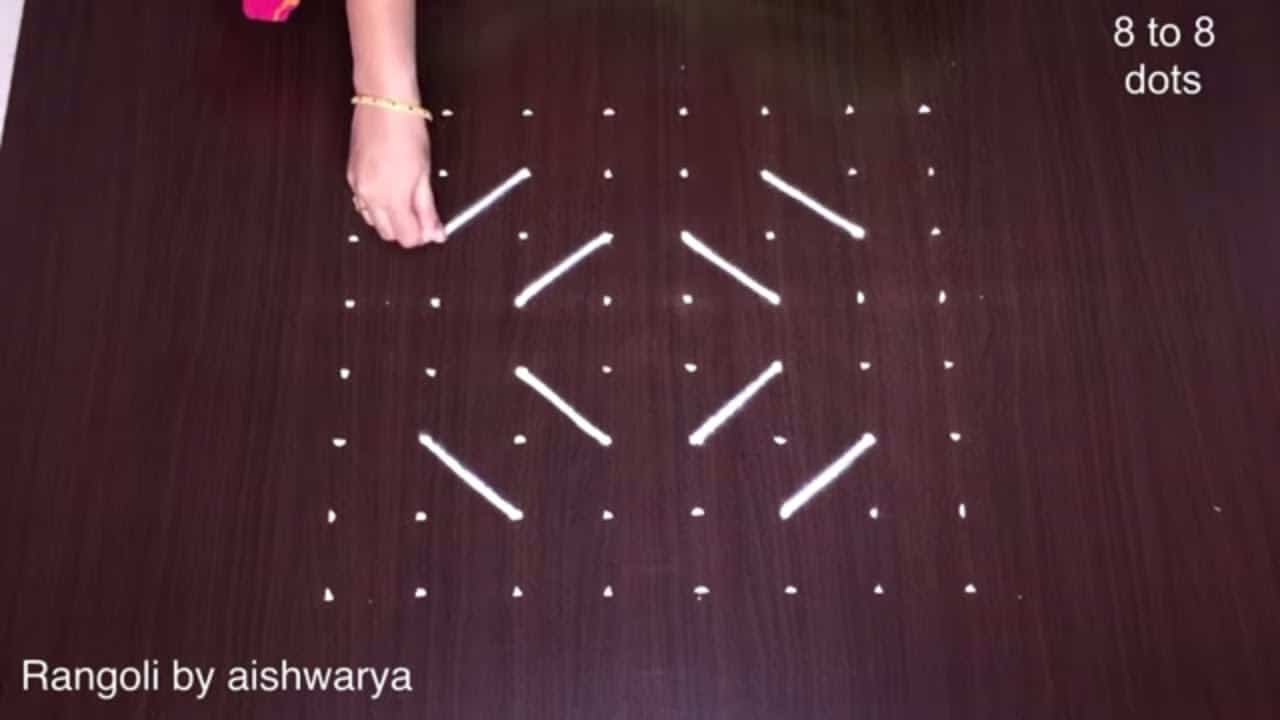
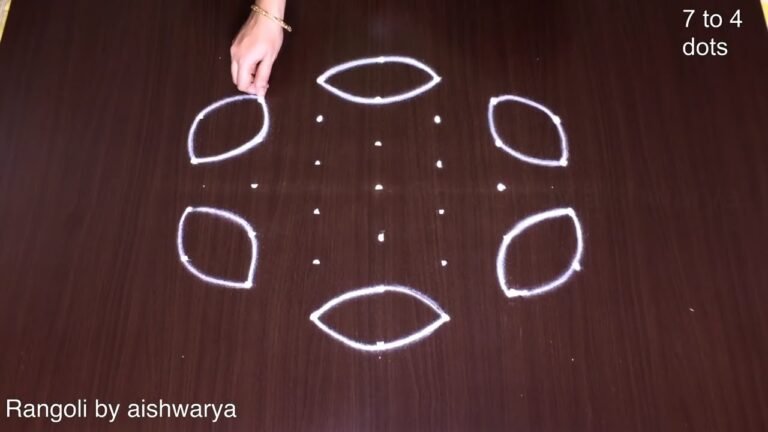
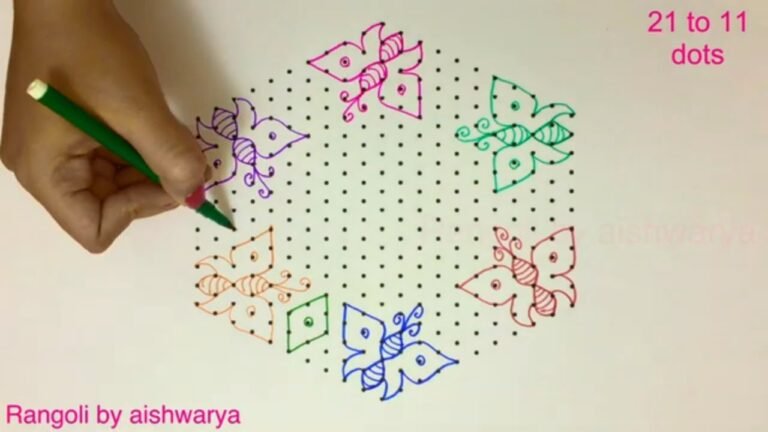
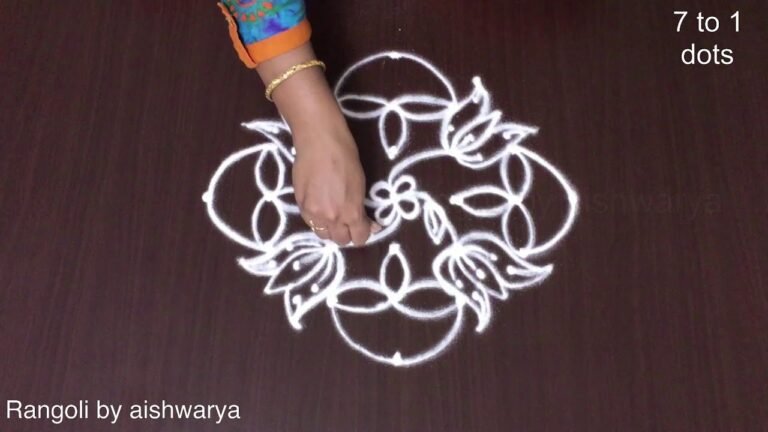
Basic Line Kolams Designs Bhogi Kundalu | Lotus Muggulu 8 by 8 Dots Diya Rangoli. This tutorial will show you how to draw Beautiful Indian traditional art Diwali Rangoli patterns using materials such as dry rice flour, colored sand or flower petals Rangoli designs by Aishwarya. Simple rangoli Kutti Kolam pattern is created on the floor in living rooms or courtyards. Draw the Lines step by step as it is shown in this video and will be awesome Rangoli Design. 😲 The Diwali rangoli pattern here is one of the amazing latest kolam designs. Simple Rangoli Designs and easy rangoli designs by Aishwarya with dots for beginners and intermediate.
1. Diwali Rangoli 2. Pongal kolams 3. Easy rangoli designs
4. Rangoli design 5. Chukkala muggulu 6. Dot rangoli designs
7. Dots rangoli 8. Easy rangoli 9. Easy rangoli designs
10. Kolam designs 11. Kolam with dots 12. Muggulu designs
13. Muggulu designs with dots 14. Small rangoli designs 15. Muggulu chukkala muggulu
Tip: Practice on paper first if you are new to dot kolam. The grid is the same; only the surface changes.
The Basic Line Kolams Designs, particularly those with an 8 by 8 dot arrangement, offer a delightful way to celebrate festivities such as Diwali and Pongal. These designs are characterized by their straightforward lines and symmetrical patterns, making them accessible for beginners. The process involves using rice flour or colored powders to create intricate outlines, which can be filled in with vibrant colors later. For more inspiration, you might explore Sankranthi Special Bhogi Kundala Muggulu or 8-8 Dots Simple Rangoli Designs that showcase the beauty of similar dot patterns.
Creating these kolams not only enhances the festive spirit but also serves as a medium for artistic expression. The 8 by 8 dot design can be modified to incorporate various motifs like flowers and geometric shapes, allowing for personal touches. As you practice these basic line kolams, you’ll find joy in the repetitive motions and the vibrant end results. For those eager to learn more about the art of rangoli, an excellent resource can be found on Wikipedia, which offers a comprehensive overview of its history and variations.
Basic Line Kolams Designs — Step by Step Guide
Use the steps below as a reference card while the video plays. Most learners finish on the second attempt.
- Clear a flat surface and set down your dot grid using rice flour or chalk.
- Confirm the dot spacing is even — uneven dots are the biggest cause of wobbly curves.
- Begin tracing from the centre outward, following the curves shown in the video above.
- Fill the petals and sections with your chosen colours, working one area at a time.
- Finish the edges with a fine line for a sharp, photograph-ready result.
What You Will Learn
- Simple Rangoli Designs
- Rangoli
- Muggulu
- Rangoli Designs
- Rangoli Kolam
- Kolam
Frequently Asked Questions
How do I draw this rangoli?
Set down the dot grid in pencil or chalk, then follow the loops one petal at a time. If a curve goes off, wipe it and retry — kolam is forgiving.
Is this suitable for beginners?
Yes — this design is shaped specifically with newcomers in mind. The dot grid is small enough to manage, and the curves are gentle. Most learners get it right by the second try.
What materials do I need?
Just three things: powder (white plus any colours you want), a flat dry surface, and a few minutes of focus. A small bowl per colour helps keep things tidy.
How long does it take?
The video runs 7 min 20 sec. In practice, most learners take between 10 and 20 minutes — a little longer the first time, faster as the pattern becomes familiar.
A reminder that beautiful art does not need expensive materials — just a steady hand, a clean surface, and a few pinches of rice flour.
Leave a Reply