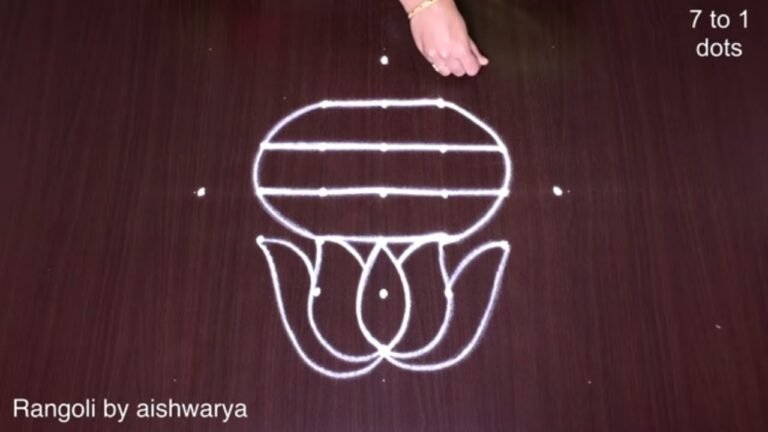
If you enjoy dot-grid muggulu, Sankranthi Simple Muggulu 11 is a satisfying pattern that comes together in just a few minutes.
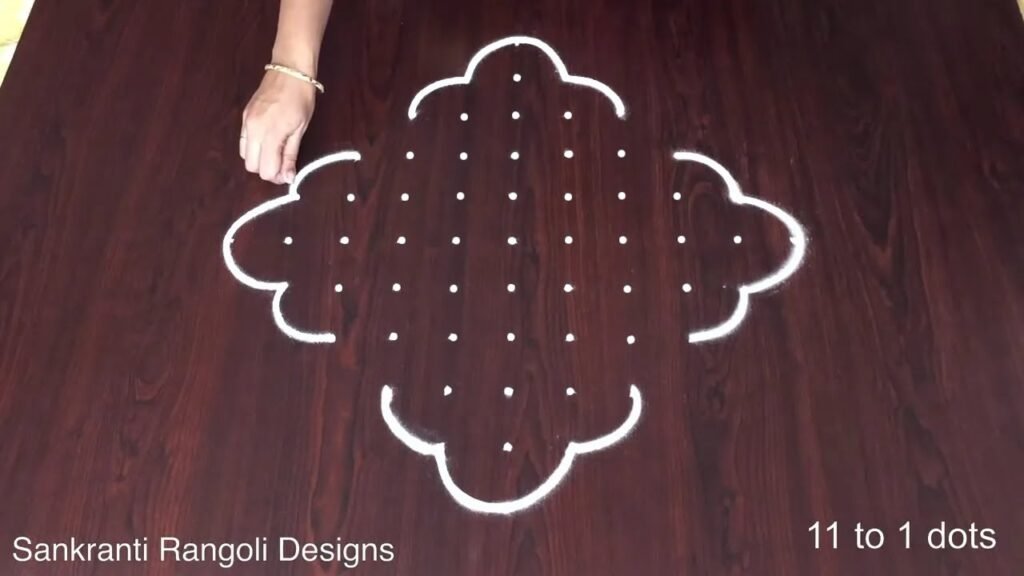
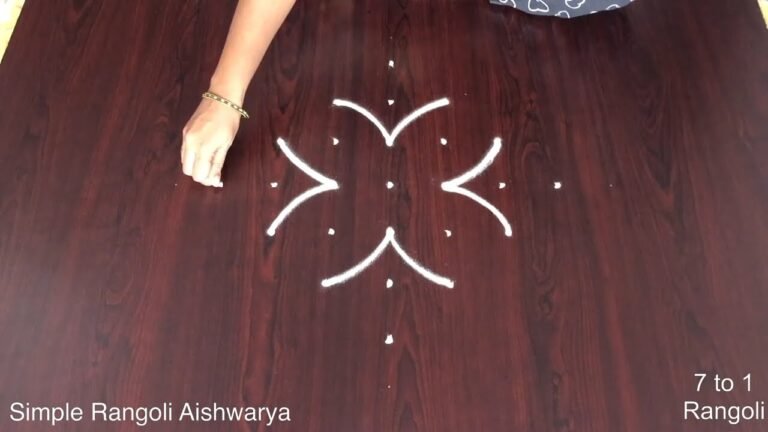
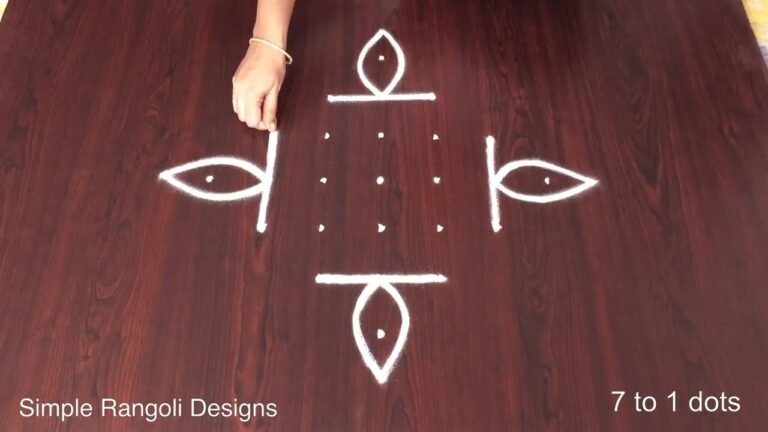
This tutorial will show you how to draw Sankranthi Simple Muggulu patterns using materials such as dry rice flour, colored sand or flower petals Rangoli designs by Aishwarya. Simple rangoli Pulli Kolam pattern is created on the floor in living rooms or courtyards. Draw the Lines step by step as it is shown in this video and will be awesome Rangoli Design. 😲 The 11 to 1 dots rangoli pattern here is one of the amazing latest kolam designs. Simple Rangoli Designs and Pongal Kolam New Design by Aishwarya with dots for beginners and intermediate.
1. Sankranthi Rangoli Designs 2. Pongal Kolam 2025 3. Sankranti Rangoli Designs
4. Pongal Kolam Rangoli 5. New Year Special Rangoli 6. Pongal Kolam
7. Radham Muggulu 8. Sankranthi Special Rangoli 9. Bhogi Muggulu
10. Pongal Kolam With Dots 11. Sankranthi Muggulu 12. Thipkyanchi Rangoli Designs
13. Mattu Pongal Kolam 14. Sankranthi Muggulu 2025 15. ठिपक्यांची रांगोळी
Tip: A slightly damp brush along the edges gives a sharper finish, especially for festival photographs.
The Sankranthi Simple Muggulu, designed with 11 to 1 dots, beautifully captures the essence of the harvest festival. This design is perfect for beginners, as it offers a straightforward yet elegant pattern that can be easily replicated in courtyards or living rooms. The use of materials like rice flour or colored sand adds vibrancy, making it a lovely addition to your festive decorations. If you’re looking for more inspiration, check out these Lotus Flowers Rangoli Designs for Sankranti for a colorful twist.
This muggulu design not only enhances the festive spirit but also serves as a way to invite prosperity and good luck into your home. The simplicity of the 11 to 1 dot arrangement makes it accessible for all skill levels, encouraging everyone to participate in the joyful creation of rangoli art. For those who want to explore more floral patterns, the Basic Daily Flower Rangoli can provide additional creative ideas. To learn more about the cultural significance of rangoli, you can visit this page.
About this design: Sankranthi Simple Muggulu 11 is a beginner-friendly pattern that comes together in just a few minutes. Once you have practised the sankranthi simple muggulu 11 dot grid, you can scale it up for festival mornings or scale it down for a daily doorstep. Many learners on our channel make this sankranthi simple muggulu 11 their go-to design once they get the rhythm of the curves.
Sankranthi Simple Muggulu 11 — Step by Step Guide
Use the steps below as a reference card while the video plays. Most learners finish on the second attempt.
- Clear a flat surface and set down your dot grid using rice flour or chalk.
- Confirm the dot spacing is even — uneven dots are the biggest cause of wobbly curves.
- Begin tracing from the centre outward, following the curves shown in the video above.
- Fill the petals and sections with your chosen colours, working one area at a time.
- Finish the edges with a fine line for a sharp, photograph-ready result.
What You Will Learn
- Simple Rangoli Designs
- Rangoli
- Muggulu
- Rangoli Designs
- Rangoli Kolam
- Kolam
Frequently Asked Questions
How do I draw this rangoli?
Begin with the dot grid — this is the skeleton of the design. With rice flour or chalk, place each dot at equal intervals. Then trace the curves slowly, one section at a time.
Is this suitable for beginners?
Absolutely. You can pause and rewind the video at every step. The pattern is straightforward once you have the grid down.
What materials do I need?
White rice flour for the outline, coloured powders for the fill, and a clean dry floor. That is the essentials list — you can add a stencil if you prefer.
How long does it take?
Roughly 2 min 38 sec to watch end-to-end, and 10–20 minutes to draw yourself depending on grid size and how careful you are with the curves.
Once this design feels familiar, switch the colours or rotate the grid by a step. Small tweaks keep daily kolam practice interesting.
Leave a Reply