Add a touch of charm to your doorway with Manchi Deepala Muggulu 8X2X2 — clean lines, balanced symmetry, and easy to scale.
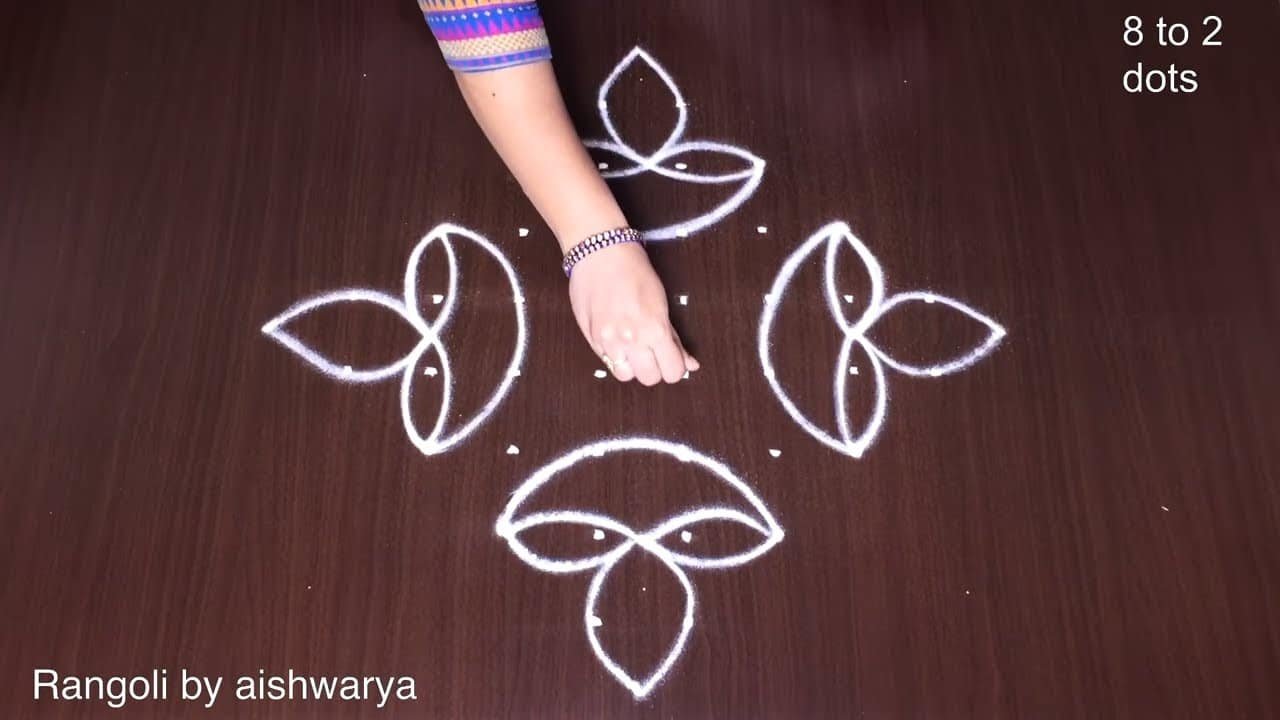
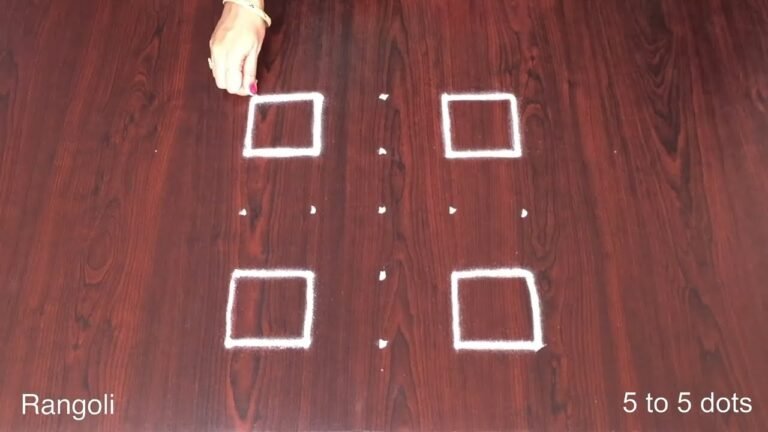
Manchi Deepala Muggulu | 8x2x2 Dots Simple Kolam for Deepawali | Rangoli Design for Pooja Room. This tutorial will show you how to draw Beautiful Indian traditional art Diwali Rangoli patterns using materials such as dry rice flour, colored sand or flower petals Rangoli designs by Aishwarya. Simple rangoli Kutti Kolam pattern is created on the floor in living rooms or courtyards. Draw the Lines step by step as it is shown in this video and will be awesome Rangoli Design. 😲 The Diwali rangoli pattern here is one of the amazing latest flower kolangal designs. Simple Rangoli Designs and easy rangoli designs by Aishwarya with dots for beginners and intermediate.
1. Diwali Rangoli 2. Pongal kolams 3. Pongal rangoli designs
4. Sankranthi designs 5. Easy rangoli for sankranthi 6. Pongal designs
7. Latest rangoli for sankranthi 8. Marzaghi kolams 9. Best kolangal
10. Easy rangoli designs 11. Rangoli Designs for Bhaubeej 12. Thipkyanchi Rangoli Designs
13. Simple Karthigai Kolam 14. Karthika Masam Chukkala Muggulu 15. Tulasi Kota Muggulu
Tip: Practice on paper first if you are new to dot kolam. The grid is the same; only the surface changes.
The Manchi Deepala Muggulu, designed with an 8x2x2 dot grid, is a beautiful representation of traditional Indian art, especially popular during the festival of Diwali. This simple yet elegant kolam can often be seen enhancing the entrance of homes, welcoming guests with its intricate patterns. The design is not only visually appealing but also serves as a wonderful way to invoke positive energy during auspicious occasions. For those who enjoy flower motifs, the Lotus Flowers Rangoli Designs for Sankranti can be an excellent source of inspiration to incorporate natural elements into your Rangoli.
Creating the Manchi Deepala Muggulu involves a series of steps that are easy to follow, making it a great choice for beginners. The design can be crafted using rice flour, colored sand, or even flower petals, allowing for a personal touch that reflects individual creativity. For more ideas on simple yet attractive designs, you might explore Attractive Simple Kolam Design. To learn more about the rich history and significance of Rangoli in Indian culture, you can visit this informative page.
About this design: Manchi Deepala Muggulu 8X2X2 is a beginner-friendly pattern that comes together in just a few minutes. Once you have practised the manchi deepala muggulu 8x2x2 dot grid, you can scale it up for festival mornings or scale it down for a daily doorstep. Many learners on our channel make this manchi deepala muggulu 8x2x2 their go-to design once they get the rhythm of the curves.
Manchi Deepala Muggulu 8X2X2 — Step by Step Guide
Pace yourself through the steps — kolam rewards patience more than speed.
- Clear a flat surface and set down your dot grid using rice flour or chalk.
- Confirm the dot spacing is even — uneven dots are the biggest cause of wobbly curves.
- Begin tracing from the centre outward, following the curves shown in the video above.
- Fill the petals and sections with your chosen colours, working one area at a time.
- Finish the edges with a fine line for a sharp, photograph-ready result.
What You Will Learn
- Simple Rangoli Designs
- Rangoli
- Muggulu
- Rangoli Designs
- Rangoli Kolam
- Kolam
Frequently Asked Questions
How do I draw this rangoli?
It looks complex but follows a simple rhythm: dots first, then loops. Mark the grid, take a breath, and trace the curves at a steady pace. The pattern emerges on its own.
Is this suitable for beginners?
Absolutely. You can pause and rewind the video at every step. The pattern is straightforward once you have the grid down.
What materials do I need?
Just three things: powder (white plus any colours you want), a flat dry surface, and a few minutes of focus. A small bowl per colour helps keep things tidy.
How long does it take?
The full demonstration takes 4 min 17 sec. Most people find their own drawing time settles to about 15 minutes once the grid is familiar.
Half the skill of kolam is learning to slow down. Put on some music, give yourself the time, and let the curves come naturally.


Leave a Reply